Leave a Message

By providing your contact information to Claire Speedie, your personal information will be processed in accordance with Claire Speedie's Privacy Policy. By checking the box(es) below, you consent to receive communications regarding your real estate inquiries and related marketing and promotional updates in the manner selected by you. For SMS text messages, message frequency varies. Message and data rates may apply. You may opt out of receiving further communications from Claire Speedie at any time. To opt out of receiving SMS text messages, reply STOP to unsubscribe.

Thank you for your message. We will be in touch with you shortly.

When To List in Deer Park: Timing and Strategy

When To List in Deer Park: Timing and Strategy

Wondering if spring is still king for Deer Park sellers? You are not alone. Timing your listing can shape how fast you sell, how many offers you receive, and how smooth your move feels. In this guide, you will learn when buyer activity peaks in Deer Park, how interest rates and inventory change the plan, and the steps that set you up for a strong sale. Let’s dive in.

Deer Park market at a glance

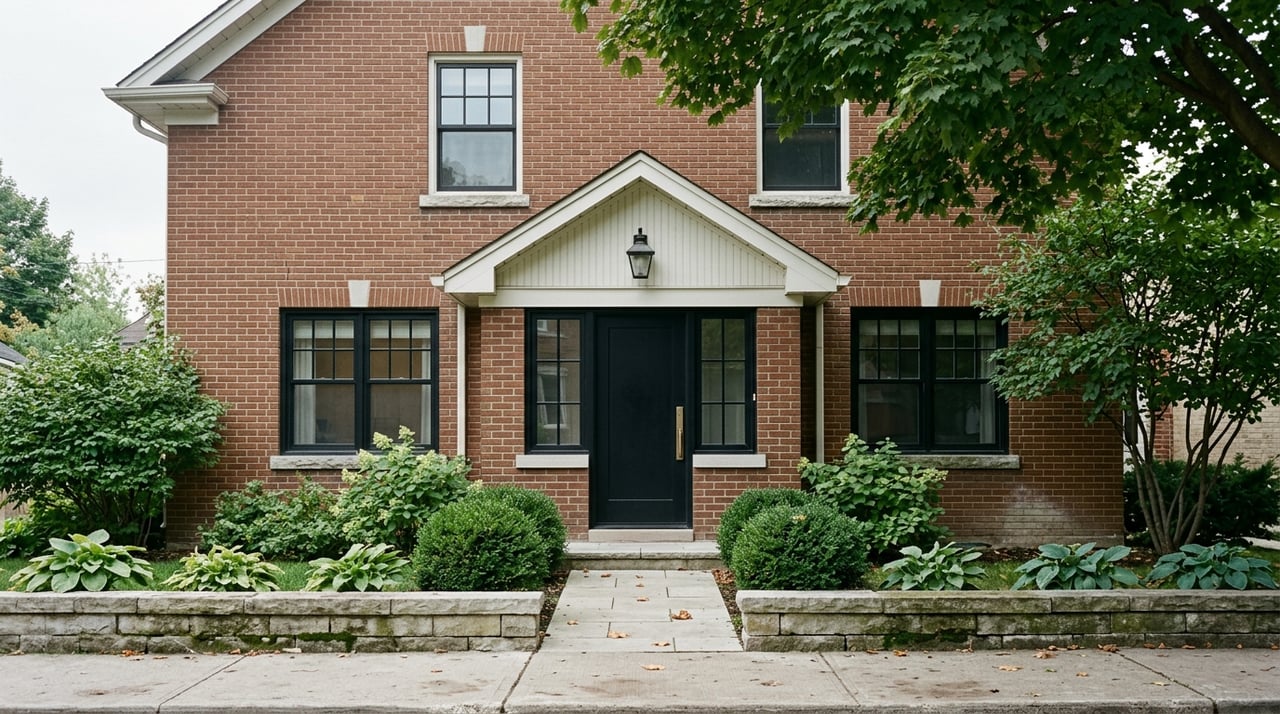
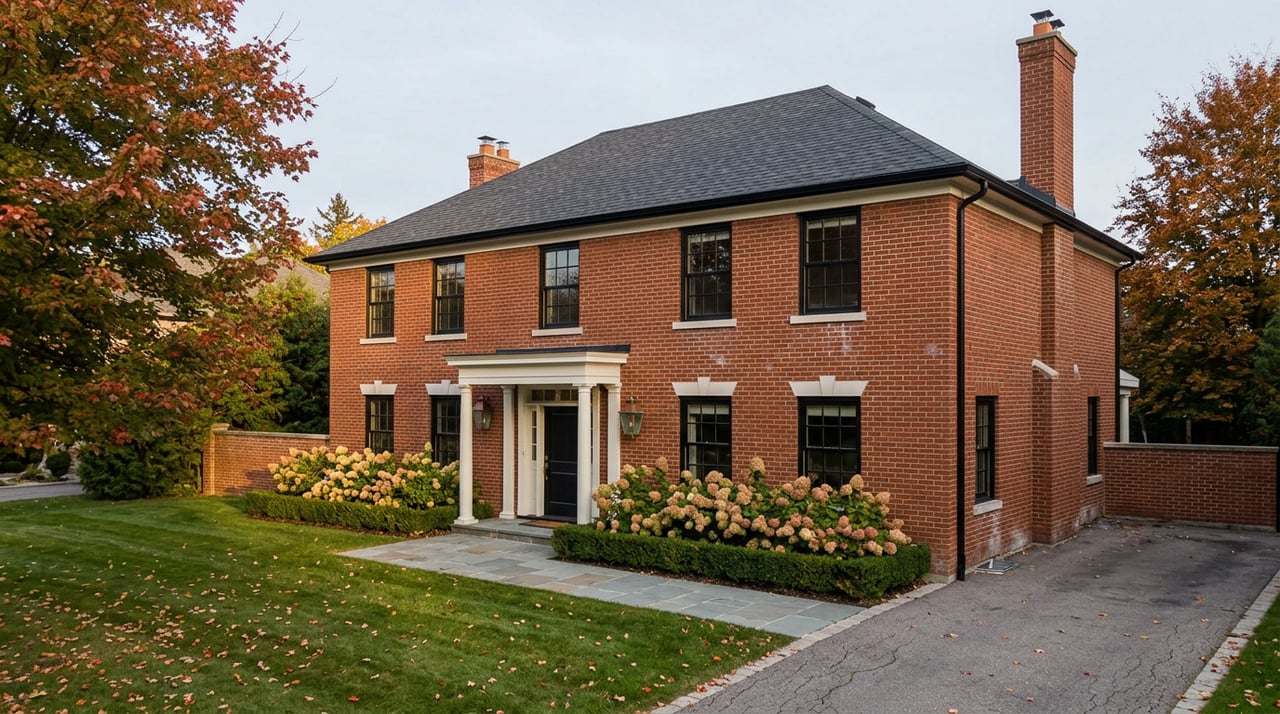
Deer Park sits around Yonge Street and St. Clair Avenue in midtown Toronto. Tree-lined streets, classic early 20th century homes, and a mix of detached, semi-detached, and townhomes give the area lasting appeal. You are close to transit, shops, parks, and midtown jobs, which attracts families, professionals, and downsizers throughout the year.

Inventory trends lean toward established lots with renovations and infill in the mix. Buyers often include local upgraders, commuters heading downtown, and investors who see potential in lot size and location. Scarcity of new greenfield supply in central Toronto supports ongoing demand.

Best times to list

Spring listing window

Spring, from March to May, is traditionally the most active period in Toronto. More buyers are out, and more homes hit the market. In Deer Park, this window often aligns with families planning moves around the school calendar. If the weather cooperates, curb appeal and daylight give your home an extra lift.

Early fall momentum

September and October bring a second strong window. Buyers who paused over summer re-engage once routines normalize. Families with school plans set may still be in the market if they missed spring or want to close later in the year.

Summer and winter opportunities

Summer showings can slow as people travel, yet low inventory can make motivated buyers stand out. Winter is quieter overall, but serious buyers shop year-round and there is often less competition. If your home shows well and is priced right, you can still achieve excellent results any month.

How rates and inventory shape timing

Interest rates affect what buyers can afford and how quickly homes sell. Rising mortgage costs can stretch days on market. When rates ease, the buyer pool can widen and competition can increase. Inventory matters too. Low months of inventory and strong list-to-sale price ratios can favor sellers at any time of year. In a high-inventory market, picking the right week and a smart pricing strategy becomes more critical.

Policy announcements can shift urgency. Changes to mortgage rules or taxes sometimes push buyers to act sooner or pause. Local supply also plays a role. A wave of nearby completions or renovations may expand choices for buyers or raise expectations for finishes and features.

Local calendar to watch

  • School year timing. Many families prefer to move between school years. Listing in late winter or early spring can capture this demand. Early summer can also work if your ideal buyer wants to close before fall.
  • Weather and curb appeal. Spring flowers and longer days make a strong first impression. Deep winter can introduce showing friction, so plan for clear walkways and bright, warm interiors.
  • Transit and construction. Large construction projects or transit disruptions near Yonge and St. Clair can affect showing patterns. Check municipal notices so you can set expectations and schedule open houses around major impacts.

Pricing strategies that work

Choosing the right pricing approach is one of your most important decisions. The best strategy depends on current inventory, buyer demand, and your timeline.

  • Market-value pricing. Price close to the expected sale price to attract qualified buyers and avoid downward price changes. This works well in balanced or seller-leaning conditions.
  • Slightly under market to spark competition. In a low-inventory environment, a modest under-list can draw multiple offers. The risk is that you might not reach your target if the buyer pool is thinner than expected.
  • Overpricing to test. Listing high can lead to longer days on market and a stale impression. It can be used only with a clear repositioning plan and a quick pivot if activity lags.
  • Price bands and thresholds. Be mindful of search cutoffs such as 1.5 million versus 1.6 million. Small changes can affect which buyers even see your home online or can finance it.

Preparation timeline and checklist

Strong results start well before your first showing. Use this plan as a guide and adjust to market speed.

6 to 12 weeks before listing

  • Select a local agent with Deer Park experience and request a comparative market analysis for the last 6 to 12 weeks of sales.
  • Book any necessary repairs or permit work and confirm contractor timelines.
  • Consider a pre-list inspection and collect renovation records and permits.

3 to 6 weeks before listing

  • Deep clean, declutter, and stage key rooms. Focus on paint, lighting, and minor fixes.
  • Schedule professional photography and video. Add accurate floor plans.
  • Gather utility bills, tax bills, surveys, and warranties to simplify buyer review.

1 to 2 weeks before listing

  • Finalize staging and complete photos and video.
  • Confirm the marketing schedule and open house dates with your agent.
  • Decide on your pricing strategy and your minimum acceptable terms.

Listing week

  • Launch on MLS and activate digital, print, and agent-to-agent outreach.
  • Host agent previews and a strategic weekend open house if appropriate.
  • Track showings and feedback. If activity is weak, review price, photos, and staging quickly.

Marketing that reaches real buyers

Midtown buyers expect polished presentation. Professional photography, video, and floor plans increase click-through rates and in-person showings. Combined with targeted digital ads, social media, and direct outreach to local agents, your listing can reach the right audience fast.

Open houses still matter for detached and semi-detached homes. Many sellers choose a mid-week launch, often Wednesday or Thursday, to build momentum into the weekend. Others list earlier in the week if their offer plan calls for it. Align your marketing push with your pricing strategy and offer timeline.

Offer strategy and negotiation

Expect a mix of firm and conditional offers, depending on the market. Financing and inspection clauses are common. In multiple-offer scenarios, agree in advance on the process, whether that is a set offer date or a live negotiation. Clarify preferred closing dates and possession timing so you can coordinate your next move with less stress.

Consider how to manage concessions. A pre-list inspection report and clear documentation of work completed can give buyers confidence and support a cleaner offer. If a major repair is needed and time is tight, pricing in a credit can be more efficient than partial work.

Metrics to watch and questions to ask

Ask your agent for timely, hyperlocal data so your decisions match the current market.

  • Average days on market for your property type and price band
  • Months of inventory or absorption rate in Deer Park
  • List-to-sale price ratio and recent 3-month and 12-month sale trends
  • New listings versus active listings to spot direction
  • Price per square foot and nearby sold comparables
  • Count of conditional versus firm sales in recent weeks
  • Typical offer terms and concessions

Questions to ask your agent:

  • How many comparable properties sold in the last 60 to 90 days and at what prices?
  • What is the marketing plan and budget to reach likely Deer Park buyers?
  • Which pricing strategy gives me the best chance at my target net proceeds?
  • What commission structures are typical here and what services are included?
  • Are there any upcoming developments or municipal projects that could affect demand?
  • What offer timeline do you recommend and why?

Is now your right time?

There is no single perfect month for every Deer Park home. Spring and early fall bring broad activity. Summer and winter can deliver focused, motivated buyers with less competition. Your best result comes from matching your timing to current rates and inventory, choosing a pricing strategy that fits, and presenting your home with care.

If you are weighing a sale, a clear plan can remove the guesswork. A data-driven market read, thoughtful prep, and premium marketing set you up to sell with confidence.

Ready to start? Connect with Claire Speedie to request a personalized home valuation and a tailored Deer Park listing strategy.

FAQs

Is spring always best for selling a Deer Park home?

  • Spring is often the busiest season, but the best time depends on current inventory, interest rates, and your move timeline. Low-inventory periods can be attractive in any season.

Does listing in winter in Deer Park mean a lower price?

  • Not always. Winter brings fewer casual showings but also less competition. A well-presented, well-priced home can still achieve strong outcomes.

Should I renovate before selling my Deer Park house?

  • Focus on repairs and cost-effective updates such as paint, lighting, and minor kitchen or bath refreshes. Evaluate major renovations against expected return and your timeline.

How long does it take to sell a detached home in Deer Park?

  • It depends on pricing, condition, and current market dynamics. Ask your agent for recent days on market and absorption rates for your specific property type.

What day of the week should I list my Deer Park property?

  • Many sellers go live mid-week to build momentum into weekend showings. Your exact day should align with your marketing plan and offer strategy.

What closing costs should I expect as a Toronto seller?

  • Plan for commission, legal fees, potential mortgage discharge costs, and any prep expenses such as staging or inspections. Ask your accountant about tax implications for your situation.

YOUR DREAM HOME IS JUST AROUND THE CORNER

Claire has a keen interest in investment properties and looks forward to continuing to help her clients build their real estate investment portfolios.