What It Is Like To Live In Summerhill Toronto
What does a day in Summerhill actually feel like? Picture an early coffee, a quiet walk along the ravine, and errands you can finish on foot before lunch. If you’re weighing a move, you want to know how the streets, homes, parks, and transit will fit your routine. This guide walks you through a typical day, plus housing, walkability, and practical pros and cons so you can decide with confidence. Let’s dive in.
Your morning starts with a short stroll to a café on Yonge Street or nearby St. Clair. Many residents lace up for an easy jog or dog walk on the Beltline Trail, a leafy rail-to-trail that winds through midtown and connects to other green spaces. If you prefer wooded paths, David A. Balfour Park offers ravine views and a peaceful start to the day.
School drop-off is often done on foot. Streets are generally residential and tree-lined, which makes short local trips easy. If you commute, the subway is close at hand, and you can choose Summerhill, St. Clair, or Davisville station depending on your exact address.
By lunchtime, you can run most errands without getting in the car. Specialty grocers, coffee shops, salons, and pharmacies cluster along Yonge and St. Clair. If you work nearby, meeting a colleague is simple. If you work downtown or across the city, the TTC network connects you quickly with Line 1 and bus routes on key corridors.
Remote or hybrid schedule? Summerhill’s mix of quiet streets and nearby services makes it easy to break for a mid-morning walk or grab a sandwich before your next call. It’s a neighbourhood that supports a balanced day: focused when you need it, connected when you want it.
After school, you have options. The ravine system and the Beltline give kids a chance to explore nature and stretch their legs. Local parks and nearby community facilities host activities and sports, while low-rise shops make it easy to pick up groceries or drop by the pharmacy.
If you have outdoor space at home, you’ll likely use it in the warmer months for playdates or relaxed dinners. If not, public green spaces fill that role, with a mix of trails, playgrounds, and open areas a short walk away.
For dinner, you’ll find small restaurants and neighbourhood bistros along Yonge and St. Clair. When you want a wider range of options, many residents head slightly south toward Bloor Street or north toward Yonge and Eglinton. On warm evenings, patios near the retail strip are active, while residential streets tend to stay calm.
Weekends often revolve around longer walks or bike rides on the Beltline, brunch with friends, and errands you can finish in a single trip. Some households host more at home, thanks to larger interior spaces common in central detached homes. Others split time between the backyard and the ravine trails.
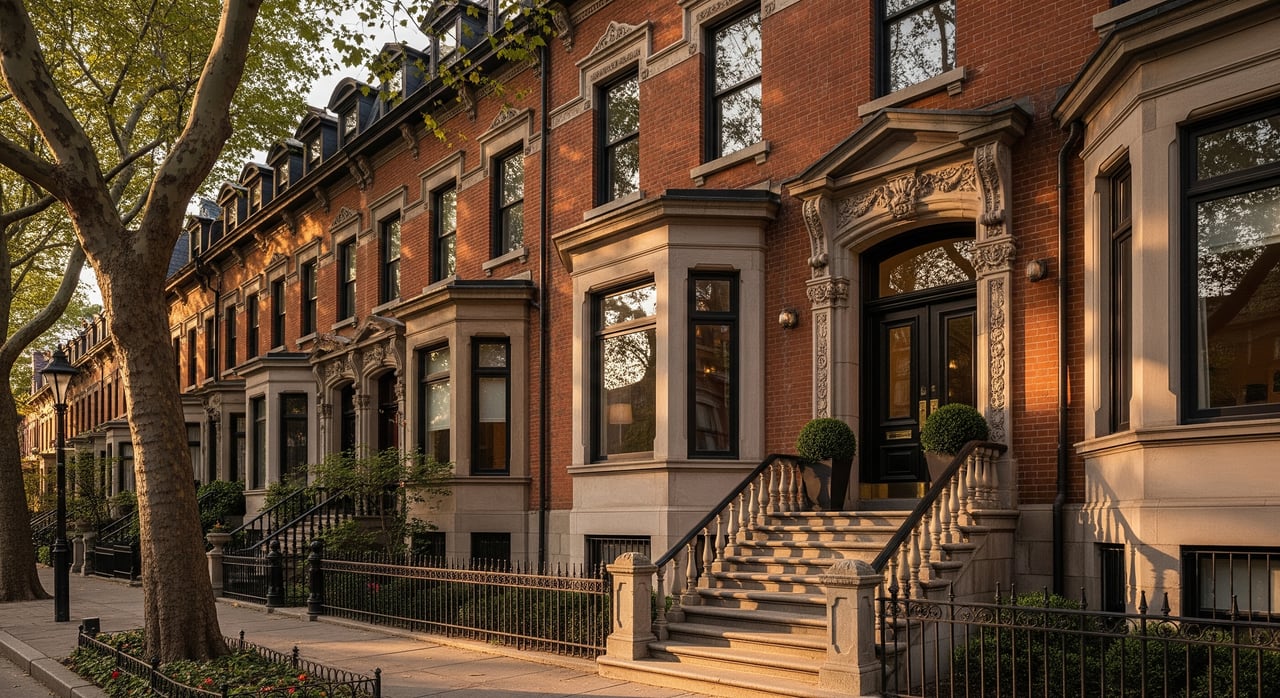
Summerhill blends historic charm with practical variety. You’ll see older detached and semi-detached houses with period details, plus townhomes and low- to mid-rise condos near the main arteries.
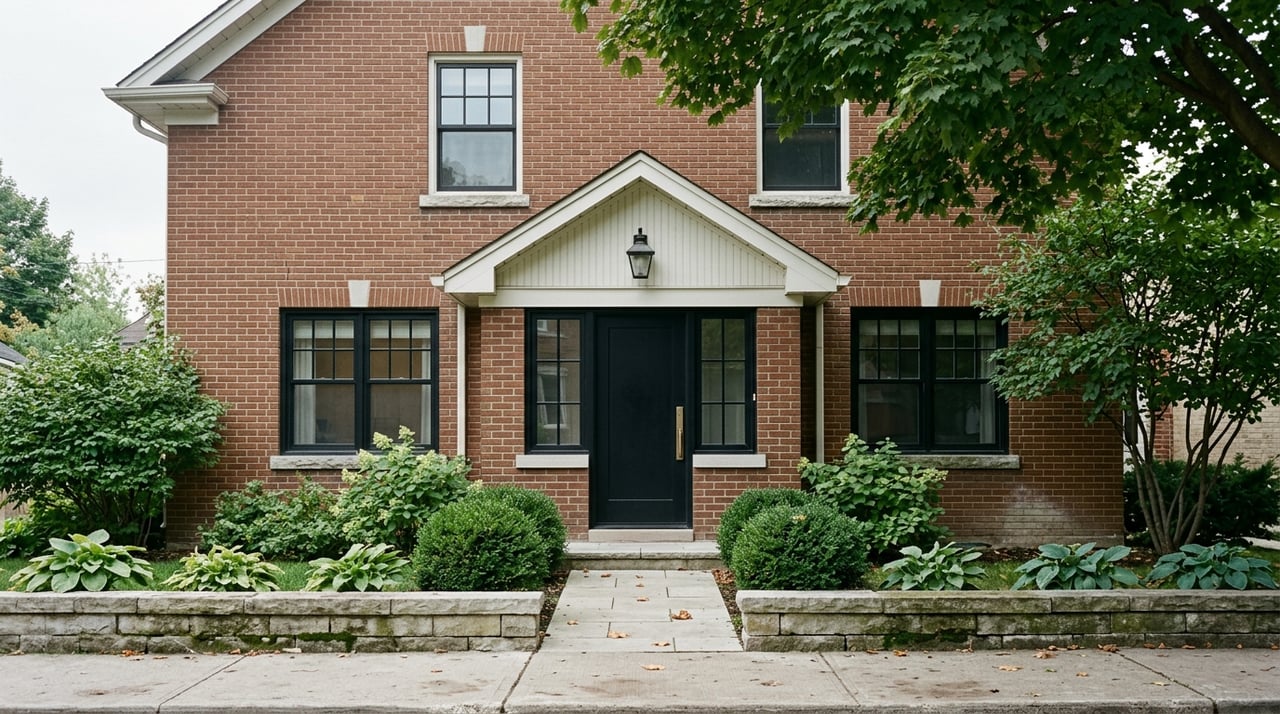
Many streets feature Victorian or Edwardian character, brick facades, bay windows, and mature trees. Detached homes often sit on larger central Toronto lots, which attracts upsizing families who want space and green access. Some properties have been renovated or reimagined for modern living, and a number have been converted into multi-unit dwellings.
Closer to Yonge and St. Clair, you’ll find low- to mid-rise condominium buildings and townhomes. These homes often appeal to professionals, downsizers seeking convenience and walkability, and investors looking for rental-ready units.
Demand in this part of central Toronto is consistently strong, and prices tend to sit above city averages. For current benchmarks, consult the latest Toronto Regional Real Estate Board market reports, or request a local snapshot specific to your property type.
Select streets and properties may be subject to heritage policies or designations tied to neighbourhood character. Infill builds and additions are common, but you should plan for municipal approvals and potential community consultation that can add time and cost. For broader planning context and maps, see the City of Toronto’s neighbourhood profiles.
Summerhill is served by Line 1 via Summerhill Station on Yonge Street, with St. Clair and Davisville stations nearby for many residents. The TTC provides direct access to midtown hubs and, with transfers, to the downtown core and beyond. Buses on surrounding corridors fill in the network for cross-town trips.
Cycling is common for local errands. Many riders combine the Beltline’s off-street path with quieter side streets, then use on-road segments where needed. Bike infrastructure varies by street, so route-planning helps for peak periods.
Driving across the city is straightforward from this central location, though Yonge and St. Clair see congestion at peak hours. On-street parking can be tight in pockets, and many homes rely on private driveways or garages. Downtown driving and parking are slower and more expensive, especially during rush times.
If you live near the retail corridors, daily errands are easy on foot. Tools like Walk Score typically rate Summerhill as highly walkable, with slightly reduced walkability deeper into interior residential streets.
Public school access is managed by the Toronto District School Board and Toronto Catholic District School Board. Always verify address-based catchments and programs directly through the TDSB school finder or the TCDSB. Several private and independent schools operate across midtown, often a short drive or transit ride away.
Childcare availability varies, and waitlists are common in central neighbourhoods. Health clinics and primary care offices are located along main streets, while hospitals are accessible by transit or a short drive.
Regarding safety, crime levels in Summerhill generally align with other central Toronto residential areas. For the most current block-level statistics, consult the Toronto Police Service data portal.
Pros
Trade-offs
If you want central access, walkability, and green space without sacrificing a calm residential setting, Summerhill is easy to love. You can start your day in the ravine, run errands on foot, and get downtown without a car. The trade-offs are real, including higher prices and occasional parking challenges, but many residents find the everyday quality of life worth it.
If you’re deciding between property types or want a clear read on value, local context matters. For a tailored market snapshot and on-the-ground guidance, reach out to Claire Speedie for neighbourhood-specific advice, white-glove service, and access to VIP off-market opportunities.

Claire has a keen interest in investment properties and looks forward to continuing to help her clients build their real estate investment portfolios.