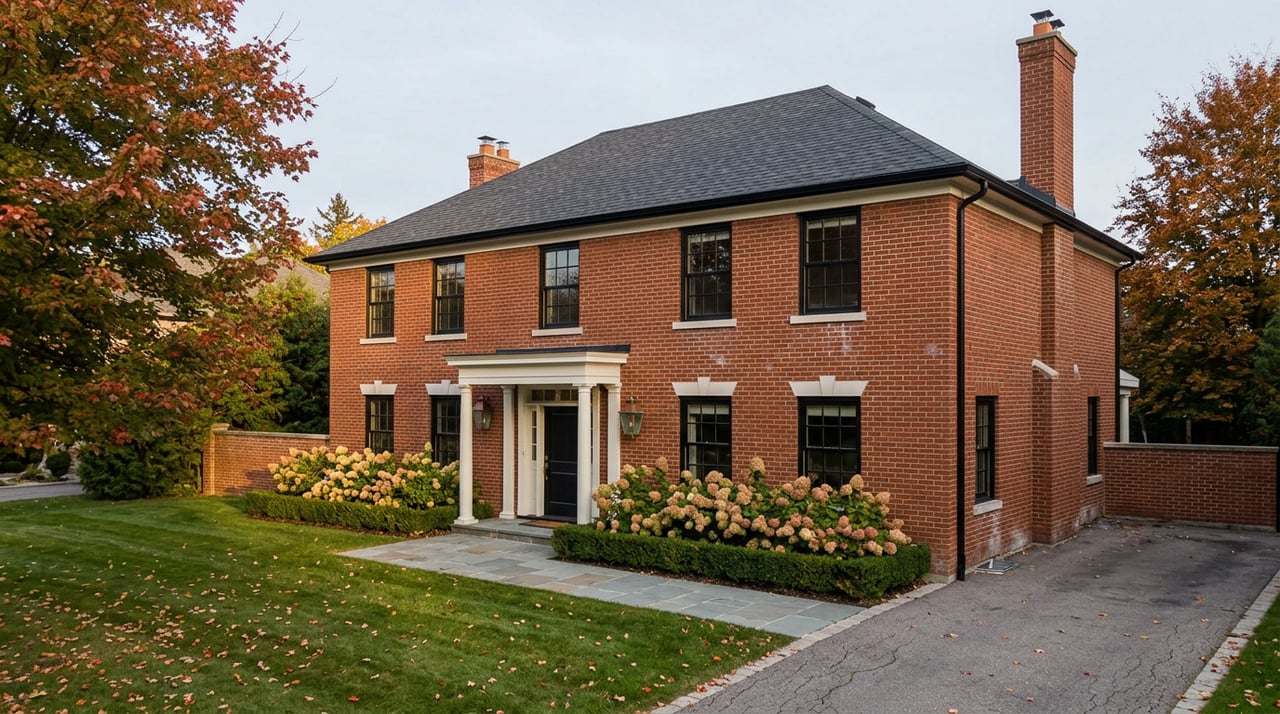
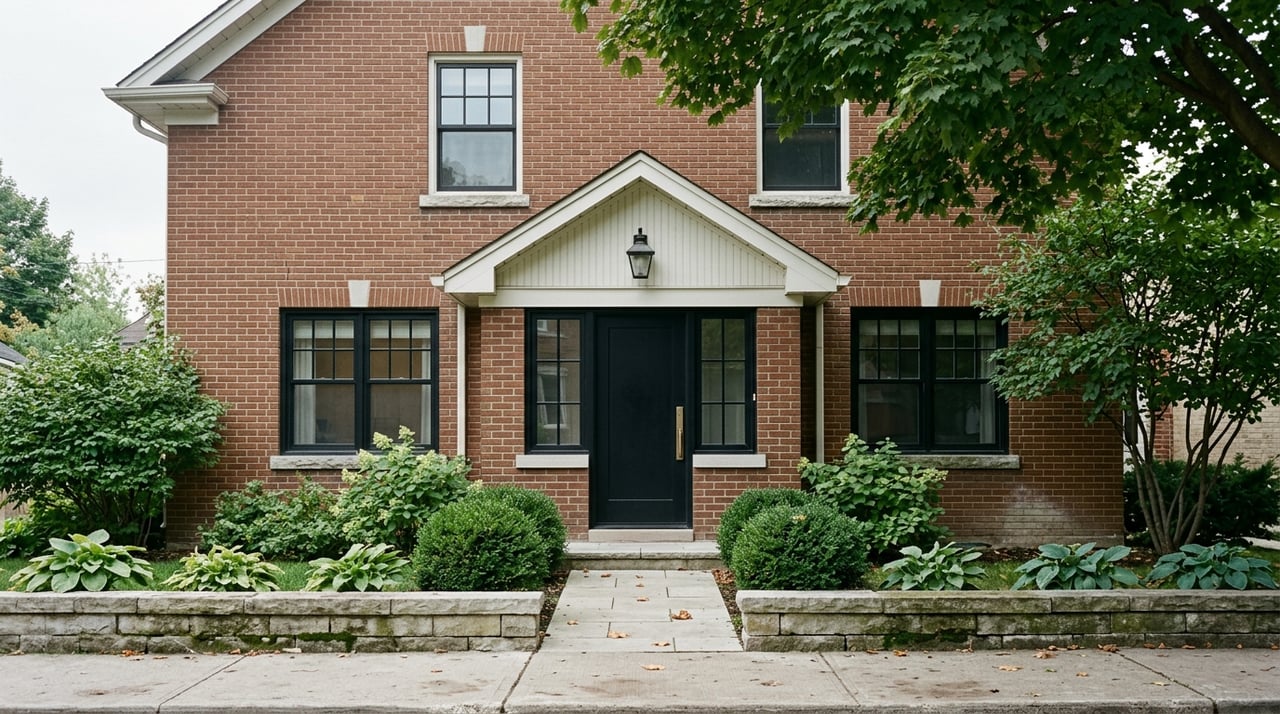
Buying first or selling first in Davisville Village can feel like a high-wire act. You want the right house, the right timing, and as little disruption for your family as possible. Bridge financing is one tool that can make your move smoother by covering the gap between purchase and sale. In this guide, you’ll learn how bridge loans work in Toronto, what lenders look for, typical costs and timelines, risks to watch, and smart alternatives. Let’s dive in.
What bridge financing is
A bridge loan is short-term financing that lets you buy your next home before the sale of your current one closes. It “bridges” the gap between transactions and is usually repaid when your current home sells or when you refinance into a longer-term mortgage.
How it usually works:
- Security: The lender registers a charge on your current home, the new home, or both.
- Payments: Many bridge loans are interest-only during the term, then you repay the principal from sale proceeds or a refinance.
- Term: Short term, commonly up to 6–12 months, sometimes renewable.
- Approval: Most lenders want a firm sale on your current home. If you have strong equity and income, some will consider a bridge without a sale, but approval is not guaranteed.
Common uses in midtown Toronto
- Making a competitive, unconditional offer on a Davisville freehold home.
- Covering a closing date mismatch when your purchase closes before your sale.
- Avoiding a double move or temporary housing between closings.
How a bridge fits Davisville Village
Davisville Village is a popular midtown pocket where freehold inventory can be tight. In competitive moments, sellers often prefer offers without a sale-of-home condition. Bridge financing can help you act quickly while you prepare your current home for market.
Local timing also matters. In many Toronto transactions, sellers and buyers negotiate closings 30–90 days from the firm date. If your purchase closes sooner than your sale, a short bridge can cover the overlap. When the market slows, you may choose a sell-first path and avoid a bridge entirely.
How lenders evaluate your bridge
Lenders focus on your equity position, ability to repay, and documentation. Expect to provide:
- Current mortgage statements and proof of title for your properties.
- Your purchase agreement and, if available, the sale agreement for your current home.
- Recent valuations or appraisals for each property.
- Proof of income, credit, and employment verification.
- Insurance for both properties.
Many lenders look at combined loan-to-value across both properties and set a cap. Limits vary by lender and borrower profile, so confirm the exact parameters early.
Costs, terms, and what to expect
Bridge loans are priced higher than standard mortgages because of their short term and risk profile. You should budget for:
- Interest: Typically higher than a conventional mortgage rate.
- Fees: Appraisal, legal, origination or administration, and possibly discharge or extension fees.
- Payments: Often interest-only during the bridge period. Some lenders require interest to be held in trust or paid monthly.
- Legal and registration: Your lawyer will register the lender’s charge on title and coordinate closings. If you have an existing mortgage, the lender’s priority position must be clarified.
If your bridge converts to a longer-term mortgage or you refinance, standard qualification rules may apply. Ask your lender whether a mortgage stress test will be required at that stage.
Real Davisville scenarios
Here are three practical examples you might encounter:
Scenario A: Buy first to win. You purchase a Davisville detached with an unconditional offer. Your current home is listed and goes firm shortly after. The purchase closes in 30 days and your sale closes 45 days later. A bridge covers the 15-day gap so you can move once and avoid temporary housing.
Scenario B: Closing mismatch. Your sale closes in 60 days, but you secure a great house that closes in 30 days. A 30-day bridge covers the overlap so you can complete both transactions smoothly.
Scenario C: No sale yet. You find the right home, but your current property is not under contract. Some lenders may offer a bridge if you have strong equity and income. Others may require you to include a sale condition in your offer. Your lender’s appetite will guide the strategy.
Your step-by-step timeline
Use this as a planning roadmap. Timelines vary by lender and negotiation.
- Before you shop
- Estimate your current home’s equity and sale timeline with your agent.
- Speak with a lender or broker about bridge options and documentation.
- Get your home sale-ready so you can list promptly if needed.
- Offer and acceptance
- If the market is competitive, decide whether an unconditional offer is necessary.
- Negotiate closing dates with both transactions in mind.
- Bridge application and legal prep
- Submit documents to your lender and confirm the combined loan-to-value they will allow.
- Your lender and lawyer coordinate registration and closing details. Allow 1–3 weeks or more for underwriting and legal work.
- Funding and closing
- Bridge funds are advanced as needed to complete the purchase.
- You make interest payments according to the lender’s schedule.
- When your sale closes, the bridge is repaid from proceeds or refinanced into a mortgage.
Risks and how to reduce them
Bridge loans are helpful, but they carry real tradeoffs. Plan with care.
Key risks:
- Double carrying costs if you hold both properties longer than expected.
- Sale delays or lower-than-expected sale price, which can affect repayment.
- Higher interest and fees that add up if the bridge period extends.
- Lender remedies if repayment fails, including enforcing the security on property.
Ways to mitigate:
- Keep a cash buffer beyond your projected bridge costs.
- Use conservative pricing when estimating your sale proceeds.
- Align closing dates to shorten the bridge period, and confirm extension policies and fees upfront.
- Work with an experienced real estate lawyer and local agent to set firm dates and clear conditions.
Alternatives to compare
Before committing, consider whether another option fits your goals and risk tolerance.
- Sell first: Lower risk and simpler financing. You may face timing pressure to find the next home and could miss opportunities in a competitive pocket.
- HELOC on your current home: Often lower interest if you have available credit and lender support. Requires planning ahead.
- Personal line of credit or private financing: Faster approvals in some cases, usually more expensive and higher risk.
- Sale contingency in your offer: Can protect you, but is uncommon in competitive Toronto situations.
- Purchase-before-sale product with the same lender: Some lenders offer specialized options. Terms vary, so compare carefully.
Checklist before you bid without a sale condition
Use this quick list to stay organized and reduce stress.
- Confirm your equity: Current market value minus outstanding mortgages and estimated sale costs.
- Get lender pre-approval or conditional approval for a bridge, including the maximum term and combined LTV.
- Understand interest, fees, and how payments are made during the bridge period.
- Line up required documents: appraisals, insurance, title, income verification.
- Maintain a contingency fund for delays or price concessions.
- Coordinate timelines with your lawyer, agent, and lender. Aim for firm, aligned closing dates.
Questions to ask your lender and your agent
Asking the right questions upfront helps you choose the right structure and avoid surprises.
Ask your bridge lender
- What is the maximum term, and can I extend? What are the extension fees?
- What is the interest rate and total fee structure, and is the rate fixed for the term?
- Which properties will secure the loan? What combined LTV will you allow?
- What payments are due during the bridge? Monthly interest or interest held in trust?
- What happens if my sale is delayed or the price is lower than expected?
- Will a mortgage stress test apply when I convert or refinance?
- What legal and appraisal costs should I expect?
Ask your Davisville agent
- What are the current norms for days on market and typical time from firm deal to closing in this micro-area?
- What closing date ranges are common right now?
- How do local sellers respond to unconditional versus conditional offers?
- What pricing and staging plan will help my current home sell on a reliable timeline?
Ready to move up in Davisville Village?
If you want the freedom to act fast on the right home, a well-structured bridge can make your move smoother and less stressful. The key is planning: understand your equity, line up lender options, and set realistic dates that work for your family’s schedule. With careful prep, you can minimize overlap and keep control of your timeline.
If you’re weighing buy-first versus sell-first, let’s discuss your options and map a clear path tailored to your goals. Connect with Claire Speedie to review your timing, lending choices, and a step-by-step listing plan. Start your new chapter with a calm, confident strategy.
FAQs
Do I need a bridge loan to buy first in Davisville?
- Not always. It depends on your equity, market conditions, and whether you need to be unconditional to win a bid. It is one tool among several.
How long does a bridge loan usually last in Toronto?
- Typically months, often up to 6–12 months. Confirm specifics with your lender since terms vary.
Can anyone qualify for a bridge loan in Toronto?
- Approval is not automatic. Lenders look for sufficient equity, income, and a credible plan to repay, often supported by a firm sale.
Are bridge loans insured by CMHC in Canada?
- Generally not. Bridge financing is usually lender underwritten without CMHC insurance. Confirm details with your lender.