Wondering why two homes on the same street in Forest Hill North can look worlds apart? If you are choosing between a storybook Tudor, a stately Georgian, or a sleek contemporary rebuild, the style you pick will shape day-to-day living, upkeep, and long-term value. In this guide, you will learn how to spot each style at a glance, what the construction choices mean for maintenance, and which approvals may affect your plans. You will also get a simple checklist to use at showings. Let’s dive in.
Why Forest Hill North looks this way
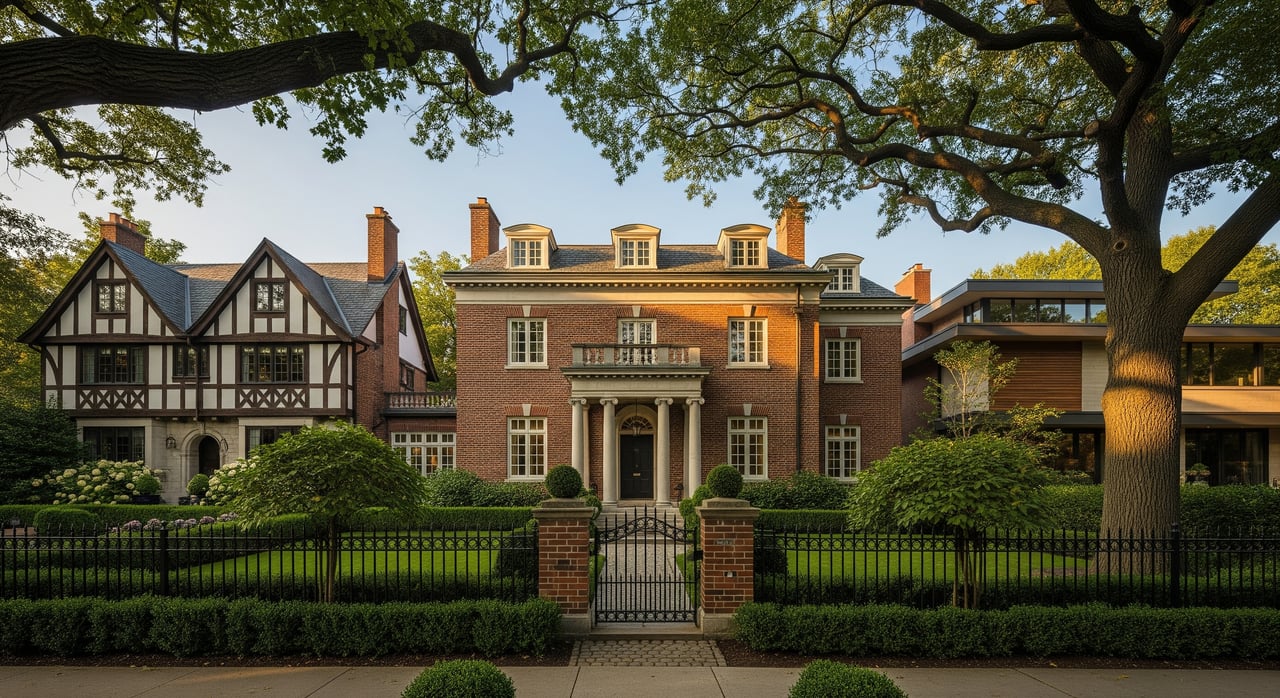
Forest Hill North grew through the early to mid 20th century as an affluent residential pocket. Larger, regular lots encouraged grand Tudor and Georgian revival homes, followed by full-lot contemporary rebuilds in recent decades. That mix is why you see classic façades beside modern glass and metal.
Before you buy, factor in local planning rules. City of Toronto zoning sets height, lot coverage, setbacks, and parking. Infill and rebuild projects often seek variances at the Committee of Adjustment. Some properties are designated under the Ontario Heritage Act or fall within areas of heritage interest. Exterior changes to designated homes can require heritage permits. Tree protection bylaws can also affect demolition and construction around mature trees. Always verify zoning, any heritage status, and recent Committee of Adjustment activity for the address you are considering.
Tudor Revival: What to notice
Defining features
- Steep, multi-gabled roofs with front-facing gables
- Decorative half-timbering with stucco infill on upper walls
- Asymmetrical façades and tall, narrow casement windows, often with leaded panes
- Brick or stone at the lower level and arched or recessed entry doors
- Prominent decorative chimneys
Materials and era
Most Tudor Revival homes here date from the 1910s to 1940s. You will often see masonry at the lower walls with timber framing and stucco above. High-end originals may have slate or wood shingles; later repairs sometimes use composite shingles.
Inspection and maintenance focus
- Roof complexity: Steep, intersecting rooflines create more valleys and flashing, which can raise maintenance costs. Slate is long-lived but costly to repair or replace.
- Half-timber and stucco care: Timber needs regular painting and checks for rot. Stucco can crack, inviting moisture; look for hairline cracks, staining, or efflorescence.
- Masonry and chimneys: Periodic repointing is common. Chimney crowns and flashing often need attention.
- Windows: Original leaded-glass and wood casements are beautiful yet typically single-glazed and drafty. Repairs are specialized.
- Energy and comfort: Insulation and mechanicals in older Tudors may be dated. Boilers and cast-iron radiators can be reliable but may need upgrades for efficiency and comfort.
Renovation and value notes
Preserving character elements like half-timbering, leaded glass, and brickwork often adds cost but also supports resale. High-performance replica windows can maintain the look while improving comfort. Roofing can be updated with materials that mimic slate. If a Tudor is heritage-designated, expect exterior changes to require municipal approvals.
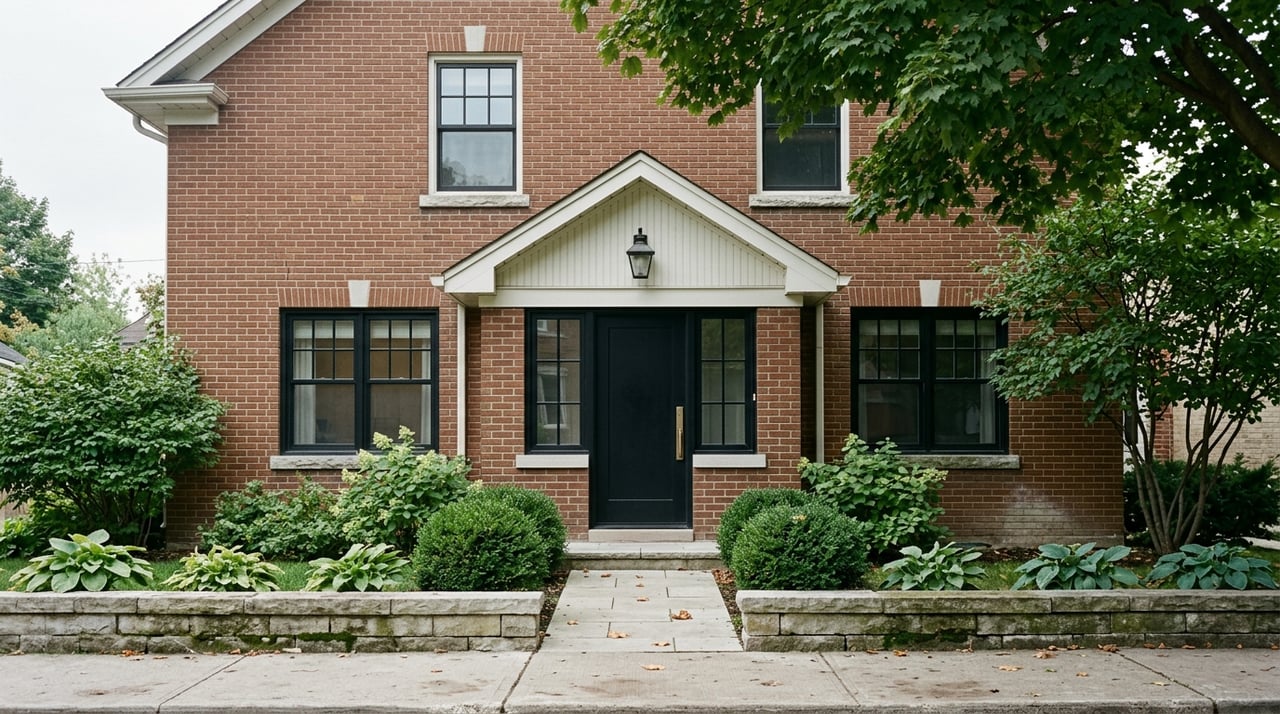
Georgian Revival: What to notice
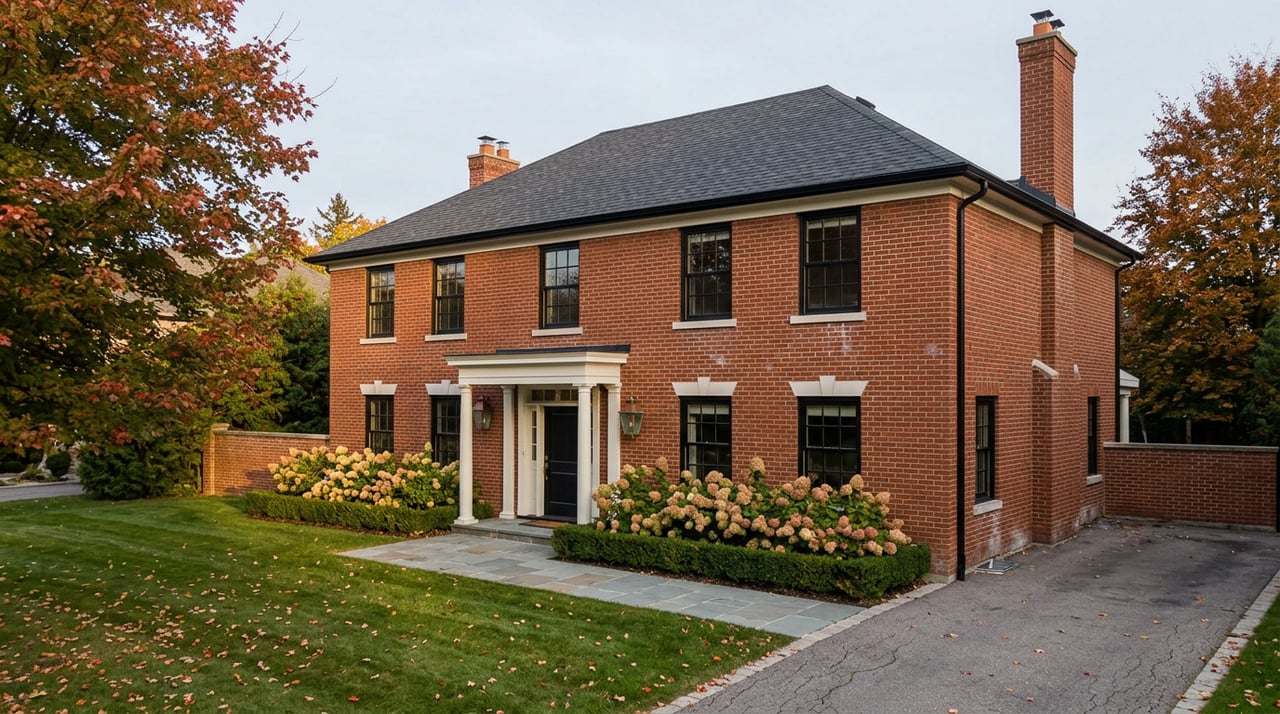
Defining features
- Symmetrical façade with a centered front door and evenly spaced windows
- Rectilinear proportions at two to two-and-a-half storeys
- Brick façades with stone or cast-stone trim at sills, lintels, and keystones
- Multi-pane double-hung windows, often with shutters
- A formal entrance with columns or pilasters and a pediment or portico
Materials and era
Georgian Revival homes also rose in the early to mid 20th century, built for affluent buyers with high-quality brickwork. Many have load-bearing brick, timber roof framing, and original slate or tile roofs.
Inspection and maintenance focus
- Brick and mortar: Repointing is normal. Matching mortar composition and profile matters to avoid damage to historic brick.
- Stone details: Trim and cornices can suffer freeze-thaw wear if water management is poor.
- Windows: Original multi-pane wood sashes require steady painting and weatherproofing. They attract buyers who value authenticity.
- Foundations and basements: Masonry foundations are often sound but should be checked for settlement and moisture. Older waterproofing may be inadequate.
- Insulation and mechanicals: Plan for upgrades similar to other historic homes.
Renovation and value notes
Many buyers want larger kitchens and family spaces. Opening up a Georgian interior can be done with careful structural planning to preserve the façade’s symmetry and character. For exterior conservation, use appropriate techniques and materials when repointing. Energy improvements can prioritize interior insulation solutions and high-quality window restoration to keep the look intact.
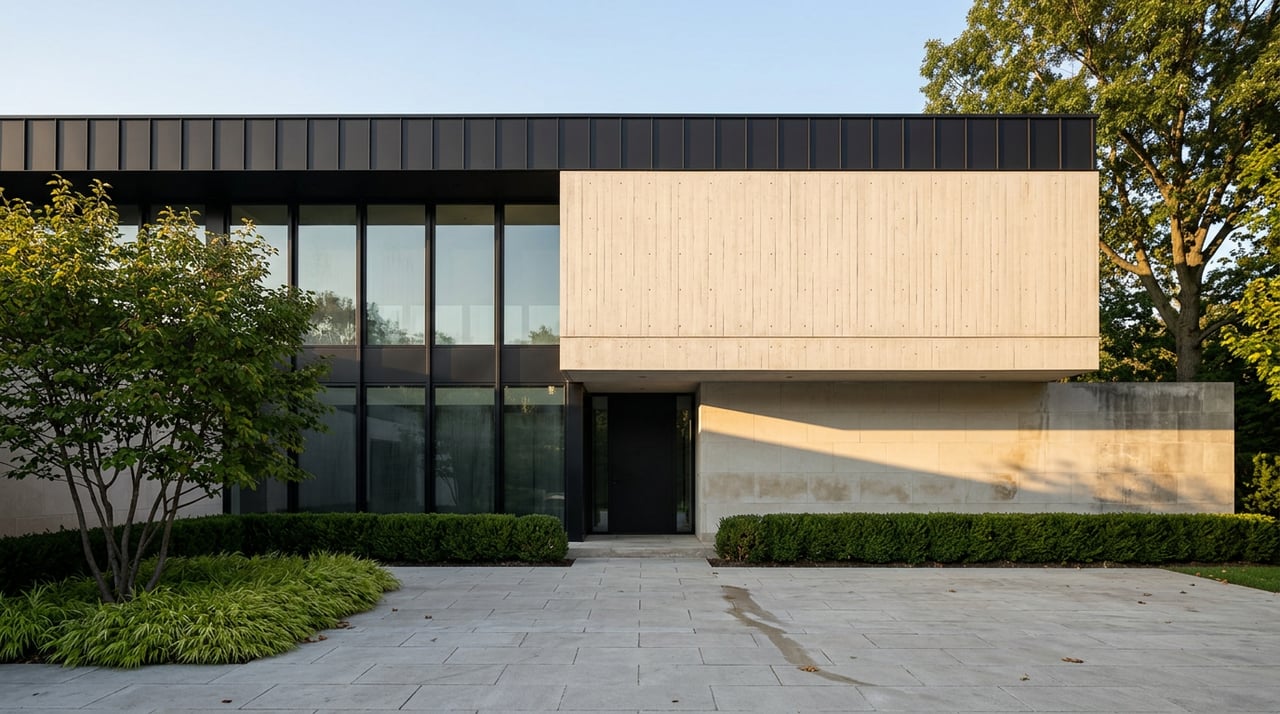
Contemporary infill: What to notice
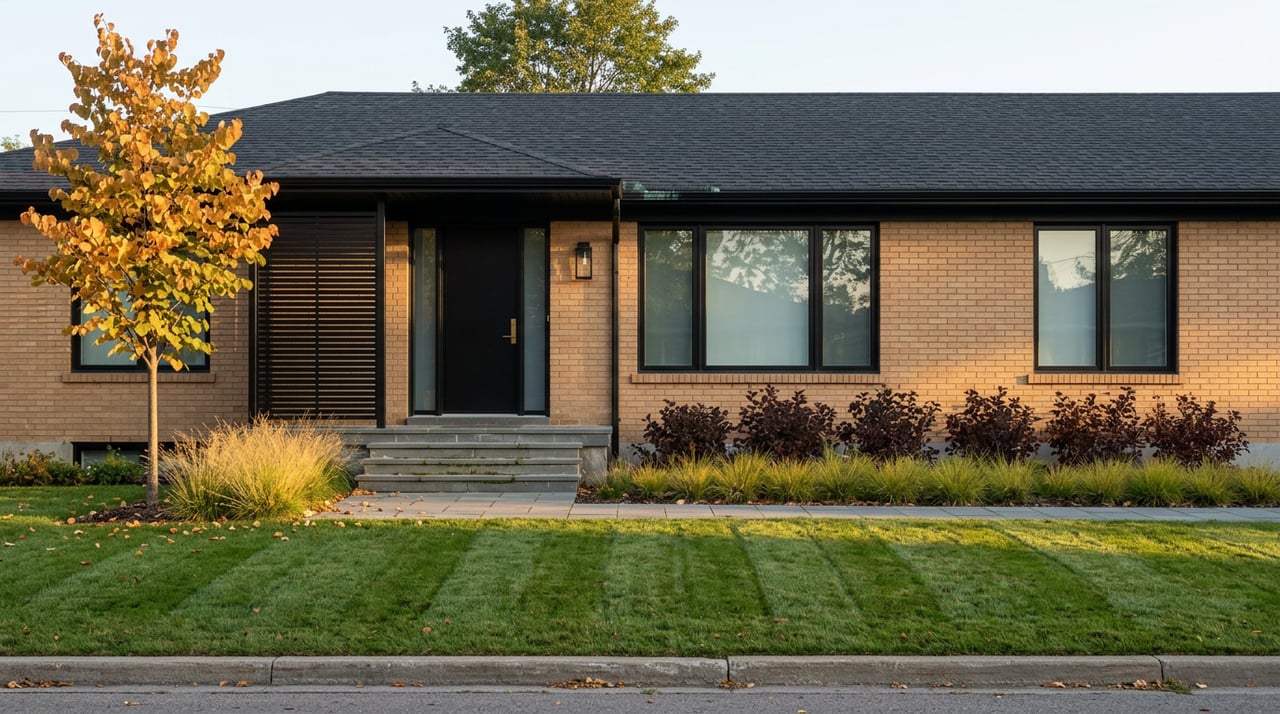
Defining features
- Clean lines, large expanses of glass, and minimal ornament
- Flat or low-pitched roofs with strong indoor-outdoor connections
- Open-plan interiors and modern systems throughout
Materials and era
Most contemporary homes in Forest Hill North are post-2000 rebuilds. You will see modern envelope assemblies such as EIFS, metal panels, engineered wood, composite cladding, and large glazing systems.
Inspection and maintenance focus
- Cladding systems: EIFS and composite panels behave differently than masonry. Water management behind cladding is critical. Poor detailing can lead to moisture problems.
- Large glazing: Specialized windows can be costly to replace. Check for thermal comfort and proper thermal breaks.
- Flat or low-slope roofs: These need careful detailing and routine maintenance to prevent ponding or membrane failure.
- Mechanical systems: High-efficiency HVAC plus HRV or ERV can reduce operating costs if serviced properly. Smart-home tech adds complexity.
- Site drainage: Rebuilds often adjust grading. Confirm there are no runoff issues affecting the property or neighbors.
Renovation and value notes
Well-executed contemporary homes appeal to buyers who prioritize light, space, and modern finishes. Quality of detailing drives value. Ask for warranties on the building envelope, windows, and mechanicals, plus as-built documentation.
How style affects maintenance and budget
- Older character homes: Expect higher ongoing care for complex roofs, masonry, timber, and original windows, plus likely upgrades to insulation and mechanicals. Restoring or replicating historic details costs more than basic replacement but often supports stronger resale.
- Contemporary rebuilds: Short-term exterior restoration needs are often lower. Over time, specialized cladding, large-format glazing, and high-end mechanicals can carry higher repair or replacement costs. Warranty documentation matters.
- Plan for a contingency: Inspections often reveal deferred maintenance. Build a buffer into your budget.
Quick viewing checklist
Use this list at showings and share it with your inspector:
- Roof: Material type, age, valleys and flashings, and chimney condition.
- Exterior walls: Brick or stone repointing needs, stucco cracks, and any timber rot or peeling paint.
- Windows and doors: Single vs double glazing, sash or frame condition, signs of staining or drafts.
- Foundations and grading: Settlement cracks, distance from grade to cladding, and proper downspout discharge.
- Attic and insulation: Insulation levels, ventilation, and any signs of historic wiring or ventilation issues.
- Mechanical systems: Age and type of boiler or furnace, service records, water heater condition, and presence of modern ventilation like HRV or ERV.
- Moisture and mould: Look in basements, around windows, and in enclosed spaces.
- Hazardous materials: Ask your inspector about potential lead paint or asbestos in older finishes if suspected.
- Trees and landscape: Large roots near the foundation and any tree protection rules if you plan major work.
- Contemporary-specific: Cladding attachment and flashing, window detailing, roof membrane condition, and warranty documents.
Permits, heritage, and next steps
If you plan to renovate or rebuild, check municipal zoning for permitted coverage, height, and setbacks, plus any variance history at the Committee of Adjustment. Confirm whether the property is heritage-designated or within a heritage interest area, as this can limit exterior changes and trigger heritage permits. Review Toronto’s private tree rules if mature trees are on or near the lot.
For larger projects, speak with a local architect familiar with Forest Hill contexts and a contractor who understands Toronto permit processes. If the home may be heritage-affected, consult a heritage planner before finalizing your plans. When buying with renovation in mind, request existing surveys, as-built drawings, and any structural or drainage reports. A pre-purchase site survey can confirm setbacks and legal lot lines.
Matching style to your long-term goals
- Tudor and Georgian: These styles have broad appeal because of their craftsmanship and timeless look. If well maintained, they tend to hold value. Choose one if you love character and are comfortable with routine upkeep and selective upgrades.
- Contemporary infill: Ideal if you want open plans, modern systems, and a light-filled layout. Resale depends on design quality and workmanship. Homes that respect neighborhood scale and detail well usually perform best.
- Fit to your lifestyle: Think about how you live day to day. Formal rooms and central halls feel different than open great rooms. The right style should support your routines and renovation plans.
Ready to compare homes side by side, with a clear plan for inspections, approvals, and value drivers? Reach out for white-glove guidance tailored to Forest Hill North.
Claire Speedie can curate the right short list, coordinate expert inspections, and navigate permits so you move forward with confidence.
FAQs
What makes Tudor homes in Forest Hill North higher maintenance?
- Steep, complex roofs, timber and stucco upkeep, specialized window repairs, and older mechanicals often require more ongoing attention and budget.
How flexible are Georgian interiors for modern living?
- Many buyers open kitchens and create larger family zones; with careful structural planning, you can modernize inside while preserving the classic exterior character.
Do contemporary infill homes resell well in Forest Hill North?
- Quality drives results; well-designed, well-detailed contemporary homes typically perform strongly, while extreme designs can be more polarizing for buyers.
Do I need permits or heritage approvals to renovate in Forest Hill North?
- Check municipal zoning and any heritage designation for the property; designated exteriors can require heritage permits, and variances may go to the Committee of Adjustment.
What inspections are essential before buying any style here?
- Get a full home inspection and add specialists as needed for roof, chimneys, structural, HVAC, hazardous materials, and a site or drainage review if you plan work.