Forest Hill Village Guide For Dining, Shopping, And Strolling
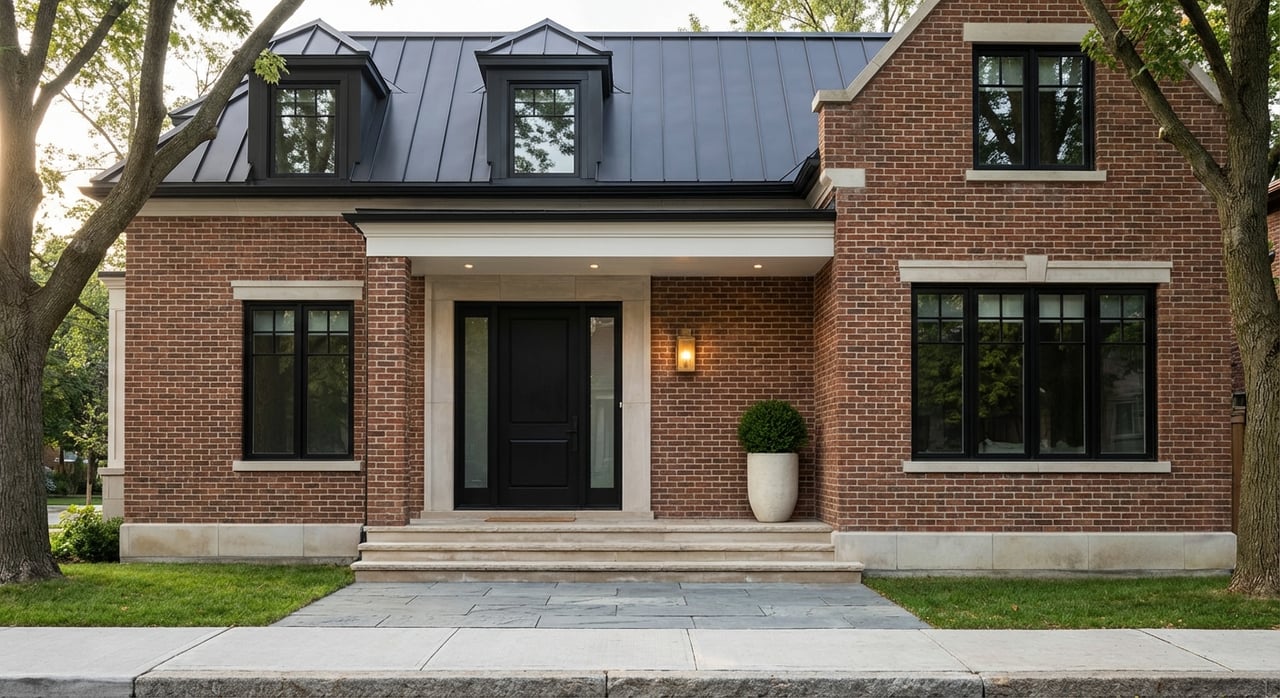
Looking for a neighbourhood where your morning coffee, errands, and a leisurely stroll all fit on one charming street? If you have your eye on Forest Hill North or South, or you already live nearby, Forest Hill Village along Spadina Road delivers that small-town-in-the-city feel. In this guide, you’ll find the best cafés, restaurants, boutiques, parks, transit tips, and a simple walking loop, plus how these amenities can support buyer demand. Let’s dive in.
Forest Hill Village is the compact retail heart of Forest Hill, centered on Spadina Road around Lonsdale, with short cross-streets like Thelma and Coulson. The area is part of midtown Toronto and is tracked across two neighbourhood profiles, Forest Hill North and Forest Hill South, each known for tree-lined streets and a strong village core. You can review the Village’s layout and merchant mix on the Forest Hill Village BIA overview and learn more about municipal neighbourhood designations on the City’s profiles page for Toronto neighbourhoods.
Families often cite school access as a practical reason to prioritize Forest Hill. Notable nearby private schools include Upper Canada College and Bishop Strachan School, both recognized names in Toronto’s education landscape. Public and private school options are among the factors families consider when weighing a move here.
Morning coffee runs and after-school treats are part of daily life in the Village. A few local favourites include:
For an up-to-date list and hours, browse the Village café directory. These quick stops make it easy to build a simple routine: coffee, a short errand, and a friendly hello on the sidewalk.
Forest Hill Village shines with casual, family-friendly dining. You will find a mix of Mediterranean, sushi, and pizza spots within a few minutes of each other:
Menus and service models evolve, so confirm current offerings through the Village restaurant listings before you go.
For quick midweek shops or last-minute ingredients, the Village has you covered:
These independent options make it easy to grab fresh produce, pantry items, or prepared foods without leaving the neighbourhood. Larger supermarkets along St. Clair are a short transit or drive away for full weekly shops. Explore category listings on the BIA’s food specialty page for current details.
Part of the Village’s charm is its curated mix of local shops and services. You will find small galleries like Lonsdale Gallery and Art Interiors, salons and spas, the long-running Forest Hill Barber Shop, plus banks, pharmacies, medical and dental practices, and boutique fitness studios.
This one-stop convenience builds real everyday value, whether you are dropping by for a haircut, a framing consultation, or a quick appointment between errands.
Green space is part of the daily rhythm in Forest Hill. The Kay Gardner Beltline Trail runs through and near the neighbourhood, connecting to a wider network of paths that make for scenic jogs, stroller walks, and weekend rides. Cedarvale Park and small local parkettes like Suydam Park and Forest Hill Road Park offer relaxed spots for a bench break or a quick play stop. Learn more about the Beltline and other paths on the City’s trails page.
Want to sample the Village in one easy circuit? Try this quick route:
Most of this loop sits within a compact two-block radius, which is what makes the Village so pleasant for unplanned stops and everyday errands.
Forest Hill has long been recognized as one of Toronto’s established, higher-value residential areas, with prestige architecture, generous lots, and a compact village core that residents use every day. That mix consistently supports buyer interest. You can read a broad overview of the area’s profile on Wikipedia’s Forest Hill entry.
Research shows that walkability, transit access, and nearby amenities can be reflected in property prices. A Toronto case study of the King Street Transit Priority Corridor found that improved transit service was associated with an added appreciation effect for nearby condos, on average, after the pilot period. You can review the study summary on Ideas/RePEc. Cross-city analyses also show a positive relationship between walkability and home values, though the size of the effect varies by market segment and location. A review of the literature published by MDPI provides helpful context on this trend across cities and property types; see the walkability and housing prices study for more.
For family buyers comparing Forest Hill North and South, proximity to well-known schools such as Upper Canada College and Bishop Strachan School is frequently part of the decision set. For condo or apartment buyers, quick access to transit, shops, and trails can be especially valuable given daily routines. While amenity premiums are real, they still move with the broader market. TRREB’s January 2026 coverage signaled a softer start to the year for the GTA, a reminder that in cooler cycles buyers often have more negotiating room. You can review the monthly context in CityNews’ summary of TRREB data.
Bottom line: compact, walkable amenities, strong park connections, reliable transit, and reputable nearby schools tend to support demand in Forest Hill. The exact premium depends on property type, street, and timing in the market cycle.
Ready to explore homes near Forest Hill Village or planning a strategic sale nearby? For tailored guidance on timing, pricing, and lifestyle fit, connect with Claire Speedie. Claire’s boutique, concierge-level approach is built for midtown moves and results.

Claire has a keen interest in investment properties and looks forward to continuing to help her clients build their real estate investment portfolios.