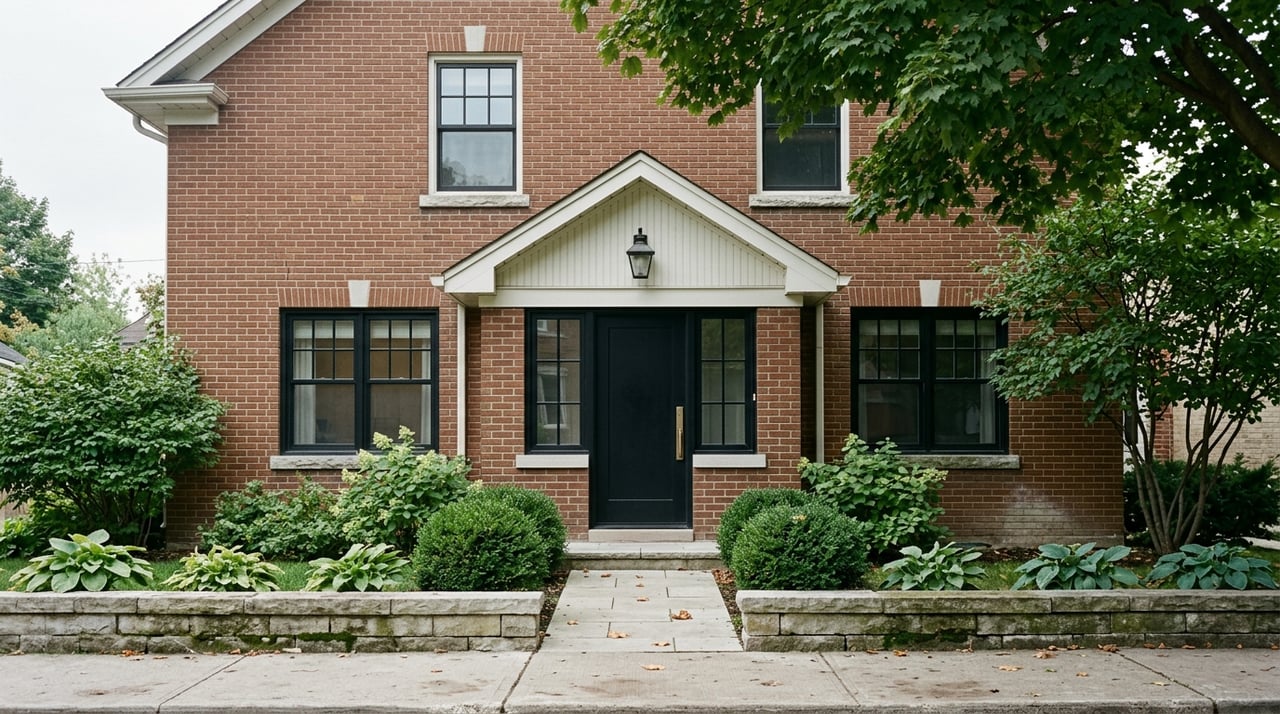
Are you trying to decide whether to make a move this spring or wait for fall in Forest Hill North? You are not alone. In a neighbourhood with fewer listings and higher price points, timing can shape your options, your stress level, and your final result. In this guide, you will learn how Toronto’s seasonal rhythms play out in Forest Hill North, what to expect in spring versus fall, and how to pick a strategy that fits your goals. Let’s dive in.
Seasonality in Forest Hill North
Forest Hill North is a refined midtown pocket with larger lots, older character homes, and a mix of renovated luxury properties. Listings are limited compared to many parts of Toronto, which means small shifts in supply or buyer turnout can have a big impact on negotiations.
Seasonality still matters, but it looks different here than in mass-market areas. You often see longer decision cycles, more private or off-market activity, and marketing that targets specific buyer profiles. That combination can soften the big seasonal waves you hear about across the city, yet timing still influences how many choices you have, how quickly homes sell, and how much leverage you hold.
Toronto’s seasonal pattern at a glance
Spring: April to June
Across Toronto, spring is usually the busiest window. New listings rise, buyer traffic increases, and multiple-offer situations are more common. Families aim for summer closings, the weather helps showings and curb appeal, and many sellers who paused during winter decide to list.
Summer: July and August
Activity often eases after spring. Some inventory lingers, but buyer attendance and speed of deals typically slow as people travel or focus on time off.
Fall: September to November
Fall tends to be the second active period. Buyers return after summer, and sellers who prefer fall closings come to market. Competition is often lower than peak spring in some submarkets, which can benefit buyers who want a calmer experience. Timing around the school year and year-end planning can motivate both sides.
Winter: December to March
Winter is usually the quietest season with fewer listings and showings. That said, serious buyers still transact, and motivated sellers can stand out if they list with strong presentation.
How those patterns show up locally
In Forest Hill North, spring still brings more showings and fresh listings, yet the spike is often less dramatic because of off-market deals and targeted marketing. Fall can be attractive if you want to avoid the full spring rush but still see good inventory. Days on market and sale-price ratios tend to look more stable year over year than in lower-cost areas, but big changes in interest rates or citywide demand can shift the local picture quickly.
Spring in Forest Hill North
Spring offers more choice, high buyer energy, and great curb appeal. If you are selling a home with manicured landscaping and updated exteriors, spring can showcase it beautifully. If you are buying, you will likely see the most new listings between April and June, including freshly renovated homes. The tradeoff is higher competition and faster decision timelines.
When spring makes sense for sellers
- You want maximum exposure to a larger buyer pool.
- Your home shines outdoors and is fully prepped after winter projects.
- You are comfortable competing with other listings and can stand out with premium marketing.
When spring makes sense for buyers
- You want the most selection, even if it means bidding against others.
- You have a firm pre-approval and can act quickly.
- You are open to escalation or clean offer strategies when appropriate.
Fall in Forest Hill North
Fall draws motivated buyers who return after summer. You often see fewer casual shoppers, clearer negotiation windows, and sellers who have spent the summer finishing renovations or maintenance. For buyers, there can be a bit less pressure than peak spring, which supports careful due diligence.
When fall makes sense for sellers
- You prefer more motivated, focused buyers.
- You used the summer to complete renovations, staging, and repairs.
- You want slightly less competition from other listings.
When fall makes sense for buyers
- You want calmer offer nights and more time for inspections.
- You are comfortable monitoring a smaller pool of listings.
- You are ready to move if a well-matched home appears.
What drives the differences
Demand drivers
- School-year timing. Families prefer summer closings, which fuels spring activity.
- Buyer availability. Better weather and longer daylight hours support showings and inspections.
- Mortgage conditions. Changes to interest rates or lending rules can amplify or mute seasonal surges by changing purchasing power.
Supply drivers
- Seller motivation. Many list in spring for curb appeal, while others opt for fall to capture post-summer buyers or align with job or relocation timelines.
- Renovation cycles. Winter delays and spring-summer contractor availability influence when homes are market-ready.
Market structure and off-market flow
- Private deals are more common at higher price points. This can reduce the visible swings on MLS and make local insight especially valuable.
- Inventory depth is limited. In a small, affluent market, every new listing can move the needle.
Weather and presentation
- Spring and early fall both show homes well. Winter curb appeal is harder, but high-quality photography and staging can help.
Recent trends to watch
Interest rates and affordability
Rate hikes in recent years reduced purchasing power and tamped down transaction volumes across Canada, which muted some traditional seasonal spikes. If rates stabilize or ease, activity often picks up, though the timing of that response can vary.
Remote and hybrid work
More flexible work has increased demand for larger homes and lifestyle-driven neighbourhoods. That shift can loosen strict school-year timing for some buyers and create steadier interest beyond spring.
Inventory and policy changes
Established areas like Forest Hill North have limited new supply, which helps support prices. Infills and rebuilds can create bursts of inventory when multiple projects finish at once. Changes in stress-test rules or tax policy can also reshape buyer urgency in a given season.
Seller playbook: spring vs fall
Spring advantages
- Largest buyer pool and higher foot traffic.
- Strong outdoor presentation for gardens and mature trees.
- Often more competitive bidding in many years.
Spring watchouts
- More competing listings can split attention.
- Rushing prep can compromise presentation.
Fall advantages
- Buyers are typically more focused and motivated.
- Less listing competition and clearer negotiation windows.
- Ideal if you completed summer renovations and want a polished launch.
Fall watchouts
- Slightly fewer casual buyers.
- Shorter days and later-season weather can affect photography and showing schedules.
Seasonal seller checklist
- Spring
- Schedule professional landscaping and exterior touch-ups.
- Book photography near leaf-out for maximum curb appeal.
- Consider a pre-listing inspection to reduce deal friction.
- Fall
- Refresh curb appeal with fall plantings and leaf clearing.
- Service heating systems and highlight cozy interior features.
- Aim for earlier showings for better daylight.
- Always
- Invest in high-quality photos, floor plans, and premium marketing.
- Price with current comparable sales in mind and watch cancellations and relistings.
Buyer playbook: spring vs fall
Spring tactics
- Expect more listings and faster timelines.
- Get pre-approved and understand the stress test buffer.
- Prepare for multiple offers when needed with a clear ceiling.
Fall tactics
- Use calmer conditions to negotiate on terms and timing.
- Be patient with a smaller new-listings flow.
- Move quickly when the right home hits the market.
Buyer checklist
- Mortgage readiness with documentation in order.
- Track local comparables, days on market, and list-to-sale ratios in Forest Hill North.
- Tailor inspections to the season. In spring, assess drainage after thaw. In fall, check gutters, roof condition, and heating performance.
- Match your offer strategy to the market. In a hot spring, be ready with tight conditions or escalation tactics when appropriate. In fall, emphasize clean, straightforward offers to stand out.
Timing and negotiation summary
If you want maximum exposure and selection, spring is the natural choice. If you prefer a more focused buyer pool and cleaner negotiations, fall can work just as well. In Forest Hill North, where inventory is limited and price points are higher, exceptional preparation and premium marketing can deliver strong results in either season. Align your timing with your readiness, your property’s strengths, and the current interest rate and inventory backdrop.
How we help in Forest Hill North
You deserve clear advice tailored to your home and your move. With hyper-local expertise, concierge-level preparation, and access to VIP off-market opportunities, we help you choose the right season, price with precision, and negotiate with confidence. If you are planning a sale or want a quiet, strategic search, we will create a plan that respects your timeline and maximizes your outcome. Start your new chapter with Claire Speedie.
FAQs
Is spring always the best time to sell in Forest Hill North?
- Spring brings the largest buyer pool in many years, but in this high-end, low-inventory market, a well-prepared fall listing can perform just as strongly with motivated buyers.
Should buyers wait until fall to avoid bidding wars in Forest Hill North?
- Fall can mean less competition, but inventory may be thinner. If a great match appears in spring, being pre-approved and ready to act can be the better move.
Do luxury properties in Forest Hill North follow the same seasonality as Toronto overall?
- Not exactly. Higher price points often mean more private sales and longer decision cycles, which can mute the big spring surge seen elsewhere.
How do interest rates affect the choice between spring and fall?
- Rising rates tend to suppress spring surges by reducing affordability. When rates stabilize or ease, demand often strengthens, which can intensify seasonal activity.
What should sellers prepare differently for spring versus fall?
- Spring favors landscaping and exterior refreshes and timing photos for leaf-out. Fall calls for leaf cleanup, heating system service, and warm, cozy staging.
What data should I watch before choosing a season in Forest Hill North?
- Track new listings, sales, active inventory, days on market, sale-to-list ratios, and absorption trends over several weeks to gauge competition and timing.