Relocating To Summerhill: How To Plan A Smooth Midtown Move
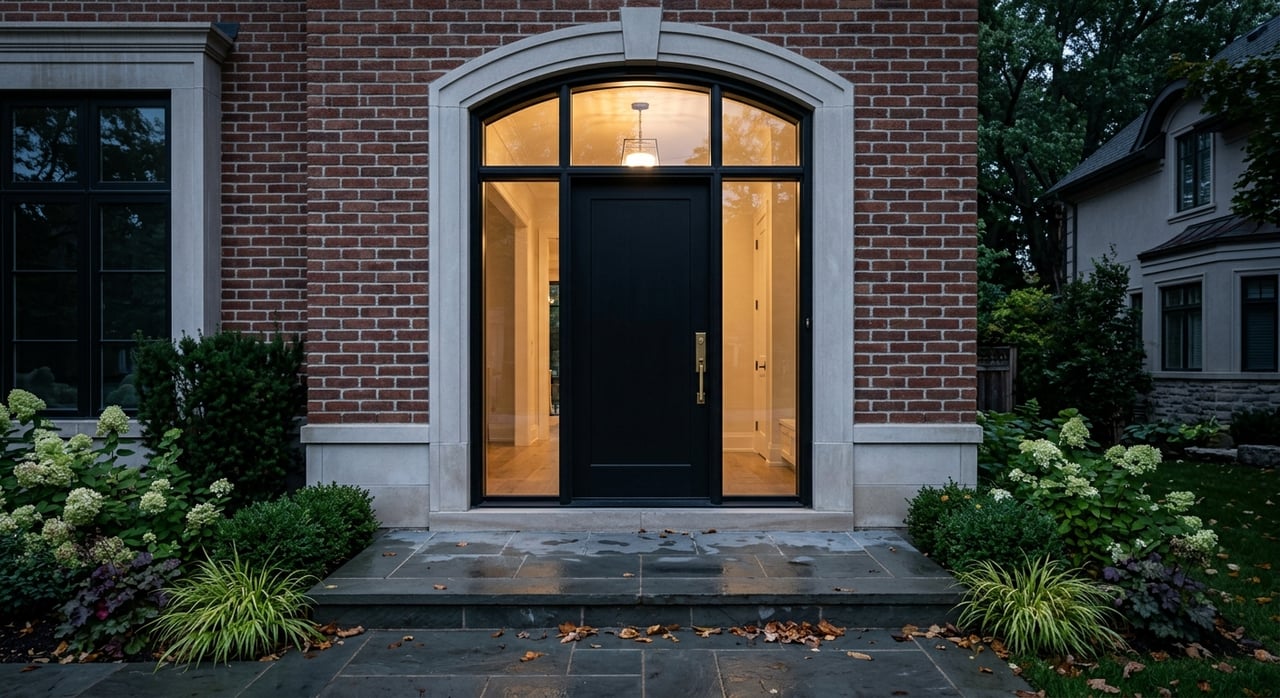
Thinking about a move to Summerhill? A midtown relocation can feel exciting and overwhelming at the same time, especially when you are trying to line up neighbourhood research, home tours, budgeting, and move-day logistics from a distance. The good news is that with the right plan, you can make your transition far smoother and avoid some of the most common surprises. Let’s dive in.
Summerhill appeals to buyers who want a central Toronto location with strong transit access and a more low-rise, heritage-sensitive streetscape. The City of Toronto’s heritage work in the area along Yonge Street points to a context that supports the surrounding residential neighbourhood, which helps explain why the housing feel here is different from more tower-heavy parts of the city. If you are moving from outside Toronto, that character can be a big part of the draw.
Transit is also a practical advantage. Summerhill Station sits at 16 Shaftesbury Avenue just east of Yonge Street, with bike lock-up, Bike Share access, and TTC bus connections including the 97 Yonge and 320 Yonge routes. TTC also notes that the station elevators were in service as of December 31, 2025, which can matter if you want accessible transit options as part of your daily routine.
That said, transit convenience does not mean every move detail is effortless. TTC notes there is no parking at Summerhill Station and one station entrance, so if your household relies heavily on a car, you will want to think carefully about parking, drop-offs, and move-day timing.
A smooth relocation usually starts with timing, not listings. Before you book showings, map out your ideal possession date, work start date, school or childcare timing, lease end, and any travel windows. This gives you a clearer way to judge whether a property actually fits your move, not just your wish list.
If your dates do not line up neatly, build in a backup plan. RECO’s buyer checklist recommends having a contingency plan if your closing date does not align with your move-out date, and Ontario also recognizes temporary housing as a valid option while you secure a permanent place. For some relocation buyers, a short-term furnished rental can reduce pressure and give you more flexibility.
Your purchase price is only one part of the move. In Toronto, you also need to budget for Ontario land transfer tax and the City’s Municipal Land Transfer Tax. According to the City of Toronto MLTT guidance, eligible first-time buyers may qualify for a City rebate of up to $4,475, and Ontario’s first-time buyer refund can be up to $4,000.
Toronto also applies additional tax rules in some cases. The City notes that foreign buyers may be subject to a 10% Municipal Non-Resident Speculation Tax on certain residential purchases, effective January 1, 2025. If your move involves residency or cross-border considerations, it is worth confirming the details early so there are no surprises.
Beyond taxes, RECO advises buyers to include legal fees, mortgage insurance if applicable, utility hookups, appraisal or survey costs, home inspection costs, and moving expenses. When you are relocating, those extra costs can add up quickly, especially if you are also paying for travel, storage, or temporary accommodation.
Market context matters when you are deciding how aggressive to be. TRREB’s February 2026 Market Watch reported 3,868 GTA home sales, down 6.3% year over year, while new listings were down 17.7% year over year. TRREB also noted that buyers had substantial choice in the market.
For condo buyers, conditions may offer added negotiating room. TRREB’s Q4 2025 condo report showed condo apartment sales down 15% year over year, with the average condo price at $652,945, down 5.1% year over year. If you are choosing between a condo as a first stop and a freehold home as a longer-term goal, that softer condo backdrop may shape your strategy.
If you are moving to Toronto from another city or country, local guidance becomes even more important. RECO recommends interviewing at least three agents and asking about neighbourhood knowledge, property-type experience, search strategy, negotiations, and references. That advice is especially relevant in a neighbourhood like Summerhill, where housing styles and property details can vary meaningfully from one block to the next.
RECO also notes that an agent can help gather neighbourhood and home information, make inquiries about zoning or permitted use, guide paperwork and closing, and support buyers in competing offer situations. For relocation buyers, that kind of support can make the process feel much more manageable.
If you cannot attend every showing in person, local help is still practical. RECO’s information guide notes that agents can arrange photographs, videos, and virtual tours for remote buyers, while also encouraging buyers to seek independent legal advice if they are unsure about a contract or process. That combination can help you keep momentum without feeling rushed.
Summerhill buyers often compare older houses, low-rise or boutique-style condo options, and other housing formats in nearby midtown pockets. The right choice depends on how you want to live during the first year after your move, not just on square footage.
If you want lower day-to-day maintenance and easy transit access, a condo may offer a simpler landing spot. If you need more private space or are thinking long term, a house may be the better fit, but older homes can bring more condition questions and planning requirements.
Summerhill’s heritage context is important to understand before you buy. The City of Toronto Heritage Register is separate from formal designation, and the area has been subject to heritage-study work. That means you should confirm a specific property’s status rather than assume future exterior changes or additions will be straightforward.
This matters even if you are not planning a major renovation right away. If your long-term plan includes updates, it is smart to understand what may require additional review before you commit.
Ontario notes that home inspectors are not subject to mandatory provincial requirements, so buyers should choose someone with experience in the type of home being purchased and expect a written report. In Summerhill, that can be especially important if you are considering an older house, a heritage-era property, or a condo with building-specific considerations.
A good inspection will not solve every issue, but it can help you understand condition, likely maintenance items, and whether specialist follow-up is needed. That is valuable information when you are relocating and may have less time to revisit the property before closing.
When possible, RECO recommends making offers conditional on financing, inspection, or the sale of your existing home. Not every market or property will allow the same flexibility, but conditions can provide important protection when you are coordinating a move across cities or countries.
If you are buying a new condo or new home, Ontario notes that eligible new condo buyers have a 10-day cooling-off period, and Tarion-backed warranties can include protection related to delayed closing and delayed occupancy. Those protections are worth understanding if you are relying on a builder timeline.
Summerhill works well for many transit-first buyers, but relocation logistics still need a plan. Since TTC lists no parking at Summerhill Station, do not assume nearby station access will make move day easy for vans, deliveries, or multiple vehicles. Think through loading access, temporary parking, elevator booking if you are moving into a condo, and whether your movers need a permit or special instructions.
If you are arriving before your belongings, a short overlap between possession and full move-in can help. That gives you time to handle utilities, key pickup, internet setup, and any immediate cleaning without the pressure of doing everything in one day.
Your pre-closing visit is one of the most important checkpoints in the whole process. RECO says it is your last chance to confirm that the property is in the same condition, that included appliances and major systems are working, that fixtures have not been removed, and that any agreed repairs were completed.
RECO also warns buyers not to begin renovations until title has transferred or the transaction has closed. If you are eager to personalize your new home, it is still important to wait until ownership has officially changed hands.
A smooth move to Summerhill usually comes down to preparation, local insight, and clear priorities. When you understand the neighbourhood’s transit setup, heritage context, housing options, and closing costs, you can make decisions with far more confidence.
If you are planning a move to Summerhill and want thoughtful, high-touch guidance through every step, connect with Claire Speedie for a tailored relocation plan and local advice that helps you move with clarity.




Claire has a keen interest in investment properties and looks forward to continuing to help her clients build their real estate investment portfolios.