Staging A Chaplin Estates Character Home For Modern Buyers
If you are selling a Chaplin Estates home, you are not just listing square footage. You are presenting history, craftsmanship, and a lifestyle that feels both established and connected to Midtown Toronto. The challenge is making that character feel relevant to today’s buyer, and that is where thoughtful staging can make a real difference. In this guide, you will learn how to stage a Chaplin Estates character home in a way that highlights original charm, supports strong online presentation, and helps buyers picture themselves living there. Let’s dive in.
Chaplin Estates has a distinct identity within Toronto. City planning materials describe it as a residential neighbourhood developed largely in the 1920s and 1930s, with many Tudor, Georgian, and English Cottage style homes. That built form gives sellers a real advantage, but it also means presentation needs to feel careful and intentional.
Today’s buyers often want two things at once. They want the warmth and detail of a character home, but they also want spaces that feel calm, functional, and move-in ready. In a Midtown context shaped by transit, jobs, and urban convenience, staging helps bridge that gap.
There is also a practical reason to focus on presentation. Research on home staging found that 83% of buyers’ agents said staging made it easier for buyers to visualize a property as a future home, while 49% of sellers’ agents said staged homes sold faster. In a market where buyers are active but selective, that kind of first impression matters.
The goal is not to make a Chaplin Estates home look brand new. The goal is to make its period details feel valuable, livable, and easy to understand. Buyers should notice the architecture first, not the distractions around it.
Toronto’s heritage guidance supports an approach that conserves and enhances historic character while allowing context-appropriate change. For staging, that usually means simplifying the setting around original features rather than trying to cover them up. Think less visual noise, not less personality.
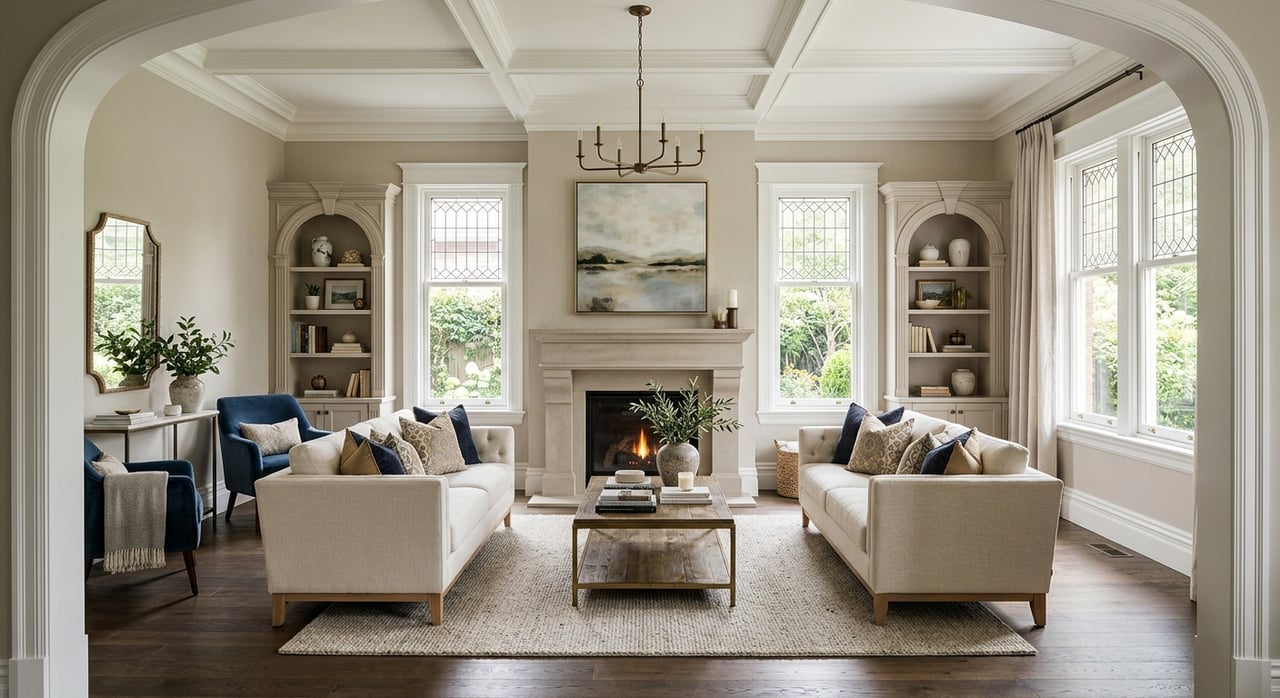
If your home has original millwork, leaded glass, paneling, archways, fireplaces, or a gracious staircase, make those elements the stars. Pull back bulky furniture, reduce small decor pieces, and avoid styling that competes with period details. A cleaner room helps buyers read the craftsmanship more clearly.
This is especially important in Chaplin Estates, where many homes reflect Tudor, Georgian, and English Cottage influences. Those styles already carry visual richness. Staging should give them breathing room.
A neutral palette can help dated finishes feel quieter without erasing the home’s identity. Soft whites, warm creams, taupe, muted greige, and natural wood tones often work well in older homes because they support both historic details and modern furnishings.
That does not mean every room needs to feel flat. You can still add controlled contrast through textiles, lighting, and a few darker accents. The key is restraint, so the home feels polished instead of busy.
Not every room needs the same level of effort. Staging research shows buyers respond most strongly to the living room, primary bedroom, kitchen, dining room, and outdoor spaces. If you are deciding where to invest time and money, start there.
A focused plan often works better than trying to do everything at once. In many cases, decluttering, editing furniture, and refining a few key rooms will have more impact than fully staging every corner.
Your living room should feel elegant, open, and easy to use. In a character home, that often means reducing the number of pieces in the room so architectural features and natural light can stand out. If the room feels overfurnished, buyers may focus on size limitations instead of charm.
Aim for conversational seating, clear traffic flow, and a layout that makes sense the moment someone walks in. If there is a fireplace, frame it simply and let it anchor the space. One strong artwork and a few intentional accessories usually go further than lots of styling.
You do not need a full renovation to improve how a kitchen reads online and in person. Clear counters, remove visual clutter, and keep only a few practical or decorative items on display. Buyers want to see workspace, storage, and light.
If the kitchen has older finishes, staging can still help it feel more current. Matching stools, fresh linens, simple greenery, and clean surfaces can shift attention toward function and flow. The kitchen should feel maintained and easy to imagine using every day.
Character homes often have formal dining rooms, and buyers still respond well to spaces that feel purposeful. Keep the table centered, scaled properly, and lightly styled. You want the room to suggest gathering and flexibility, not formality that feels outdated.
If the room is small, use fewer chairs or slimmer profiles to improve the sense of space. If it is generous, anchor it with lighting and a simple centerpiece. Either way, the room should feel balanced in photos.
A serene primary bedroom helps buyers connect emotionally to the home. Use simple bedding, symmetrical lighting if possible, and minimal decor. Remove personal items and extra furniture that makes the room feel crowded.
Older homes can have charming but irregular bedroom layouts. Good staging helps buyers understand how the room functions, where the bed fits best, and how circulation works. That clarity matters.
Outdoor living is one of the most important staging areas, especially in a neighbourhood known for established streetscapes and mature greenery. A porch, backyard, patio, or deck should look clean, usable, and well cared for. Even a modest outdoor area can photograph beautifully if it feels intentional.
Simple seating, tidy plantings, and clean hard surfaces usually do the job. Avoid over-styling. In Chaplin Estates, a natural, maintained look will often feel more in sync with the neighbourhood than anything too designed.
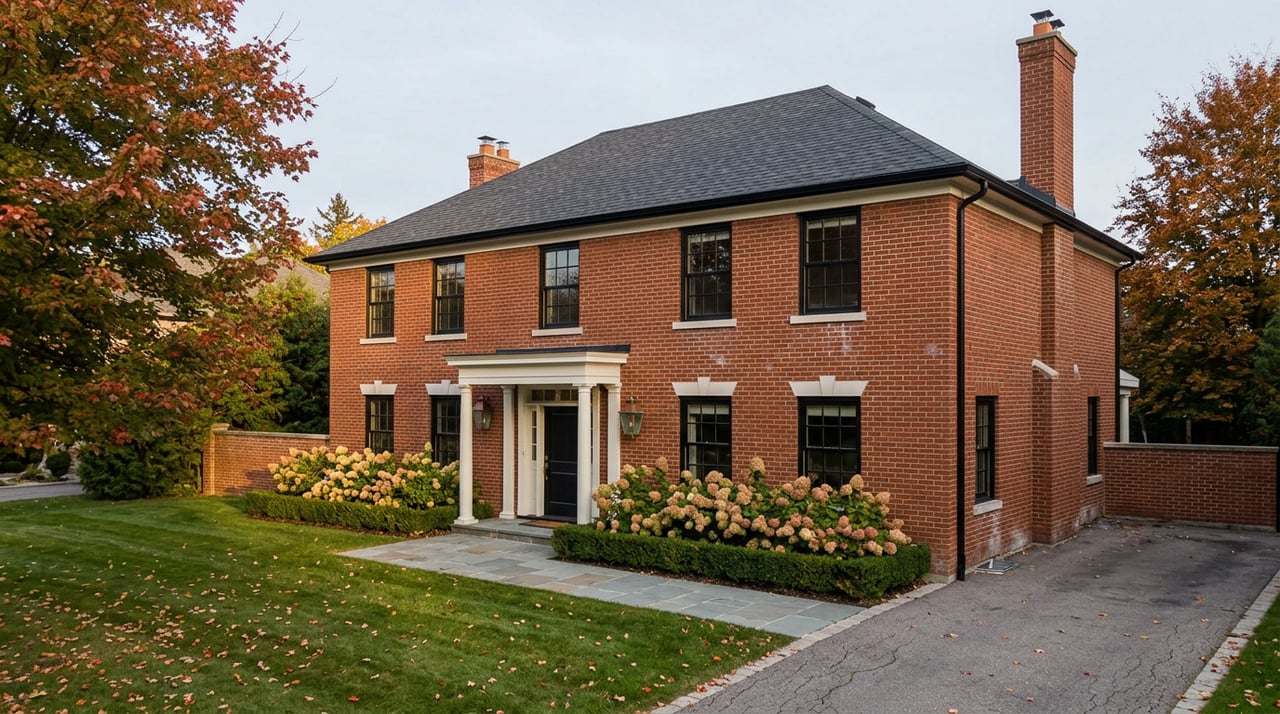
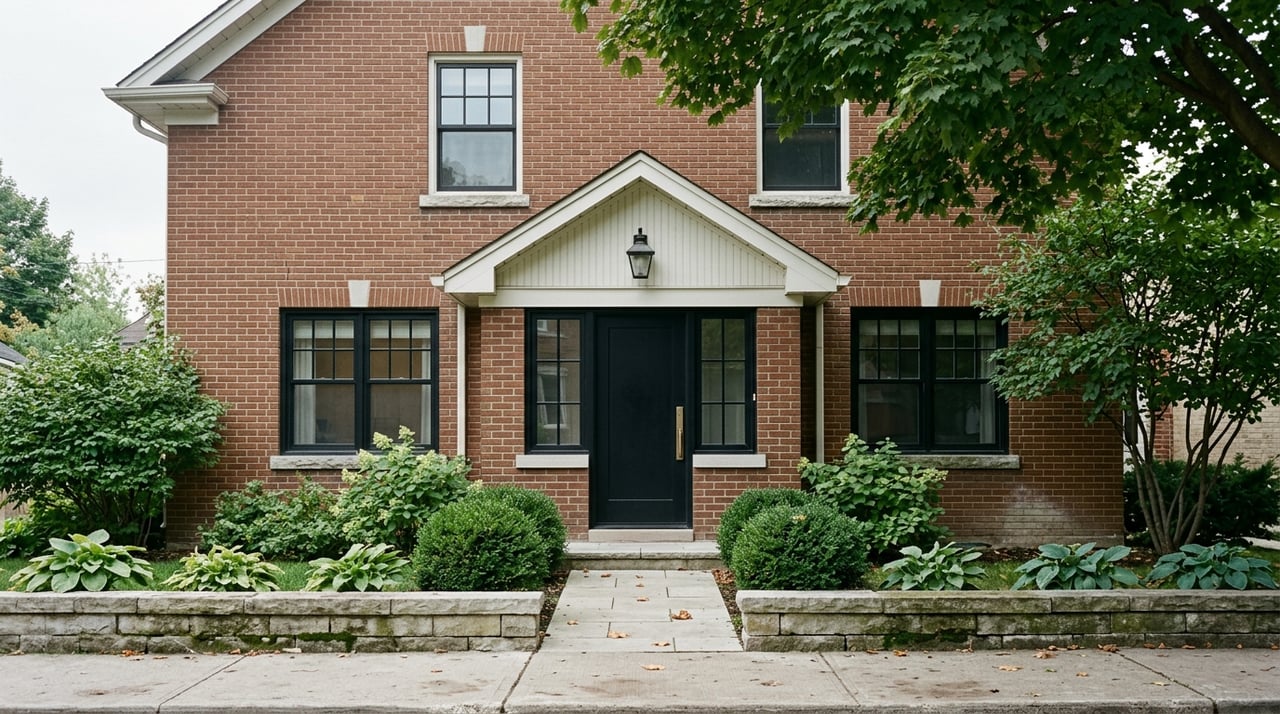
First impressions start before a buyer opens the front door. Research on seller prep highlights decluttering, cleaning, curb appeal improvements, professional photos, and minor repairs as common and effective recommendations. In a neighbourhood like Chaplin Estates, curb appeal carries extra weight because the streetscape itself is part of the appeal.
Think about what a buyer sees from the sidewalk, from the driveway, and from the listing photos. The home should feel cared for from the first glance.
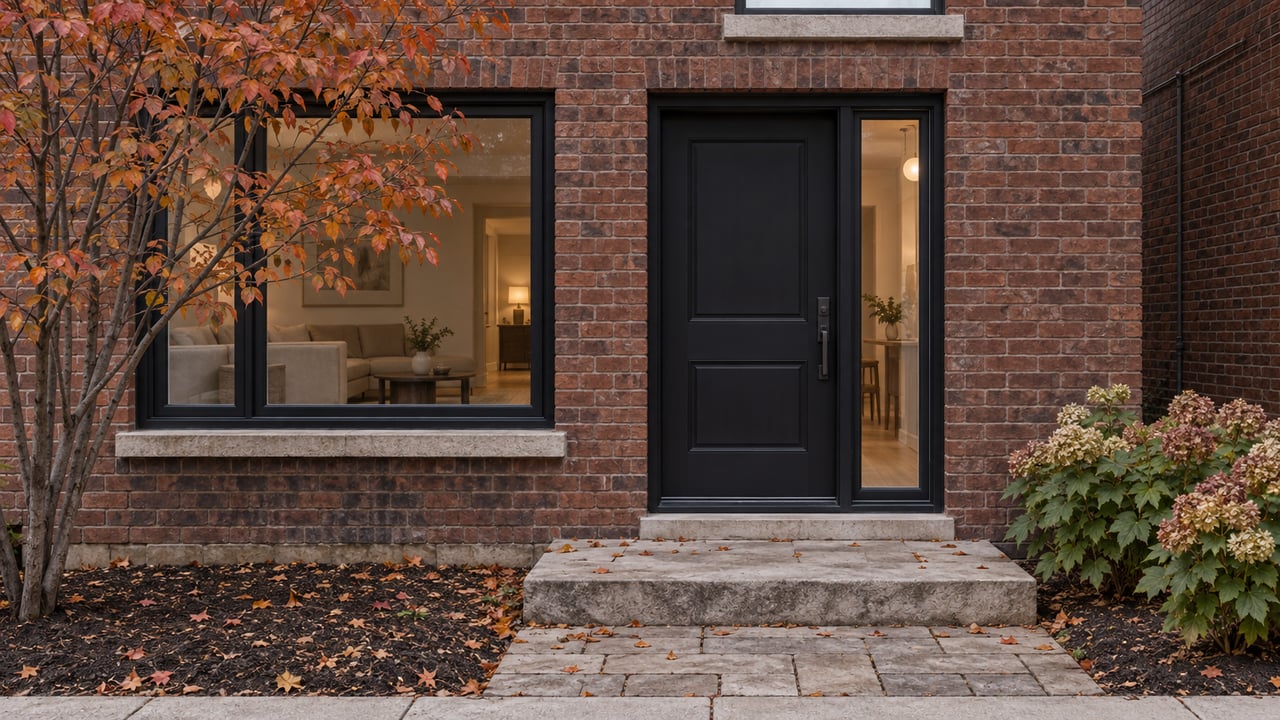
Start with the basics. Sweep the front walk, trim back overgrowth, clean exterior surfaces, and make sure the front door area feels tidy and welcoming. If there is outdoor furniture on a porch, keep it minimal and in good condition.
Toronto planning materials note the contribution of tree canopy to neighbourhood character and quality of life. That means your front garden does not need to feel heavily styled. It should feel open, neat, and harmonious with the setting.
The entry sets the tone for everything that follows. Remove excess coats, shoes, and small furniture so the space feels easy to move through. Add light where possible, and make sure sightlines into the main floor are clear.
In many character homes, the front hall is a memorable architectural moment. A runner, a clean console, or one well-scaled mirror may be enough. The point is to support the home’s bones, not distract from them.
This is where many sellers get stuck. You want the home to appeal to modern buyers, but you do not want to strip away the very features that make it special. The best answer is usually selective editing, not overcorrection.
A Chaplin Estates home should not be staged like a generic condo or new-build. Buyers are often drawn to these homes because they feel established, solid, and distinct.
A few updates can make a meaningful difference in how a home reads:
These changes are often enough to make the house feel fresher and more current.
Do not rush to hide every traditional element. Features that can add value in presentation include:
When these elements are presented well, they help the home stand apart from newer inventory.
If your home has heritage relevance, or if you are unsure about its status, staging should stay non-invasive. Toronto’s heritage guidance notes that interior spaces are generally not regulated by heritage permits, while exterior alterations to designated properties or district properties may require review. That is an important distinction.
For most sellers, the safest path is to focus on reversible updates and verify designation status before changing visible exterior elements such as windows, doors, or cladding. Staging should improve presentation, not create avoidable complications before listing.
A large share of buyer interest starts online, and staging has to work in photos before it works in person. Research found that photos, traditional staging, videos, and virtual tours were highly valued by buyers’ agents. One in three buyers’ agents also said clients were more likely to schedule a showing after seeing a staged home online.
That matters in Toronto, where polished digital presentation is often part of the competition. Your home’s first showing may happen on a phone screen, not at the front door.
Rooms usually need less furniture than you think to photograph well. Clear surfaces, open pathways, and balanced layouts help rooms look larger and more coherent in listing media. Natural light also plays a major role, so window treatments should support brightness, not fight it.
Before photography, walk through the home as if you are seeing it for the first time in small frames. What grabs your eye? What feels distracting? That final edit is often what separates a polished listing from an average one.
If you want a simple plan, start here:
A lighter-touch strategy can still be effective. Research shows many sellers’ agents recommend decluttering and correcting property faults rather than fully staging every room.
Staging a Chaplin Estates character home is about translation. You are helping buyers see how historic beauty fits modern life, and that takes a steady hand. When the home feels edited, bright, and easy to understand, buyers can connect with both its charm and its practicality.
In a neighbourhood known for architectural character and a strong Midtown location, thoughtful presentation can do more than make a home look good. It can help the right buyer see why your property feels special from the very first photo to the final showing. If you are thinking about preparing your home for market, Claire Speedie can help you build a tailored plan that respects the character of your home and positions it beautifully for today’s buyers.

Claire has a keen interest in investment properties and looks forward to continuing to help her clients build their real estate investment portfolios.