Off-Market Buying In Forest Hill And Rosedale: What To Expect
What if the right home in Forest Hill or Rosedale never hits the public market at all? For many buyers, off-market opportunities sound appealing because they promise privacy, early access, and a more tailored search. If you are considering this route in central Toronto, it helps to know what off-market really means, what it does not mean, and how to approach it with clear expectations. Let’s dive in.
In practice, off-market buying usually refers to properties that are not publicly advertised on MLS. According to CREA’s guidance on exclusive listings, a REALTOR may use an exclusive listing, but if a property is publicly marketed, it must then be placed on an MLS system.
That matters because not every “private” opportunity is the same. A pre-MLS property is often one that may be heading to the public market soon, while an off-market property is typically being kept outside the public MLS channel by seller choice. In many cases, these homes are shared through brokerage channels or direct REALTOR-to-REALTOR communication rather than broad advertising.
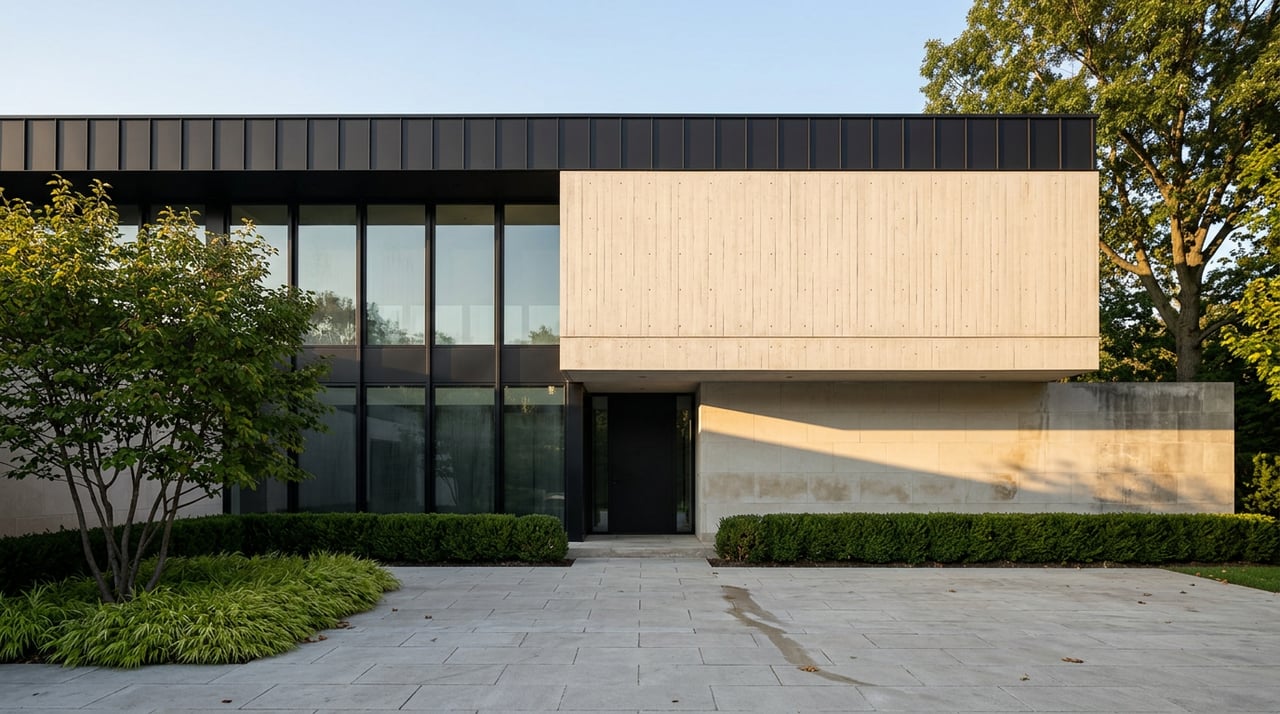
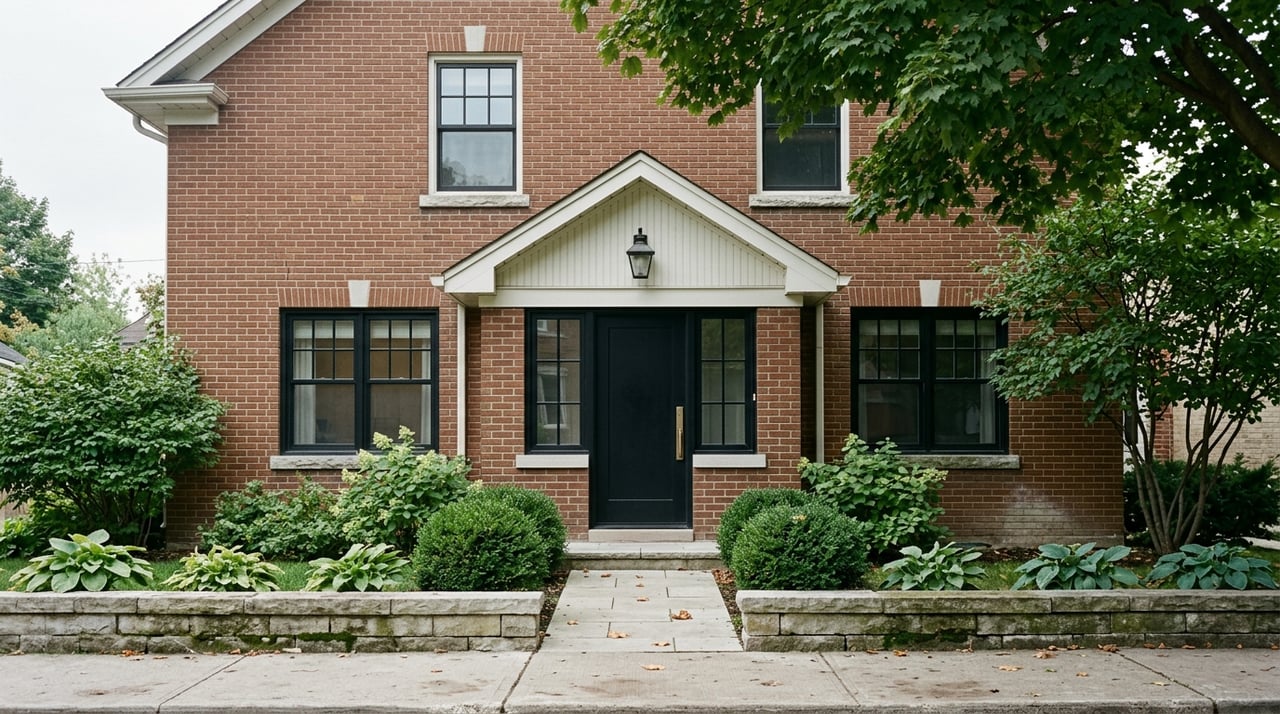
Forest Hill and Rosedale are well suited to discreet sales for a few practical reasons. The housing stock in these areas is older and established, and many homes sit within low-rise streetscapes with mature trees, ravines, and long-standing residential character.
The City of Toronto notes that University-Rosedale has 40.1% of dwellings built in 1960 or earlier, while Toronto-St. Paul’s reports 36.8%. Older neighbourhood profile data also shows Forest Hill North with 49% single-detached homes and 66% pre-1960 construction, and Rosedale-Moore Park with 48% single-detached homes and 45% pre-1960 construction, according to City neighbourhood profiles.
The physical setting also plays a role. The City describes Rosedale as an early picturesque suburb with curving streets, mature tree canopy, park-like lots, and historic architecture. Planning documents for the Forest Hill Village area also reference a nearby mix of low-rise housing, ravines, and parks. In settings like these, some sellers may prefer a quieter process with more control over who tours the home and when.
The biggest advantage of off-market buying is access. You may learn about a property before it launches publicly, or you may get a chance to consider a home that never appears on the open market at all.
The other advantage is privacy. A quieter process can feel more manageable for both sides, especially when timing, family logistics, or discretion matter.
But off-market does not automatically mean a better deal. CREA’s white paper on pocket listings notes that reduced exposure can limit competition, but it can also reduce price discovery and the quality of comparable data. In other words, less competition does not guarantee a discount.
That point matters in the current market. TRREB’s March 2026 Market Watch reported 5,039 GTA sales, up 1.7% year over year, with an average selling price of $1,017,796, down 6.7% year over year. In a market where public listings may already offer negotiating room, the main value of an off-market opportunity is usually access and timing, not a guaranteed bargain.
If you are searching in Forest Hill North or nearby Rosedale streets, the most helpful mindset is this: off-market can widen your options, but it does not replace disciplined buying. The win is often that you get a shot at a property that fits your goals before the broader market sees it.
That can be especially helpful if you are relocating, upsizing, or looking for a home with a very specific footprint or lot type. In established central Toronto neighbourhoods, the right house may be hard to replace, so access itself can be meaningful.
At the same time, older homes often come with more moving parts. Heritage context, permit history, ongoing maintenance, and future renovation plans all deserve extra attention before you commit.
Many buyers imagine off-market homes being passed around casually, but the process is more structured than that. Private inventory is usually shared through brokerage networks, office channels, or direct professional communication between REALTORS.
Trust and consent are central to that process. RECO explains that confidential client information cannot be shared outside the brokerage without written consent, which helps explain why legitimate off-market access depends on proper authorization and professional relationships.
For you as a buyer, that means preparation matters. If you want to be considered for private opportunities, you need to be clear on your criteria, financing position, timing, and decision-making process.
Off-market homes often move quickly because the audience is small and targeted. Being prepared helps you act thoughtfully without feeling rushed.
You will usually want the following lined up before you start:
This is not about being aggressive for the sake of it. It is about being organized enough to evaluate a private opportunity with confidence.
One of the biggest mistakes buyers make is assuming that a quieter deal should also be a simpler one. In reality, due diligence becomes even more important when a home has not been broadly exposed to the market.
Ontario’s consumer guidance says a home inspection is a visual review of major systems, and the findings can help you negotiate repairs, adjust price, or walk away. RECO also warns that skipping an inspection to stay competitive is risky.
That is especially important in neighbourhoods with older housing stock. Systems may have been updated over time, but age alone means you should look carefully at structure, roofing, mechanicals, drainage, and signs of deferred maintenance.
Your lawyer plays a major role in protecting you during any purchase, including an off-market one. According to LAWPRO’s buying and selling guide, a buyer’s lawyer handles title and off-title searches and helps review key costs and issues such as title insurance, surveys, and whether your intended use is allowed.
That last point can be crucial if you are planning renovations, an addition, or a rental component. LAWPRO also flags common buyer mistakes such as ignoring permit status, failing to confirm the legality of a rental unit, and relying only on title insurance.
In short, if a house feels unique, your review should be more thorough, not less. Character and complexity often go hand in hand.
In Forest Hill and Rosedale, many homes have been improved over decades rather than rebuilt all at once. That can create wonderful spaces, but it can also mean a patchwork of updates, additions, and system changes over time.
If you are considering a private purchase, ask the right questions early. You will want to understand what work was completed, whether permits were obtained where required, and whether your future plans align with the property’s current condition and legal status.
This is one reason local knowledge matters. In established neighbourhoods, buying well often comes down to understanding the details behind the architecture, lot, and long-term potential.
Once a deal is firm, do not treat the final walkthrough as a formality. RECO advises that a pre-closing visit is your last chance to verify the property’s condition, major systems, and any agreed repairs before closing.
That step is important in any purchase, but it can be especially important in a quieter transaction where your market context may have been narrower from the start. You want to confirm that the home is in the condition you expected and that nothing has changed before funds are released.
For the right buyer, yes. If your search is focused on central Toronto detached homes, lifestyle-driven moves, or hard-to-find properties, off-market access can be a smart part of the strategy.
The key is to see it as one lane of the search, not a shortcut. It can create opportunity, but it works best when paired with pricing discipline, careful due diligence, and patient decision-making.
If you are exploring private opportunities in Forest Hill or Rosedale, working with someone who understands the local housing stock, the rhythm of these neighbourhoods, and how to evaluate value behind the scenes can make the process feel much more grounded. If you want a calm, strategic approach to your search, connect with Claire Speedie to start your next move with clarity.

Claire has a keen interest in investment properties and looks forward to continuing to help her clients build their real estate investment portfolios.