Downsizing In Deer Park: Moving From House To Condo
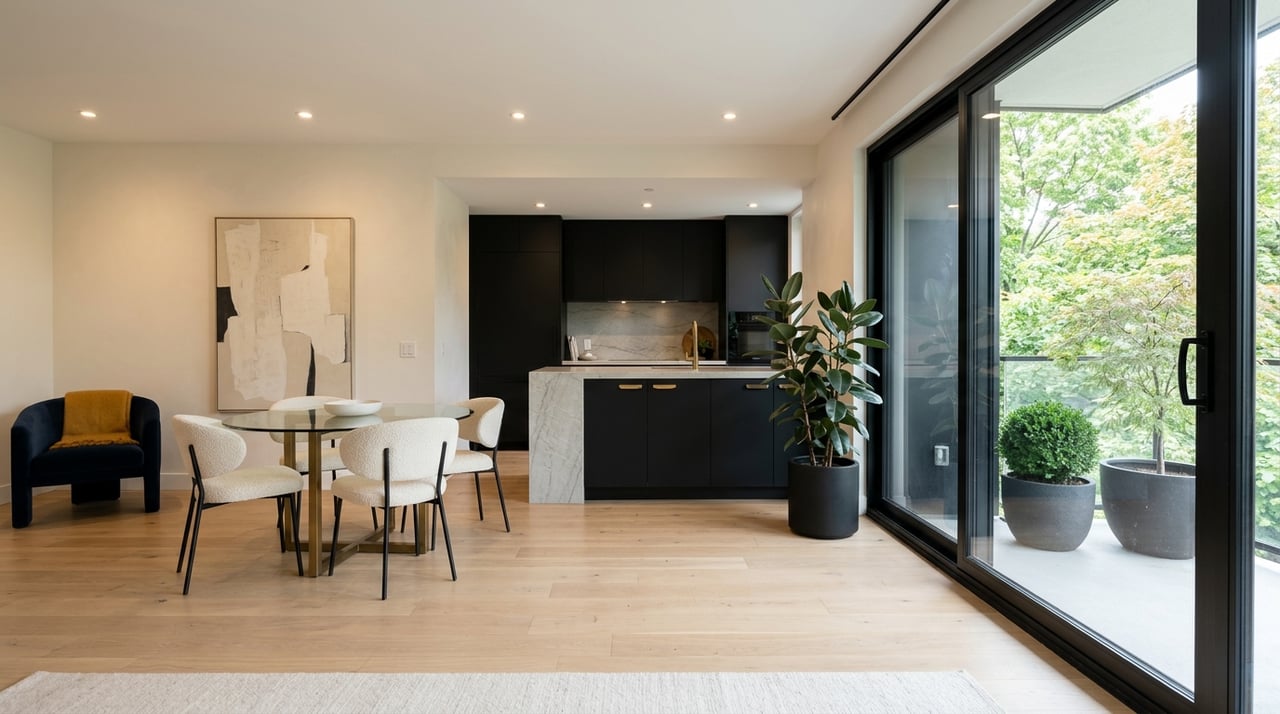
Thinking about leaving behind the stairs, yard work, and never-ending house maintenance, but not ready to leave Deer Park? You are not alone. For many long-time homeowners, moving from a house to a condo is less about scaling back and more about simplifying life while staying connected to a neighbourhood they know and love. This guide will help you understand what makes Deer Park a strong place to downsize, what changes when you move to condo living, and how to plan the transition with more confidence. Let’s dive in.
Deer Park offers a practical mix of convenience and familiarity that can make a house-to-condo move feel less like a major disruption. Centered around Yonge and St. Clair, the area is defined by a mix of residential, commercial, and institutional uses, along with parks and open space.
That matters when you are downsizing. You can reduce the work that comes with a house while staying close to daily essentials, transit, and green space. In Deer Park, that often means keeping your routine, your favourite streets, and your sense of place.
Another major advantage is transit access. The area is served by St Clair Station, with accessible subway and streetcar access, plus bike lock-up and Bike Share features. If your goal is to rely less on a car or simply make day-to-day errands easier, that can be a meaningful lifestyle shift.
The neighbourhood also offers access to nearby outdoor space, including David A. Balfour Park, Vale of Avoca Ravine, Oriole Park, and the Rosehill Reservoir. For many homeowners, that combination of city convenience and park access is a big reason to stay local while choosing a lower-maintenance home.
The biggest change is simple: many upkeep responsibilities shift from you to the condominium corporation. Instead of handling exterior maintenance, shared building systems, or common-area cleaning yourself, those costs and responsibilities are managed through the building.
That does not mean condo living is maintenance-free. It means maintenance is shared. You will still be responsible for your own unit, but common elements like hallways, lobbies, elevators, parking garages, and recreation spaces are funded through common expense fees.
This is often the trade-off that makes downsizing appealing. You may gain a more carefree day-to-day lifestyle, but you also accept shared costs and less direct control over how the building is run.
Condo fees, often called maintenance fees, pay for the building’s common elements and shared services. Depending on the building, that can include:
Your share of these expenses is set out in the condominium’s declaration. Unit size, parking, and a locker can all affect how much you pay.
It is also important to remember that you pay for common elements whether or not you use every amenity. If a building has features you do not expect to use often, it is worth asking whether the monthly cost still makes sense for your lifestyle.
One of the most important parts of condo ownership is the reserve fund. This fund is meant for major repairs and replacements of common elements and assets, not routine upgrades or cosmetic wish lists.
Ontario requires periodic reserve fund studies to help determine whether the fund is adequate. For a buyer, that matters because a well-managed reserve fund can reduce the risk of surprise costs.
If a condominium corporation cannot cover its costs, owners may face a special assessment. That is one reason document review is so important before you commit to a resale condo in Deer Park.
If you are moving from a house, it helps to think beyond square footage. Downsizing works best when you understand what you are gaining and what you are giving up.
Here is the practical difference many homeowners feel most:
| House Living | Condo Living |
|---|---|
| You handle most upkeep directly | Many shared upkeep tasks are managed by the condo corporation |
| More control over repairs and decisions | Shared decision-making for common spaces and building operations |
| Costs can be less predictable and tied to the property | Monthly common expenses are recurring and structured |
| More indoor and outdoor space to manage | Smaller footprint with less day-to-day maintenance |
For many Deer Park homeowners, the appeal is not just a smaller home. It is having a home base that supports a simpler routine.
Deer Park condo options are best understood through the broader Yonge and St. Clair area. This is not a neighbourhood with one single condo format or one type of buyer.
City planning materials point to a mixed-use pattern that includes larger high-rise options as well as more compact urban-format projects. Recent city notices also show condominium-oriented development at very different scales, which suggests buyers may find a range of building styles, layouts, and amenities in and around the area.
For you, that means the search should focus less on a generic idea of “a Deer Park condo” and more on the kind of lifestyle you want. Some buyers want full-service high-rise living close to transit. Others want a lower-maintenance home base that still feels connected to established residential streets and nearby green space.
A smart downsizing move starts with clarity. Before you look at finishes or views, define what you need your next home to do for you.
Start with the practical pieces:
These questions matter because monthly costs are not just about purchase price. Parking, lockers, amenities, and the building’s operating structure can all affect your long-term carrying costs.
When you buy a resale condo, document review is one of the most important parts of the process. It helps you look beyond the unit itself and understand the health of the building.
The key items to review include:
This step is especially important for downsizers who want predictability. A beautiful suite can still come with financial or operational concerns if the building is not being managed well.
If you are moving from a house to a condo in Deer Park, timing matters almost as much as price. The goal is usually to reduce overlap, avoid unnecessary stress, and make the move feel coordinated rather than rushed.
A practical sequence often looks like this:
Know what you need before you start making decisions about timing. That includes your budget, preferred layout, must-have features, and comfort level with monthly fees.
As you search, look at more than finishes and staging. Compare fees, reserve fund strength, and building documents so you understand the full picture.
Before you remove conditions or make a firm commitment, review the status certificate, financial statements, and any signs of litigation or special-assessment risk. This is where careful due diligence can protect you.
Your house sale and condo possession date should work together as smoothly as possible. Good planning can help reduce disruption, limit carrying-cost overlap, and make move-in easier.
Market conditions can shape your strategy, especially if you are selling one property and buying another at the same time. In Q4 2025, TRREB reported that the average condo apartment selling price was $690,607 in the City of Toronto and that buyers were benefiting from more negotiating power.
That does not tell you what any one Deer Park condo will sell for, but it does provide useful context. If condo buyers have more room to negotiate, timing and offer strategy may matter even more in a house-to-condo transition.
This is where a measured, local approach can help. Downsizing is rarely just a financial decision. It is also about matching your next home to the way you want to live.
Downsizing can bring a surprising mix of relief and emotion. You may be excited about simplifying life, but still unsure about giving up space, storage, or the familiarity of a long-time home.
That is why the best transitions start with a clear plan. When you understand the costs, the building documents, and the lifestyle trade-offs, you can make choices that feel grounded instead of rushed.
In Deer Park, that often means you do not have to choose between convenience and connection. You can stay close to the neighbourhood patterns you already value while stepping into a home that asks less of your time and energy.
If you are considering a move from house to condo in Deer Park, Claire Speedie can help you plan the transition with calm, strategic guidance tailored to your next chapter.


Claire has a keen interest in investment properties and looks forward to continuing to help her clients build their real estate investment portfolios.