Lytton Park Detached Homes: Market Trends And Buyer Insights
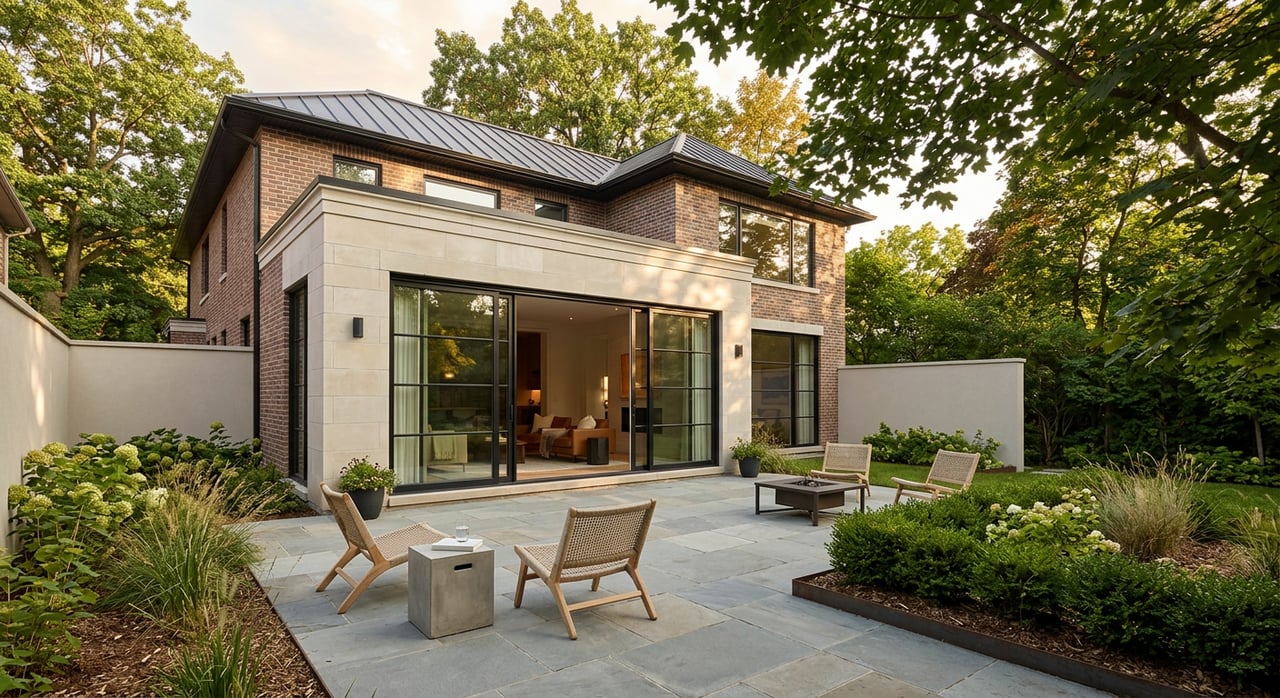
Thinking about upsizing into Lytton Park? You are not alone. This midtown pocket draws buyers who want generous lots, a classic streetscape, and access to public transit and well-regarded schools. In this guide, you will see what detached homes typically offer here, how the market is moving in early 2026, and the strategies that help you buy with confidence. Let’s dive in.
Lytton Park sits north of Eglinton, roughly between Yonge Street and Avenue Road, with quiet, low-rise streets and a mature tree canopy. The area is known for an active community voice around planning and heritage, which you can see in the Lytton Park Residents’ Organization overview. Many buyers also value proximity to the Yonge subway line and the retail corridors on Yonge and Avenue.
Families often consider addresses near public schools such as John Ross Robertson, Bedford Park, and John Wanless. You will also find nearby private school options. Always confirm attendance boundaries and program details directly with the school boards.
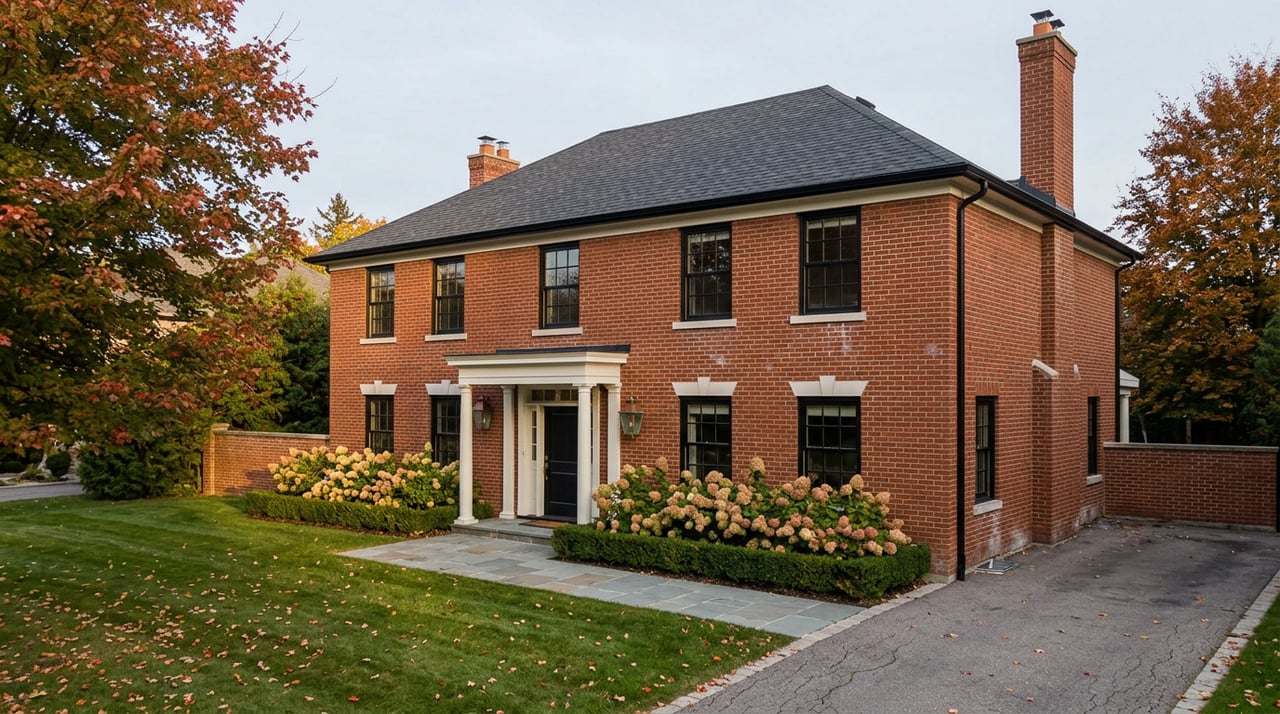
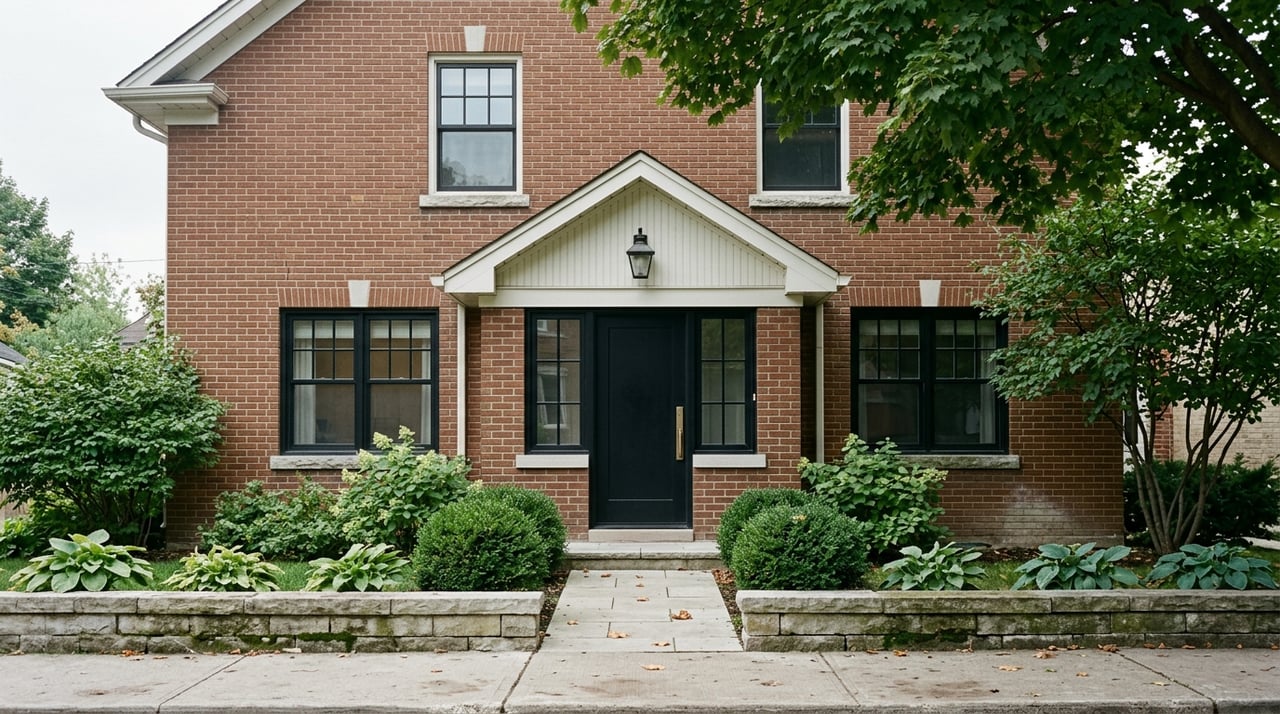
Most detached homes were built in the early 1900s with Edwardian, Georgian, or Tudor influences. Many have been renovated or fully rebuilt, so you will see a mix of character, modernized interiors, and new construction on established streets. Expect variety in condition. Turnkey homes show well and may trade quickly. Larger or dated homes often need a thoughtful renovation plan.
Lot sizes are a major draw. You will often see frontages around 50 feet with deep yards. Examples in recent listings include approximately 50 by 135 feet, and some stretch to depths in the 170 to 190 foot range. Not every lot matches these numbers, but this scale supports additions, gardens, and even full rebuilds where permitted.
What it means for you: conditions shifted between tighter and more balanced in early 2026. Well-priced, renovated homes can still see strong interest. Properties that need major work often sit longer and may present negotiation room.
The Greater Toronto Area cooled from the pandemic peak, with lower sales and softer pricing reported through 2024 and 2025. That backdrop gave buyers more leverage in many segments. You can see this broader picture in BNN Bloomberg’s coverage of TRREB trends.
Financing conditions also improved. The Bank of Canada’s January 28, 2026 announcement noted a 2.25% policy rate, which was lower than the 2022 to 2023 peak and helped lift purchasing power for qualified buyers. Lytton Park is a premium pocket, so local dynamics can differ from the GTA composite, but the rate path and broader sentiment still shape your leverage and timing.
In the upper tier, price dispersion is wide. In early 2026, family homes and high-quality renovations traded in the 3 to 6 million range, and top rebuilds on large lots reached 5 million plus. This range is why a single neighborhood median can hide big differences in value.
A written, credit-reviewed pre-approval with a rate hold strengthens your position in this price band. The macro rate path supports affordability, but lender-specific guidelines and stress-test rules still apply. Have your documentation tight before you tour.
Ontario’s updated rules under TRESA changed how multiple offers are handled. Sellers must disclose the number of registered offers, and they may choose to disclose offer details. Review the RECO bulletin on offer presentation so you know what to expect.
Deposits on Ontario resale purchases are often around 5% of the purchase price, though they can be higher for luxury or highly competitive listings. Confirm norms for the specific property and price range. For background on Canadian real estate practices, see the Blakes guide.
Escalation clauses and pre-emptive offers still appear in midtown. They need careful drafting, and TRESA’s disclosure options can affect strategy. Coordinate the language with your lawyer and your agent so you do not overextend.
Use conditions intelligently rather than waiving by default. If you must compete with a firm bid, look for pre-closing protections like title insurance and a clean lawyer review. When removing conditions, use the standard OREA waiver or notice forms, such as the OREA form reference.
Use this list before you go firm, or immediately after acceptance if you have short conditions.
Because so much of the housing stock is early 20th century, you should test two paths early in your search. If you want a turnkey home, focus on renovated listings and be prepared for firmer pricing. If you are open to upgrades, set a realistic renovation plan with your contractor and keep an eye on timelines that align with your closing date.
Rebuilds or large additions require added homework on zoning, Committee of Adjustment processes, trees, and potential heritage flags. Start your feasibility checks early and confirm what the City will allow before you remove conditions.
At this price band, transaction costs are meaningful. In Toronto, you will pay provincial LTT and a matching municipal LTT. For very high-value purchases that close on or after April 1, 2026, the City’s new MLTT tiers may apply. Review scenarios with your lawyer and accountant in advance, and use the Ontario land transfer tax guidance as a starting point.
Buying in Lytton Park calls for local context, strong comparables, and a clear offer plan. You get all three with a boutique, high-touch approach supported by a top-tier brokerage network. We forecast competitive pressure by property type, line up your due diligence early, and help you write the cleanest offer you are comfortable with. If you want access to select off-market opportunities, we will curate options that fit your brief.
If Lytton Park is on your shortlist, let’s build a plan around timelines, financing, and the specific streets you love. Start a conversation with Claire Speedie to move forward with clarity and confidence.

Claire has a keen interest in investment properties and looks forward to continuing to help her clients build their real estate investment portfolios.