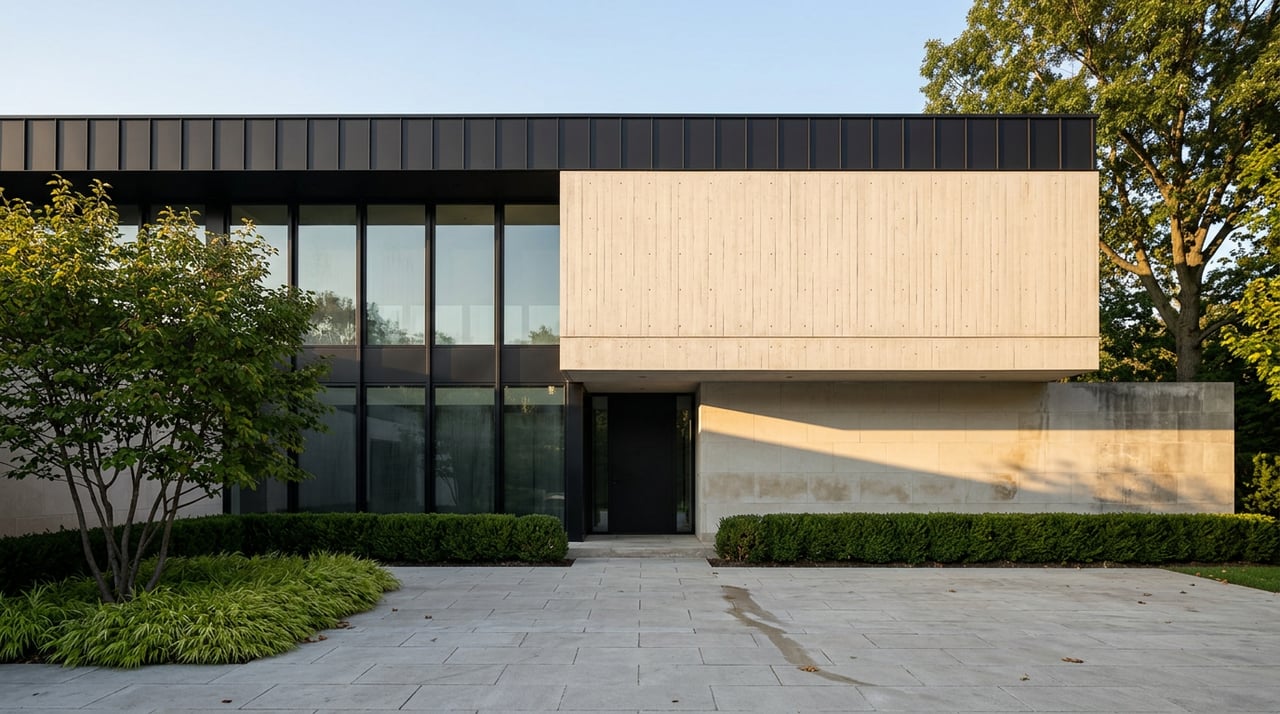
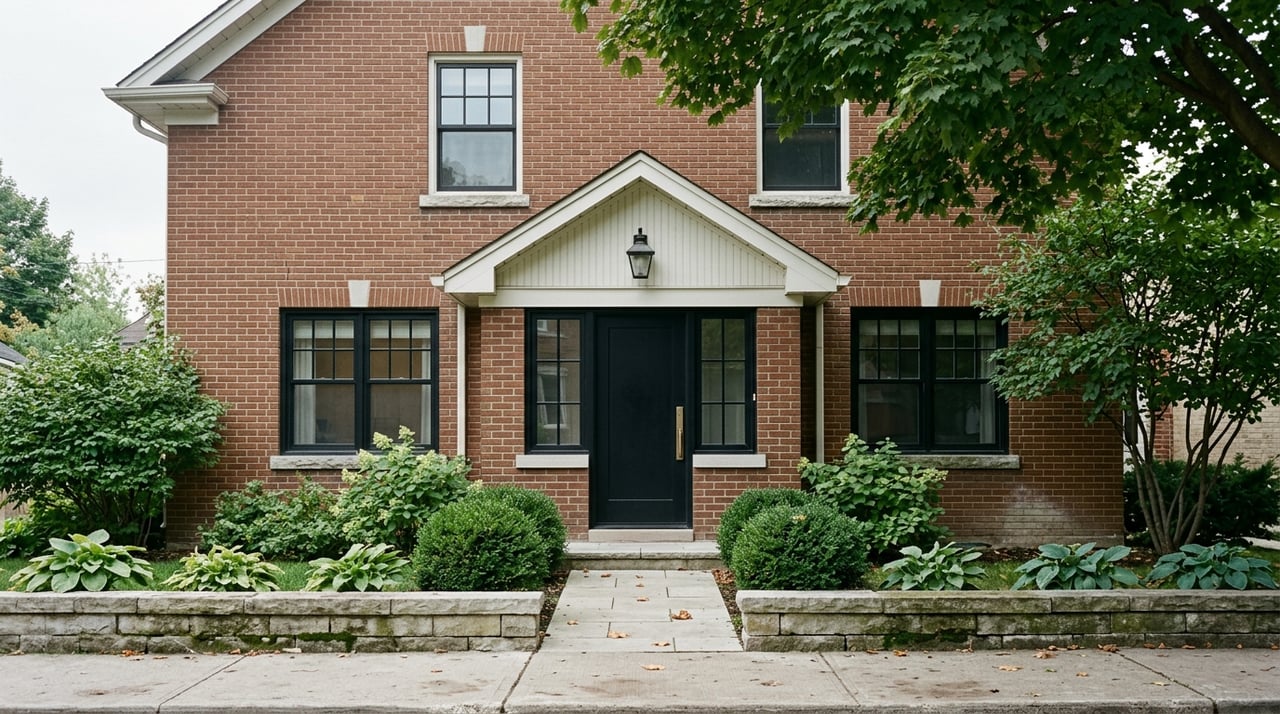
If you love the charm of a 1920s Tudor or Georgian home, Chaplin Estates is likely on your list. These houses have character in spades, but they also come with older systems and unique renovation needs. With the right plan, you can preserve what you love and update what matters for safety, comfort, and value. In this guide, you will learn what to expect, how to budget, and which steps to take before and after you buy. Let’s dive in.
Chaplin Estates at a glance
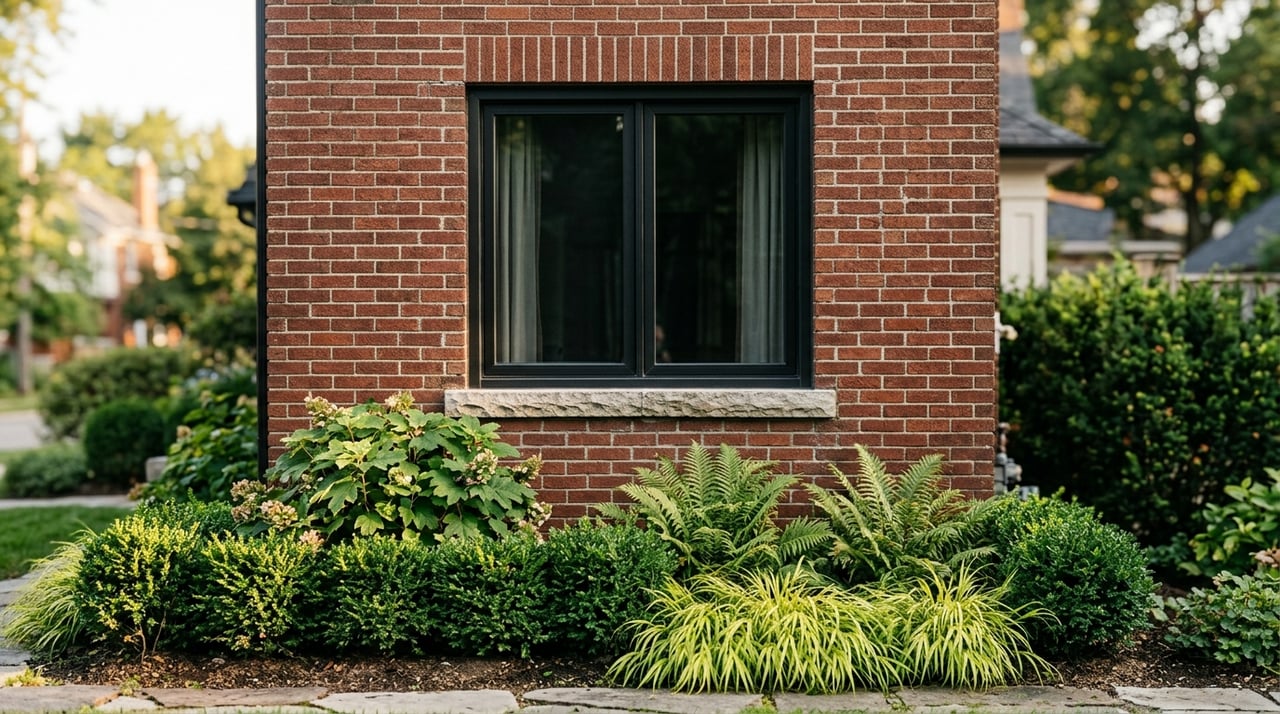
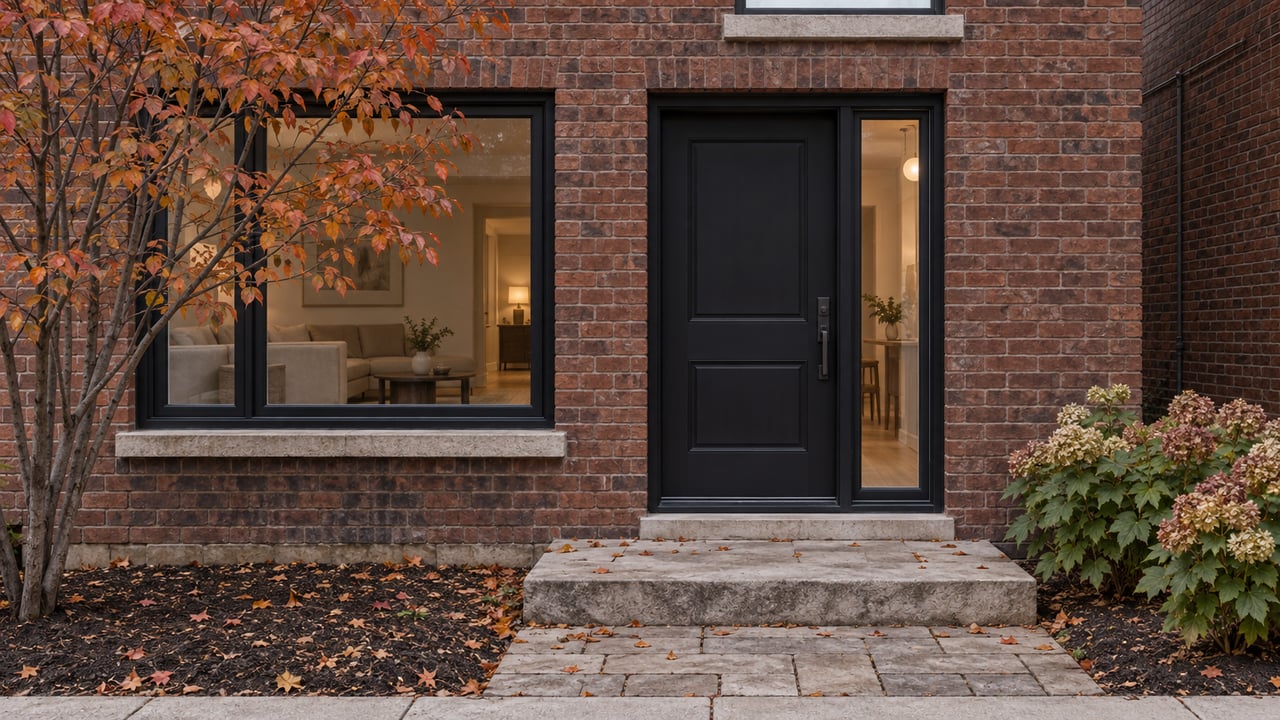
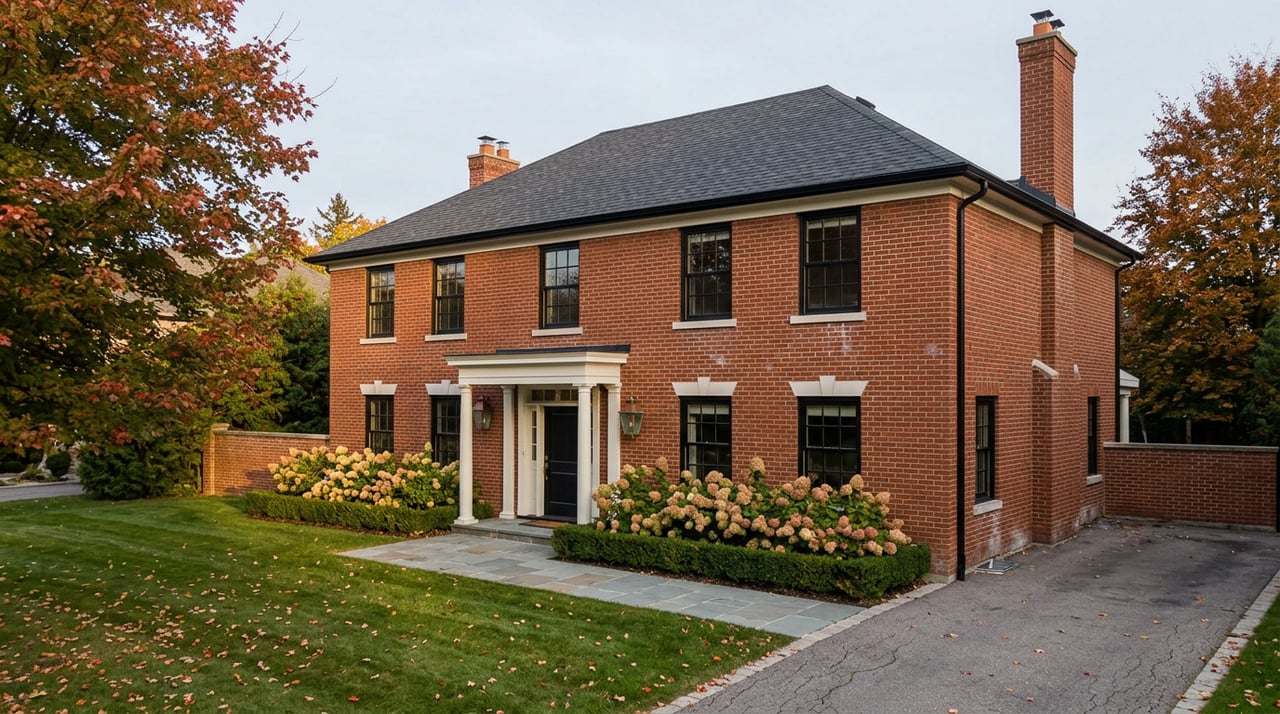
Chaplin Estates sits just south of Eglinton, west of Yonge and east of Avenue Road in midtown Toronto. The area was subdivided in 1913 and largely built in the 1920s and 1930s, which is why you see estate-style detached homes with strong period appeal. The City describes these homes as Tudor Revival, Georgian Revival, and English Cottage forms with steep gables, brick or stone details, and substantial chimneys, all of which define the neighbourhood’s character. You can read more about the area’s built form in the City’s planning report on potential Heritage Conservation Districts for midtown pockets of Toronto, including Chaplin Estates.
- Source: See the City’s overview of Chaplin Estates’ period character and architecture in the planning staff report.
Given the construction era, you should expect a high share of pre-1960 housing. That usually means older electrical, plumbing, and drainage systems that may need upgrades during your ownership.
What to expect in older homes
Older Chaplin Estates properties often feature period details that buyers want to keep. Knowing what is behind the walls helps you plan a renovation that respects the house while modernizing the essentials.
- Exterior character: brick or stone lower walls, stucco and half-timber accents, multi-pane or leaded windows, steep gables, and notable chimneys. These elements are worth preserving where possible. City description of character.
- Interiors and finishes: original hardwood floors, plaster walls and ceilings, decorative mouldings, built-ins, formal staircases, and multiple fireplaces. Repairs are often more hands-on than modern replacements, so plan time and budget accordingly.
- Foundations and basements: stone, brick, or early poured concrete foundations are common. Older drainage can lead to dampness or seepage if not maintained. A sewer scope and careful basement review help you avoid surprises.
- Mechanical systems: you may encounter original or mid-century wiring and panels, older boilers or furnaces, and galvanized or lead water service on the private side. These systems are typical priorities for early upgrades.
Renovations that add value
Your goal is to modernize safety and comfort while keeping the character that makes these homes special. Here are the top projects most buyers tackle first.
Electrical safety and capacity
If a home still has knob-and-tube or aluminum wiring, plan for upgrades. Many insurers require replacement or an Electrical Safety Authority inspection before they will bind or renew coverage. Upgrading the panel and adding circuits also supports modern kitchens and air conditioning. Learn more in the ESA’s homeowner guidance on knob-and-tube wiring.
Water service and drains
Houses built before the mid-1950s can have lead service lines on the private side. The City recommends coordinated replacement of the private and City sides to reduce temporary lead spikes during work. Review testing options and programs on the City’s Lead and Drinking Water page. Inside the home, older cast-iron or clay drains may need repair or trenchless relining.
Basements and flood protection
Basements are prime spaces to finish, especially if you want a family room, office, or guest suite. Combine finishing with drainage protection where needed, such as a backwater valve, sump pump, or updated weeping tile. Toronto offers a Basement Flooding Protection Subsidy Program for eligible measures.
Kitchens and bathrooms
Updated kitchens and baths improve function and future resale. If you plan to remove walls, enlarge windows, add a bathroom, or change structure, you will likely need permits. Check City guidance on when permits are required at BuildSafeTO.
Comfort and energy efficiency
Once electrical work is done and walls or ceilings are open, consider adding attic insulation, air sealing, and a high-efficiency boiler or furnace. Many older homes benefit from ductless mini-splits or central AC. Ask your contractor what energy upgrades make sense during your planned scope.
Typical costs and timelines
Renovation costs vary by size, access, finishes, and hidden conditions. Use the ranges below for early budgeting, then confirm with local quotes.
- Electrical full-house rewire for an older 2 to 3 bedroom house: often reported at about CA$10k to CA$25k in Toronto, depending on size and access. See a local guide to rewiring costs.
- Bathroom renovation: many small or standard bathroom updates fall in the CA$8k to CA$20k range in Toronto, with primary suites costing more. See marketplace averages from HomeStars.
- Kitchen renovation: a cosmetic refresh can run about CA$15k to CA$40k. A full-gut mid-range kitchen can range from CA$40k to CA$100k or more, with bespoke or structural projects above that. See a Toronto cost summary in this renovation costs guide.
- Basement finishing: expect a broad range based on scope, from CA$30k to CA$120k or more, especially if you add a bathroom, separate entrance, or structural work. See the same Toronto renovation costs guide.
- Sewer lateral repair or trenchless relining: commonly cited at CA$4k to CA$15k or more, depending on site conditions. Learn how trenchless methods compare in this sewer repair overview.
Timing varies with scope. Cosmetic projects or single rooms can take weeks. Full rewires, structural changes, or additions usually take months and require design time, permit review, and staged inspections. Toronto Building’s permit timing depends on the application stream, so build that lead time into your schedule.
Smart inspection checklist
Bring a qualified home inspector, then add specialists as needed. Use this checklist to focus on the big items in older homes.
- Electrical: look for active knob-and-tube, aluminum wiring, old fuse panels, or undersized service. Insurers may require an ESA inspection or rewiring. Review ESA’s guidance on knob-and-tube wiring.
- Panel capacity: confirm the panel can support modern kitchen circuits, air conditioning, and possibly an EV charger. If upgrades are needed, factor panel, meter, and service work into your budget.
- Plumbing and water service: check for private lead service, galvanized supply, and aging cast-iron stacks. The City’s Lead and Drinking Water page explains testing and replacement programs.
- Sewer lateral and drainage: request a camera inspection before closing. Root intrusion or joint failure in older clay or cast-iron lines can be costly to fix.
- Foundation and structure: note any significant settlement, bowed walls, or signs of underpinning. If you plan to remove a wall, you will need engineer-stamped drawings and permits.
- Roof and chimneys: slate or older roofing and tall masonry chimneys often need specialist attention. Ask about the roof’s age and expected remaining life.
- Hazard materials: older homes can have asbestos or lead paint. Use targeted testing and hire licensed abatement pros if removal is required.
- Permits history: ask the seller for permit records. Missing permits can affect financing and future resale. Start with the City’s BuildSafeTO guidance to understand permit requirements.
Permits and heritage considerations
Many renovations in Toronto require permits. Structural changes, new bathrooms, basement conversions, window enlargements, and exterior additions typically trigger building permits and inspections. Electrical work requires notifications and inspections through the Electrical Safety Authority, which your Licensed Electrical Contractor will handle.
Some Chaplin Estates homes may be listed or designated under the Ontario Heritage Act. If your property is on the City’s Heritage Register or in a Heritage Conservation District, exterior changes and any work that affects heritage attributes can require a heritage permit and a conservation plan. Start early with Toronto’s Heritage Permit Guide, and coordinate with your architect or heritage consultant.
City programs can help. For example, the Basement Flooding Protection Subsidy Program supports eligible drainage measures, and the City’s Lead and Drinking Water resources explain how to coordinate lead service line replacements.
Build your A-team
Buying and renovating an older home works best when you assemble the right experts and define roles clearly.
- Real estate agent with Chaplin Estates experience: you want someone who understands period homes, typical system upgrades, and the local planning context.
- Home inspector: choose an experienced local inspector who follows CAHPI standards. Use the general inspection to flag items, then book targeted follow-ups with an electrician, plumber, or structural engineer.
- Licensed Electrical Contractor: assess wiring type and panel capacity, plan ESA notifications, and provide a phased upgrade path if you need to rewire.
- Plumber: camera the sewer lateral, check service material, and estimate backwater valve or sump options.
- Structural engineer or OAA-registered architect: required for structural changes, underpinning, and complex permit drawings.
- General contractor or design-build firm: pick a team that has renovated older Toronto homes and can protect period features during construction.
- Heritage consultant: if the property is listed or designated, involve a consultant early to streamline applications and conservation plans.
Ask each pro: licences and insurance, examples of similar work, references, a written scope with phased estimates, timelines, who pulls permits and coordinates inspections, and warranty or holdback terms.
Budgeting and planning tips
- Put due diligence in your offer: make your offer conditional on a home inspection, sewer scope, and, if needed, targeted electrical or plumbing assessments. Knob-and-tube, lead pipes, and sewer issues are common negotiation levers.
- Plan a healthy contingency: for older homes, a 10 to 25 percent contingency is prudent because hidden conditions behind plaster or below grade are common.
- Prioritize systems first: even if you love the finishes, plan early for electrical, water service, drainage, and insulation. These upgrades pay off in safety, comfort, and resale confidence.
- Phase your work: you can often rewire in phases, align plumbing work with kitchen or bath updates, and combine insulation with other open-wall projects.
- Preserve key character: refinish original hardwood, repair plaster, and restore millwork where practical. Pair restored details with modern kitchens, baths, and lighting for the best of both worlds.
Next steps for Chaplin Estates buyers
If you are drawn to Chaplin Estates, you are likely balancing period charm with a smart update plan. Start with a thorough inspection, line up quotes for the big-ticket systems, and map your permit path early. When you are ready to explore homes and weigh renovation scenarios, connect with a local expert who can guide you through both the purchase and the plan.
Ready to find your fit in Chaplin Estates and renovate with confidence? Reach out to Claire Speedie for neighbourhood-savvy advice, tailored property tours, and a clear plan from offer to move-in.
FAQs
Can I insure a home with knob-and-tube wiring?
- Some insurers decline or surcharge homes with active knob-and-tube. Many underwriters ask for an Electrical Safety Authority inspection or require full or partial rewiring. Check early with your insurer and plan upgrades if needed. See ESA’s guidance on knob-and-tube wiring.
Do I need a sewer scope before buying an older house?
- Yes. Many older homes use clay or cast-iron laterals that can have root intrusion or joint separation. A camera inspection before closing helps you budget for repair or trenchless relining if needed. Typical Toronto costs are outlined in this sewer repair overview.
How much contingency should I budget for renovations?
- Plan 10 to 25 percent of your renovation budget as contingency for older homes. Hidden conditions like rot, asbestos, or drainage issues can surface once walls or floors are opened.
What should I ask the seller to provide before I commit?
- Request permit records, mechanical service invoices, documentation for any past oil tanks, and reports from previous renovations. Missing permit history should trigger follow-up with Toronto Building at BuildSafeTO.