Preparing Your Deer Park Home For A Successful Sale
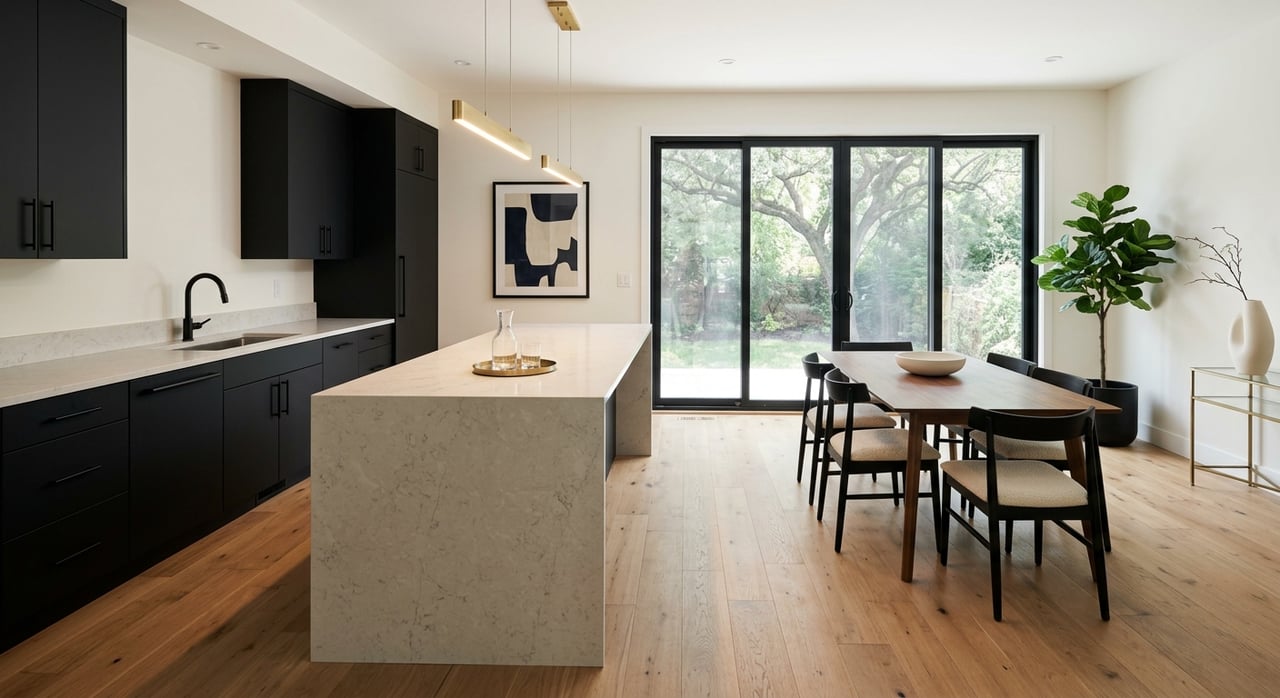
Getting ready to sell in Deer Park is about more than tidying up. In a neighborhood with Victorian and Edwardian houses, apartment buildings, and condo-style living near the Yonge-St. Clair corridor, buyers can be comparing very different types of homes at the same time. If you want your property to stand out, you need a plan that fits both the market and your home. Let’s dive in.
Deer Park is not a one-note housing market. The City of Toronto describes the area as a mix of historic houses, 20th-century apartment buildings, and commercial activity around Yonge-St. Clair, which means buyers may be weighing charm, scale, efficiency, and convenience all at once. That makes thoughtful preparation especially important because your home needs to present clearly within a mixed local market.
The current market also raises the bar for presentation. In TRREB’s February 2026 market update, GTA sales were down year over year, new listings had fallen, and average prices were lower than a year earlier. TRREB also noted that City of Toronto condo buyers had more negotiating power in late 2025, which means clean presentation, accurate pricing, and move-in-ready condition can make a meaningful difference.
Before you spend money, start with the improvements most likely to help buyers respond well. In most Deer Park homes, the strongest prep work is usually maintenance-level rather than renovation-level. Think clean, bright, cared-for, and easy to understand.
The most useful updates often include:
If you own an older house, try to preserve the features that give it character. Original woodwork, ceiling height, window proportions, and period details can be part of the appeal. The goal is not to strip away personality, but to remove visual noise so buyers can notice the home itself.
Preparation is not just about looks. According to RECO’s seller checklist, you should also make sure your listing information is accurate and documented before launch. That includes reviewing details carefully and having any relevant records organized in advance.
RECO also recommends removing valuables and personal information before showings or open houses. Once your home is on the market, many people may walk through it. A calm selling process starts with good boundaries, clear showing plans, and practical steps to protect your privacy.
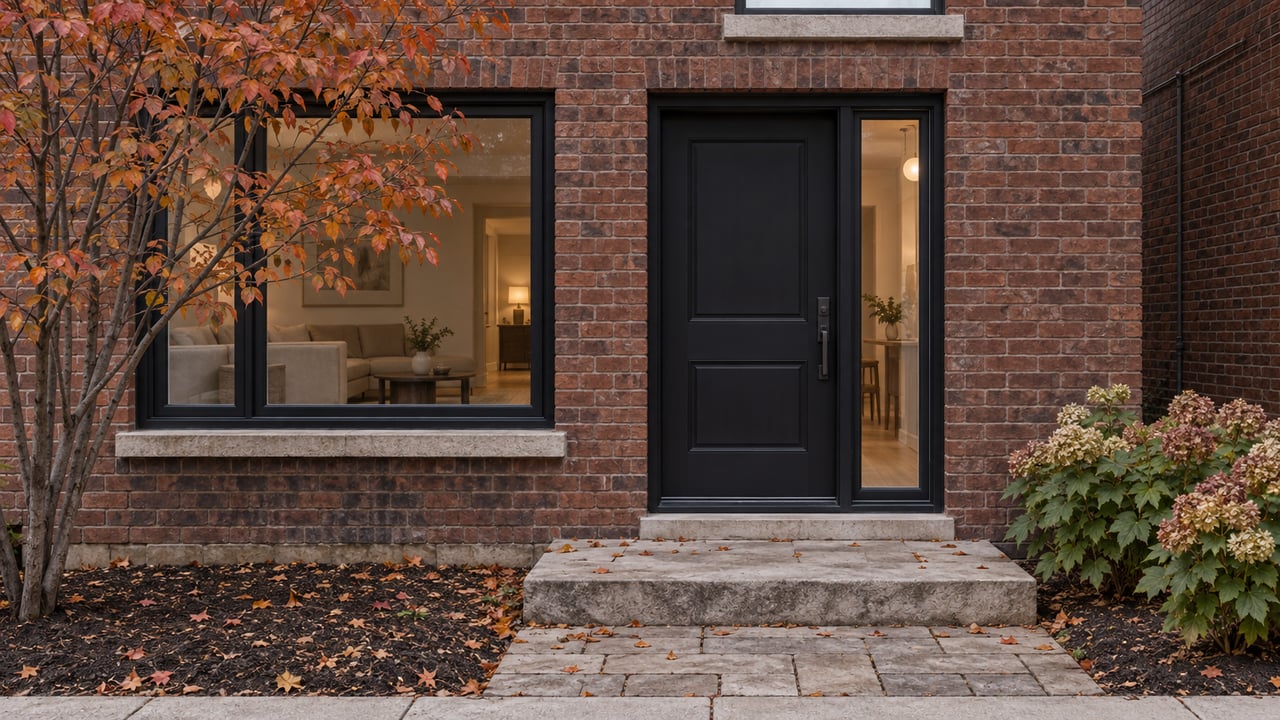
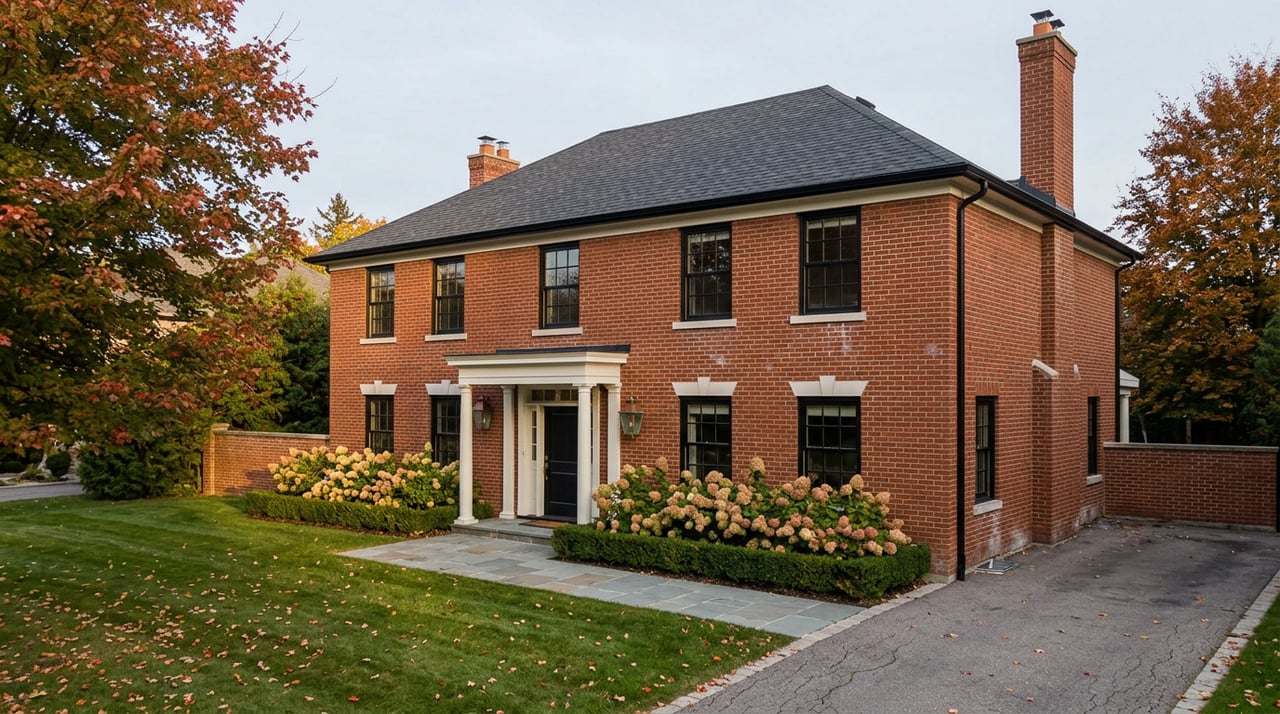
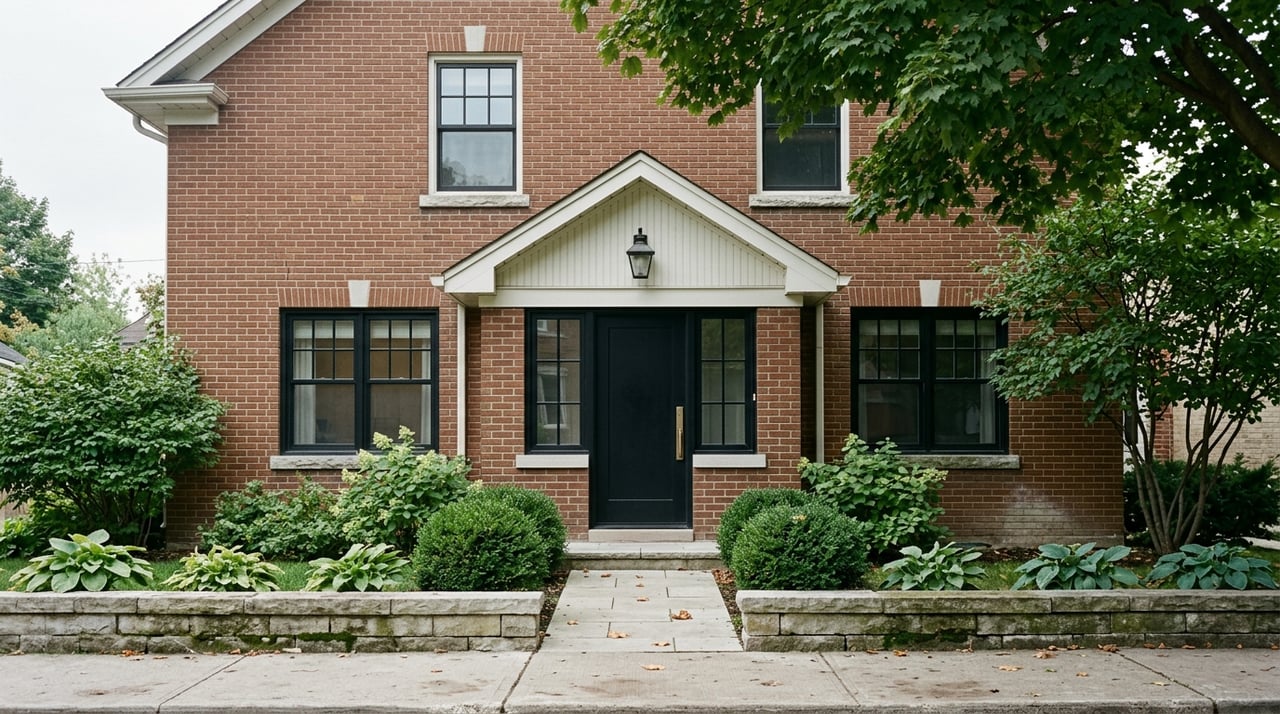
If you are selling a detached or semi-detached home, buyers will notice the exterior before they ever step inside. That first impression sets the tone, especially in a neighborhood where house-form properties often carry strong visual character. A tidy, well-kept front approach can signal that the home has been cared for overall.
When time or budget is limited, put extra effort into the spaces buyers tend to focus on first:
For these homes, curb appeal matters. Clean up the front door, mailbox, walkway, railings, and landscaping. Inside, simplify furnishings so room size and flow are easy to read.
If you are selling a condo or apartment-style property, your strategy should be different. The goal is often to make the home feel brighter, more spacious, and easier to live in. In a market where condo buyers may have more choice, small details can shape how your unit compares with others.
That usually means:
Condos benefit from disciplined editing. Buyers want to understand layout, storage, and function quickly. If the space feels crowded, dark, or visually busy, it may read smaller than it is.
Decluttering is one of the simplest ways to improve how your home shows. It helps rooms feel larger, calmer, and more usable. It also helps buyers picture their own furniture and routines in the space.
Try to remove anything that distracts from the room’s purpose. Extra chairs, overloaded shelves, piles of paper, and too many personal items can make a room feel smaller and less polished. In Deer Park, where homes can vary widely in layout and age, clarity matters because buyers are often assessing function as much as style.
Light has a big effect on how buyers experience a property online and in person. Dark rooms can feel smaller, older, or harder to understand. Bright rooms tend to photograph better and feel more welcoming.
Simple ways to improve light include opening window areas, cleaning glass, replacing dim bulbs, and adding lamps in corners that feel flat. Neutral wall colors also help reflect light more evenly. These are modest changes, but they can have a strong impact on both photos and showings.
Many sellers wonder if they should take on a bigger renovation before listing. In most cases, the better return comes from focused cosmetic improvements, not major construction. Buyers usually respond best to a home that feels clean, maintained, and easy to move into.
That is especially true when your timeline matters. Full renovations can be expensive, disruptive, and difficult to finish well under pressure. Unless there is a clear issue that truly needs correction, it is often smarter to invest in presentation, maintenance, and strategic repairs.
One of the biggest mistakes sellers make is booking photos too early. According to RECO’s information guide, a seller’s agent can help arrange marketing assets such as photographs, videos, and virtual tours, and may also refer staging professionals. The key is making sure your home is fully ready first.
A clean prep timeline looks like this:
This order matters because photos are often the first showing. As Homes.com notes in its photographer prep tips, photographers are not there to stage the home from scratch. If the space is not camera-ready, the final marketing may not reflect the home at its best.
Once your home is listed, day-to-day logistics become part of the selling strategy. RECO recommends setting ground rules with your agent before showings begin. That can include timing, notice periods, open house preferences, and how access will be handled.
If frequent showings are expected, you may discuss whether a lockbox makes sense. RECO explains that a lockbox is optional and should be used only with seller consent. If you prefer, showings can also be arranged by appointment instead.
If you want a simple way to stay on track, start here:
A successful Deer Park sale usually starts before your home ever hits the market. The right preparation helps buyers see value faster, feel fewer objections, and connect with the home more easily. In a mixed neighborhood and a more selective market, that kind of clarity matters.
If you are thinking about selling, a tailored prep plan can help you focus on the changes that matter most for your property type, timeline, and goals. When you’re ready for thoughtful, high-touch guidance, connect with Claire Speedie to start your next chapter with a clear strategy.


Claire has a keen interest in investment properties and looks forward to continuing to help her clients build their real estate investment portfolios.