Shopping for a Moore Park home and trying to decode what “luxury” really means here? You’re not alone. This pocket blends ravine calm, privacy, and central access in a way few Toronto neighborhoods can match, which is why inventory is tight and prices sit well above city averages. In this guide, you’ll learn current price bands, how Moore Park compares with nearby enclaves, what to expect when you write an offer, and the street-level cautions that can save you time and money. Let’s dive in.
Market snapshot: Moore Park now
The broader GTA started 2026 on a cooler note with fewer sales and softer averages year over year, according to the latest TRREB Market Watch update. Rosedale–Moore Park typically trades far above the city average, and it has historically shown more resilience than most areas when inventory tightens. Use citywide numbers as context only, not as a local price guide. TRREB’s Market Watch is your best source for high-level trend checks.
In Rosedale–Moore Park, recent snapshots from TRREB-derived aggregators placed the average price across all property types well above the GTA average, with detached homes commonly reported above the $3 million mark. Month-to-month samples are small, so a single estate sale can skew an average. If you want a truer picture, rely on the HPI benchmark or the median, then pair that with a set of very recent comparable sales. You can browse an area overview on WOWA’s Rosedale–Moore Park page and verify specifics with your agent’s live MLS pulls.
Price bands to expect
- Condos and apartments: commonly from the low hundreds of thousands up to around $1 million, with select suites trading higher depending on building and finish. See area snapshots on WOWA.
- Smaller detached, semis, and townhomes: roughly $1.5 million to $3.5 million depending on lot, size, and renovation level.
- Core detached luxury: many modernized or rebuilt houses fall in the $3 million to $8 million range. Exceptional parcels or very large custom builds can trade above $8 million to $10 million.
Always confirm live pricing with a current MLS set, since Rosedale–Moore Park’s low inventory can push values around month to month.
Competition and timing
Even with a cooler GTA backdrop, well-presented Moore Park detached homes on great lots can still draw multiple offers. By contrast, properties that need heavy work or are priced too aggressively can sit longer. Expect micro-markets within the neighborhood and be ready to tailor strategy listing by listing. Check TRREB’s Market Watch for current momentum, then decide whether to use conditions or a cleaner structure based on the specific home and its competition.
What Moore Park luxury looks like
Setting and character
Moore Park is a ravine-framed enclave grouped with Rosedale in the City of Toronto’s neighborhood profiles. The green corridors shape privacy, orientation, and views, while emphasizing a calm, residential feel within minutes of midtown conveniences. For a high-level City snapshot, see the Rosedale–Moore Park profile.
Environmental designations also matter here. Parts of the ravine system are identified as Environmentally Significant Areas, and related City policies can affect what you may build near a ravine edge, tree preservation, and grading. If you plan to renovate or rebuild, factor in extra time for approvals. Review the City’s ravine and ESA materials to understand scope and process in advance. The City’s ravine policy background is a helpful starting point.
Architecture and lots
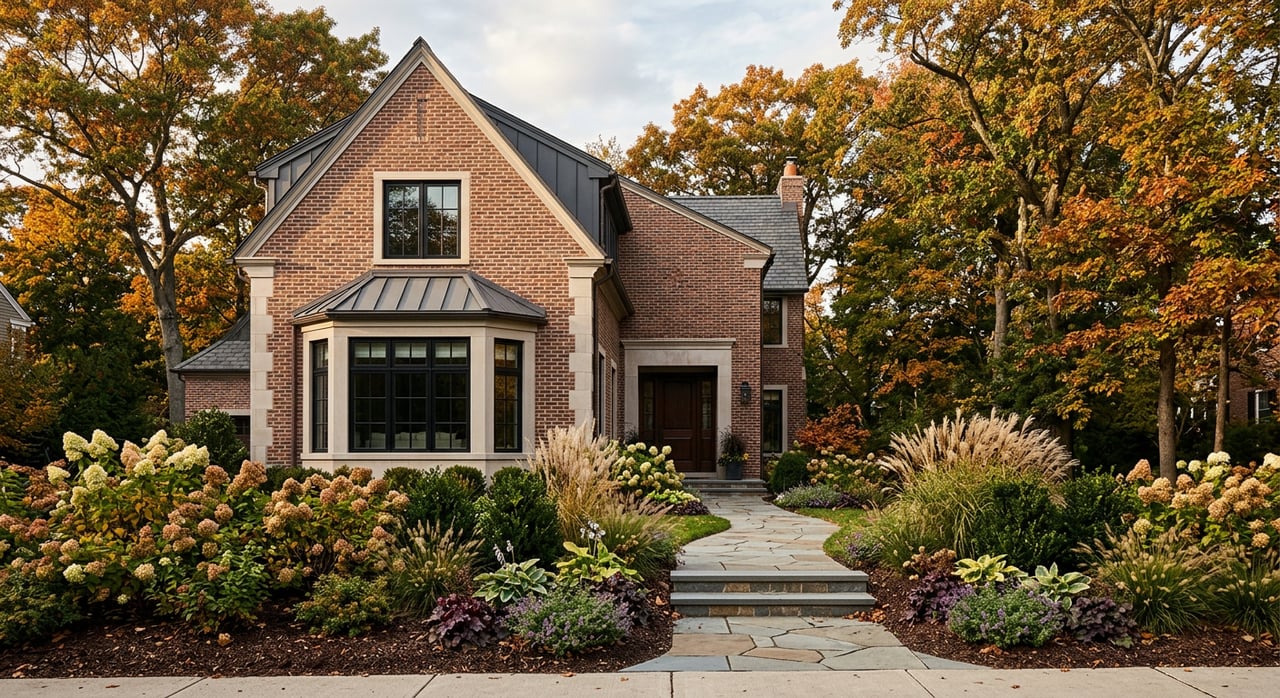
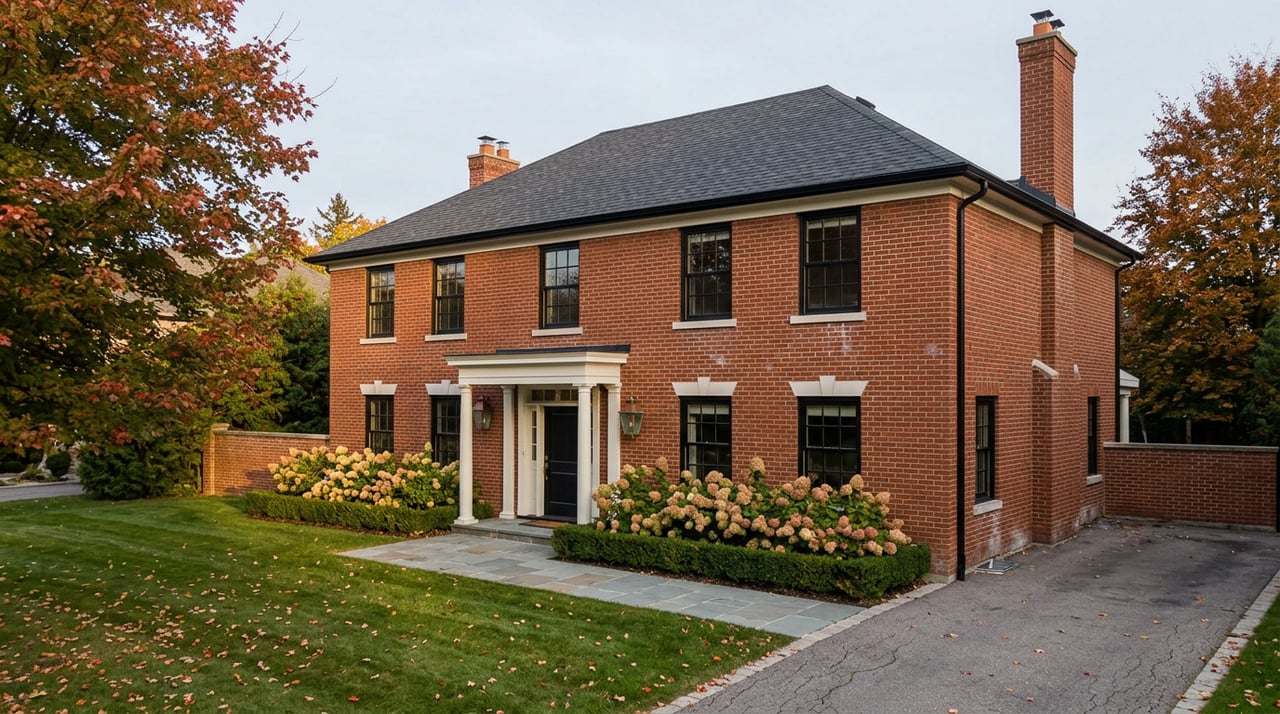
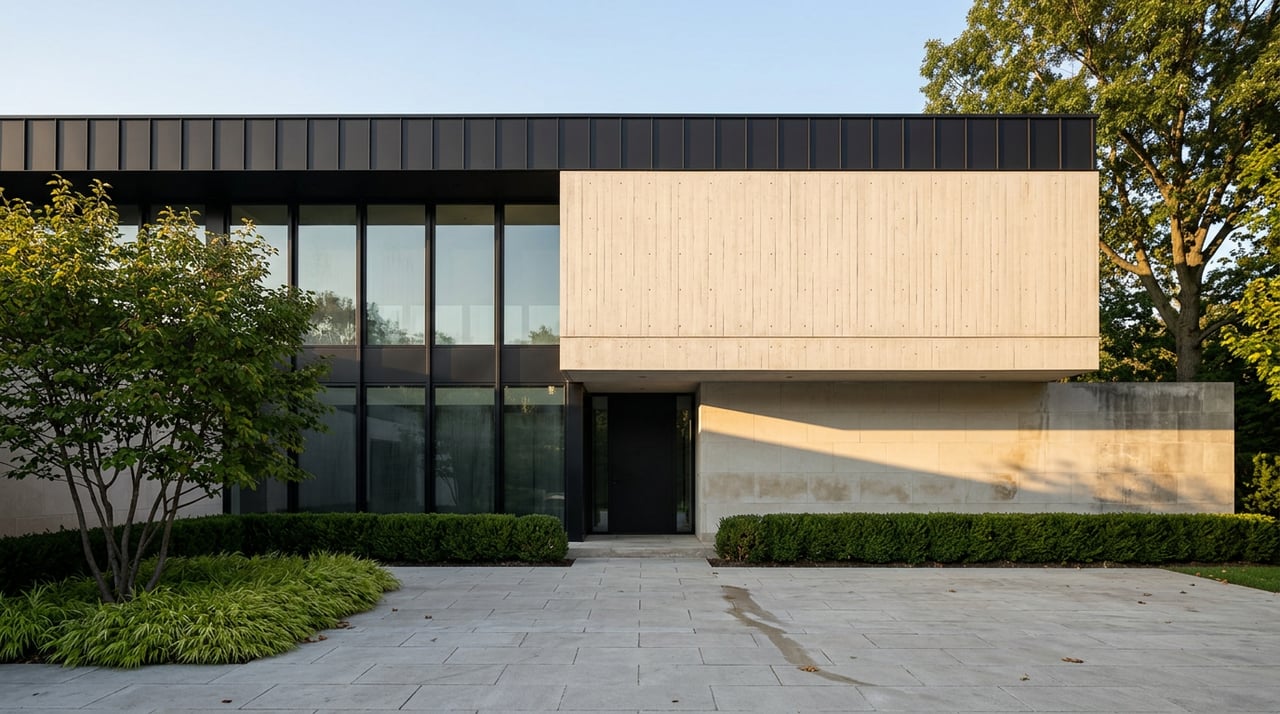
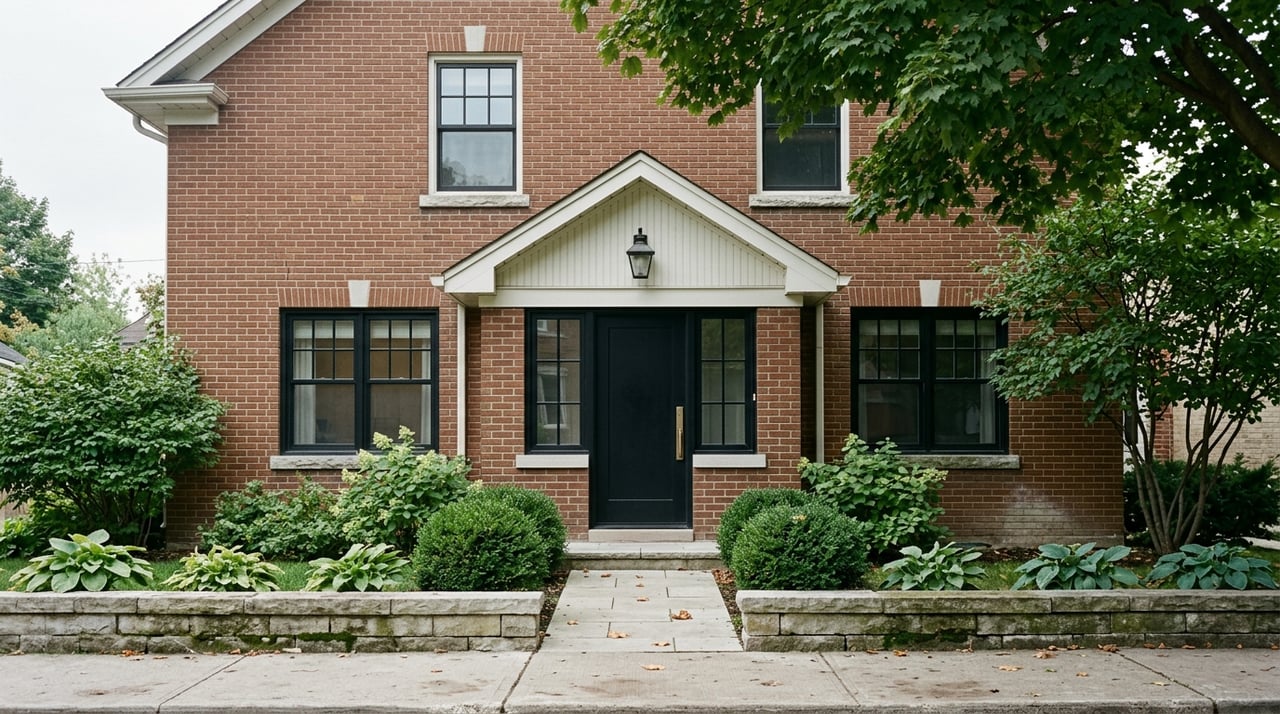
The streets showcase early 1900s Tudor, Georgian, and Edwardian influences alongside a growing number of custom infill and full contemporary rebuilds. Many homes retain classic façades with modern interiors and additions. Lot size varies by street. You will find mid-sized estate lots on premium blocks and irregular or extra-deep lots near the ravines, which adds privacy and unique outdoor space but can complicate future plans. These patterns help explain why larger modern homes remain scarce and hold value.
Lifestyle and access
One of Moore Park’s biggest draws is the balance of nature and convenience. You have direct access to ravine trails and parks, and you are close to beloved midtown retail nodes like Summerhill, Yonge & St. Clair, plus the local strips along Mount Pleasant and Bayview for day-to-day needs. The area serves several public and private schools. For a neutral overview of the neighborhood context, consult the City’s Rosedale–Moore Park profile.
Rosedale vs Moore Park vs Summerhill
- Rosedale: Toronto’s most established estate district with many heritage properties and consistent ultra-premium sales. Heritage conservation districts are common here, and that heritage fabric often supports top-end pricing. Explore examples in the Architectural Conservancy Ontario inventory.
- Moore Park: shares ravine setting and canopy with Rosedale but reads more residential and understated. Many buyers come for quiet streets, large detached homes, and quick reach to midtown retail. Mansion Global summed it up as “quiet luxury,” a helpful shorthand for the feel. See their neighborhood overview on Mansion Global.
- Summerhill: a village-like retail and transit node with premium values near the market and subway. Product skews to more condos and smaller-lot homes than the deeper detached stock you find in Moore Park or central Rosedale.
Framing them as a spectrum can help you focus: Rosedale for historic estates, Moore Park for ravine-framed quiet luxury, Summerhill for village convenience and transit-first living. Verify current price gaps with TRREB Market Watch and recent sold comparables.
Buyer playbook: how to win here
Preparation checklist
- Get a mortgage pre-approval or line-of-credit verification. Typical bank pre-approvals last about 60 to 120 days, subject to lender policy. Being approved lets you act quickly when the right home appears.
- Line up verified deposit funds and engage a local real estate lawyer early. Deposits are held in trust and carry legal risk if you breach a firm deal. For general legal context, see this Toronto real estate law overview on deposits and failures to close and this deposit and trust account primer.
- Plan for quick title and survey checks once you have an accepted offer. Ask your lawyer to review title, easements, and any heritage or ravine considerations as soon as possible. The City’s ravine and ESA materials explain why this matters for rebuilds or larger additions.
- Work with an agent who knows Moore Park’s small streets and Committee of Adjustment patterns. Local experience helps you anticipate what kind of variance or addition the City may accept on a given block.
Offer structures and logic
- Clean offers with no conditions: These are strongest in hot micro-pockets. They reduce the seller’s risk but raise yours. If you fail to close, you could forfeit your deposit and face litigation. Read more about the legal exposure in this buyer default explainer. Use only when your financing is certain and inspections are complete or unnecessary.
- Conditional offers: Common protective conditions include financing, home inspection, and, for condos, a solicitor review of the status certificate. In today’s moderated market, conditions are often acceptable, but a short timeline and a strong deposit can help in a competitive situation. Typical condition periods run about 3 to 10 business days in Ontario. See a consumer-friendly overview on Square One’s buying guide.
- Deposit size: Many resale deals fall in the 3 to 5 percent range of the purchase price, though luxury deals sometimes use higher absolute deposits. Your deposit becomes part of your down payment when the deal completes. Learn more in Square One’s guide.
Timelines to expect
- Irrevocable window: Offers often remain open for 24 to 72 hours, subject to negotiation. In competitive settings, sellers may ask for shorter windows.
- Condition removal: Plan for 3 to 10 business days, with 7 days a common target for finance and inspection in Ontario. See Square One’s overview.
- Closing: Many resale closings land in the 30 to 90 day range from acceptance. Luxury sellers may prefer flexibility for their next move or for staging and logistics.
Tactics by property type
- Classic, move-in detached on a deep lot: Expect strong interest if the home shows well and is priced near recent comps. A clean offer or a very short conditional window paired with a meaningful deposit can be competitive. Balance speed with risk tolerance.
- Renovation or tear-down candidates: Conditions for finance and inspection are more common here, though standout lots may still draw quick, higher-deposit offers from builders. Before you commit, confirm zoning, tree protection, heritage context, and any ravine setbacks. Start with the City’s ESA and ravine policy background and get your lawyer and planner aligned.
- Condos and townhouses: These can be a more accessible entry into the area. Always include a status certificate review for condos and allow time for your solicitor to complete it. For overall condo pricing context, see WOWA’s neighborhood snapshot.
Street-level cautions buyers miss
- Heritage influence: Many nearby Rosedale streets are within heritage conservation districts. Even if your Moore Park home is not designated, adjacent heritage fabric can shape what the City will permit. See examples in the Architectural Conservancy Ontario inventory and plan for longer exterior-approval timelines.
- Ravine and ESA governance: Tree protection, grading, and construction near ravines often require additional permits and reviews, which can add months and consulting costs. Start early with the City’s ravine policy background and consult your team.
- Small sample sizes: A single $8 million or $18 million sale can distort monthly averages. Anchor your pricing in HPI benchmarks, medians, and a tight set of very recent, like-for-like comparables. For trend context, monitor TRREB’s Market Watch.
- Committee of Adjustment history: Some streets see frequent variances while others are more conservative. Have your agent review recent COA decisions for the specific block if you are planning an addition or rebuild.
How to position your search
- Define must-haves by lot first. In Moore Park, lot quality, privacy, and siting often drive long-term value more than interiors that you could later renovate.
- Be paperwork-ready. Pre-approval, funds verification, and your lawyer on standby allow you to shorten condition windows without taking unnecessary risks.
- Decide in advance when you will go clean and when you will protect with conditions. Align this with your lender and inspection plan so you can move with confidence.
- Track micro-trends weekly. Ask for a fresh list of competing actives, pendings, and very recent solds in the same product band and within a tight radius.
If you want a tailored read on Moore Park’s streets, lot patterns, and current off-market opportunities, connect with a local advisor who works this pocket every week. Thoughtful preparation is what wins here.
Ready to start your Moore Park search or position a listing to stand out? Reach out to Claire Speedie for a calm, strategic plan that fits your timeline and goals.
FAQs
What is the average price for Moore Park in 2026?
- Rosedale–Moore Park typically sits well above the GTA average, with detached homes often above $3 million, but use HPI and recent comps due to small samples; check TRREB Market Watch and WOWA’s snapshot for context.
How does Moore Park compare with Rosedale and Summerhill?
- Rosedale skews to historic estates and heritage streets, Moore Park offers quiet luxury with large detached homes and ravine access, and Summerhill emphasizes village retail and transit; see Mansion Global’s overview and ACO examples.
Are there condos or townhouses in the area?
- Yes, the broader Rosedale–Moore Park area includes condos and townhomes that offer lower entry prices than core detached homes; browse pricing context on WOWA.
What offer conditions are common in Toronto luxury purchases?
- Financing and home inspection are typical for freeholds, and status certificate review is standard for condos, usually within 3 to 10 business days; see Square One’s guide.
Are there special rules for building near ravines in Moore Park?
- Yes, City ravine and ESA policies affect tree removal, grading, and setbacks, which can add time and cost to projects; review the City’s ravine policy background early.
Do heritage rules affect Moore Park homes?
- Moore Park borders heritage-heavy Rosedale, and nearby heritage streetscapes can influence approvals even if a property is not designated; see ACO examples and consult a planner or lawyer.