Lytton Park vs Chaplin Estates: Which Fits Your Lifestyle?
Trying to choose between Lytton Park and Chaplin Estates? You’re not alone. Both midtown Toronto neighborhoods promise a polished, family-friendly lifestyle, yet they feel distinct once you walk the streets. If you want clarity on housing styles, day-to-day convenience, schools, transit, and what fits your priorities, you’re in the right place. Let’s dive in.
Both sit above the overall Toronto average for price, with Lytton Park typically at the upper end of midtown.
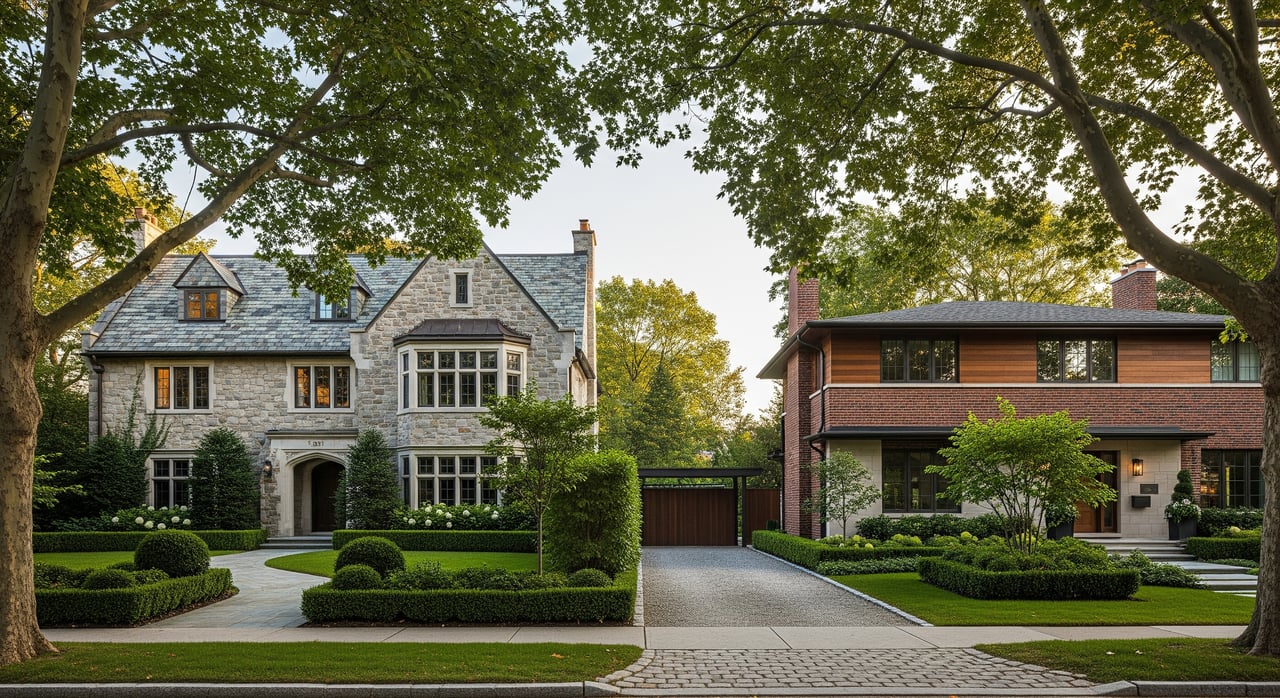
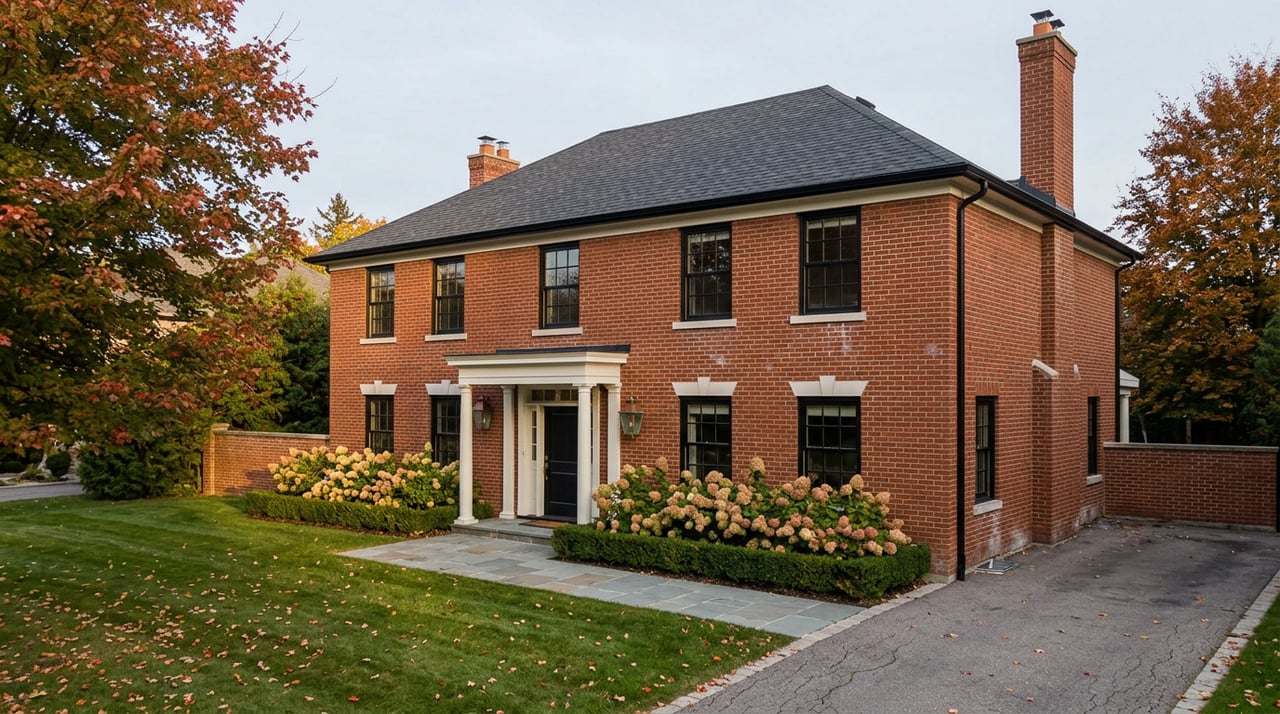
Expect a classic midtown look: mature trees, deep lots, and detached homes in Edwardian, Georgian, and Tudor styles. Many properties have seen thoughtful renovations or luxury rebuilds. The streets feel cohesive and residential, with limited multi-unit buildings away from major corridors.
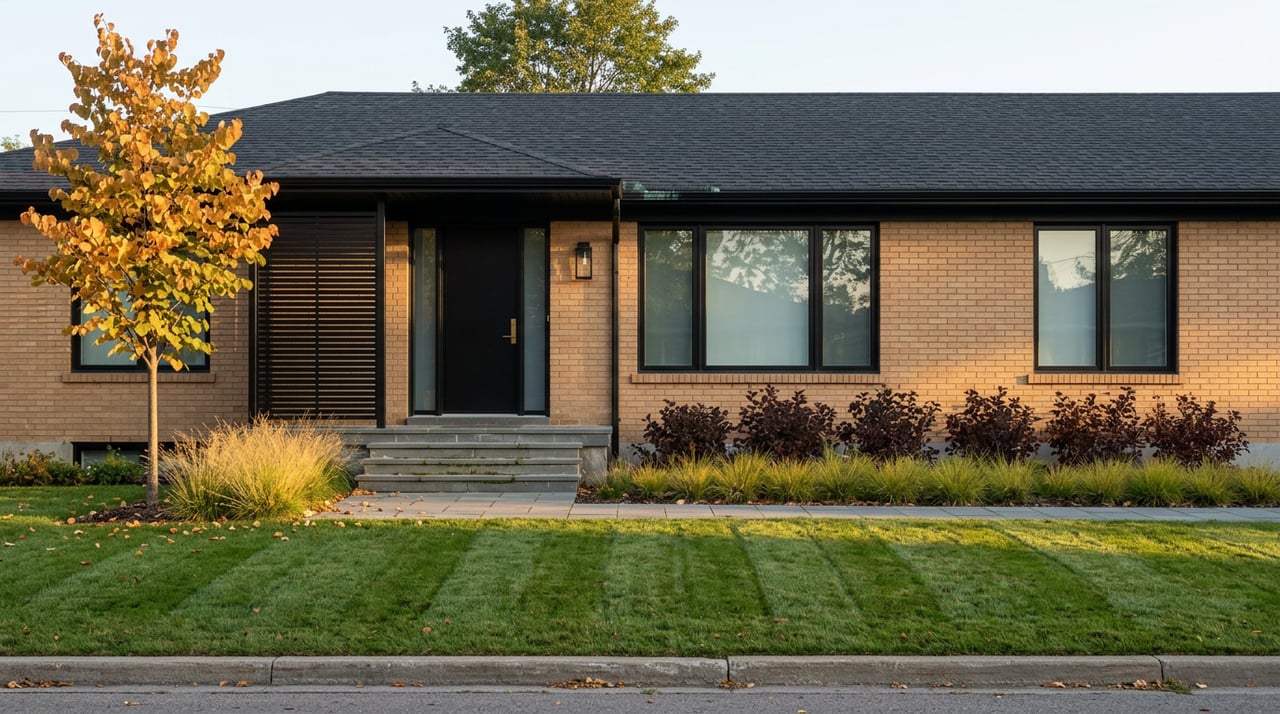
You’ll find a more varied mix. Detached and semi-detached houses sit alongside low-rise apartments, smaller condo buildings, and townhomes near the main streets. There are also mid-century homes and bungalows that appeal to buyers who want to renovate or enter the neighborhood at a more moderate price point.
Both neighborhoods are desirable, but they serve slightly different goals. Lytton Park commands a prestige premium, driven by lot size, period architecture, and a long-standing residential character. Turnover is often lower, which can support price stability and a premium feel.
Chaplin Estates generally offers more entry points for buyers, including semi-detached homes and smaller condo or rental options near the corridors. If you want midtown convenience without the top-tier price tag that comes with the largest lots, Chaplin Estates can be a strategic choice.
Many homes are within reach of the Yonge subway line via nearby stations, with exact walking times depending on the block. North-south travel is straightforward, and local bus routes feed into the subway and midtown retail nodes.
Chaplin Estates is oriented to the Eglinton corridor. The Eglinton Crosstown (Line 5) is a major factor for the area; as of mid-2024 it was nearing completion, and schedule updates continue to evolve. The corridor focus supports everyday convenience and enhanced east-west connectivity as transit service develops.
Both areas offer good access to midtown arteries like Yonge, Avenue Road, and Eglinton. Many Lytton Park homes have private driveways or garages, while Chaplin Estates includes a mix of parking setups. Driving times vary based on time of day and direction.
You’re close to midtown shopping and services in both neighborhoods. Lytton Park residents enjoy proximity to Yonge Street and boutique-style retail. Chaplin Estates leans into the Eglinton corridor for everyday services, cafes, and a steady rhythm of local amenities.
Expect mature trees, local parks, and community programming across both areas. Lytton Park is known for larger private lots and established streetscapes that encourage at-home outdoor living. Chaplin Estates provides convenient access to area parks along Eglinton and nearby greenways, with walkable routes that make it easy to stay active.
Both neighborhoods are family-friendly with long-term residents. Lytton Park feels serene and residential with lower density, while Chaplin Estates has a practical, connected energy thanks to its transit and corridor amenities. Community associations and local events add to the sense of belonging in each area.
Both neighborhoods fall within the Toronto District School Board (TDSB) and Toronto Catholic District School Board (TCDSB) service areas, with private school options in midtown. Proximity to a range of schools is a frequent draw, and catchments can vary block-by-block. If schools are central to your decision, confirm current catchment maps and program offerings as part of your search.
The area includes older housing stock and, in places, heritage considerations or design expectations that can influence additions or rebuilds. This supports the neighborhood’s cohesive character and can be a plus if you value architectural continuity.
With the Eglinton corridor close by, Chaplin Estates may experience more redevelopment pressure along main streets over time, especially near transit. Expect a focus on low-rise or mid-rise forms near transit nodes, with established residential streets remaining a draw for single-family living.
Both neighborhoods attract steady interest. Your decision may come down to trade-offs between space, style, and corridor access. If you want the largest lots and a serene residential setting, Lytton Park shines. If you want midtown access with varied housing and evolving transit, Chaplin Estates is compelling.
Ready to compare real listings, off-market opportunities, and tailored comps for your short list? Connect with Claire Speedie for white-glove guidance and a calm, strategic plan for your next chapter.

Claire has a keen interest in investment properties and looks forward to continuing to help her clients build their real estate investment portfolios.