Rosedale Heritage Homes Or New Builds? How To Decide
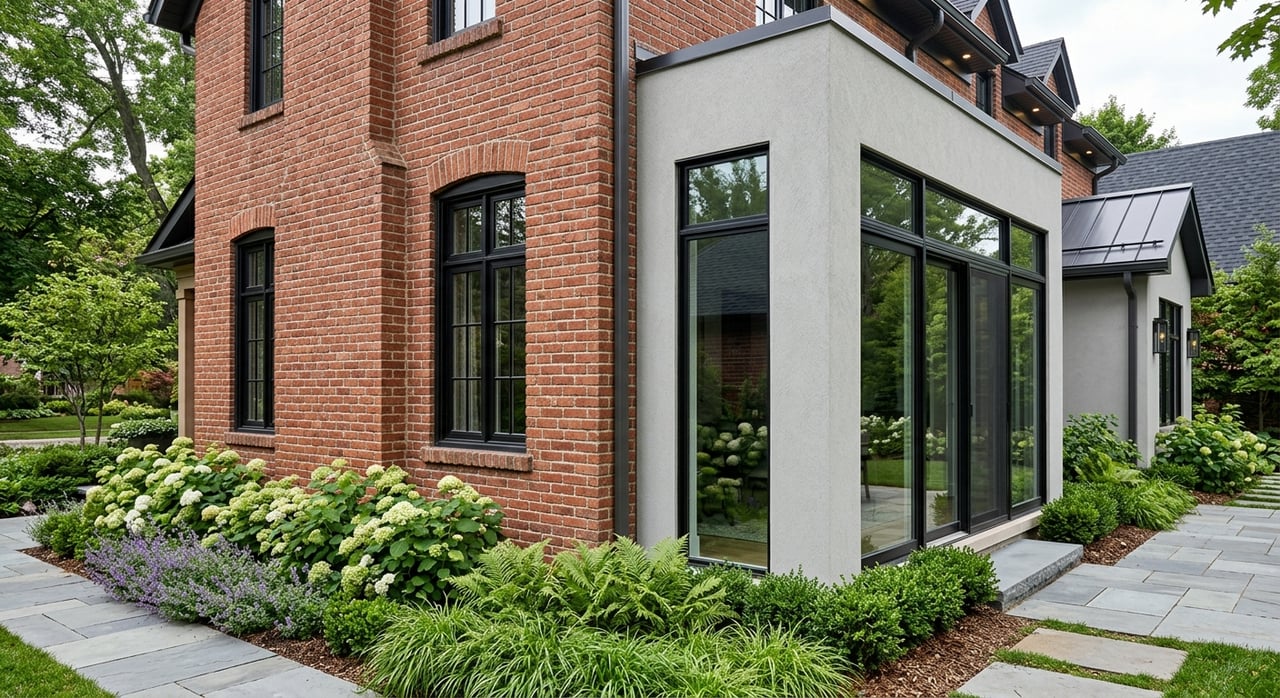
Trying to choose between a heritage home and a newer build in Rosedale can feel like comparing two very different versions of luxury living. On one side, you have architectural character, mature streets, and homes with real presence. On the other, you have newer systems, stronger energy performance, and a more predictable ownership experience. If you are weighing both, this guide will help you think through the trade-offs clearly and confidently in the context of Rosedale. Let’s dive in.
Rosedale is not just another Toronto neighbourhood with a mix of old and new homes. The City of Toronto describes it as an early picturesque suburb with curving streets, mature tree canopy, park-like lots, and architectural styles that largely date from the 1880s to the 1930s.
Both North and South Rosedale are Heritage Conservation Districts under the Ontario Heritage Act. That matters because changes to properties in these districts are managed through district plans that aim to protect the area’s overall character while still allowing thoughtful evolution.
In simple terms, your decision is not really about “old versus new” in the abstract. In Rosedale, even new construction or infill is expected to fit harmoniously within the existing neighbourhood fabric.
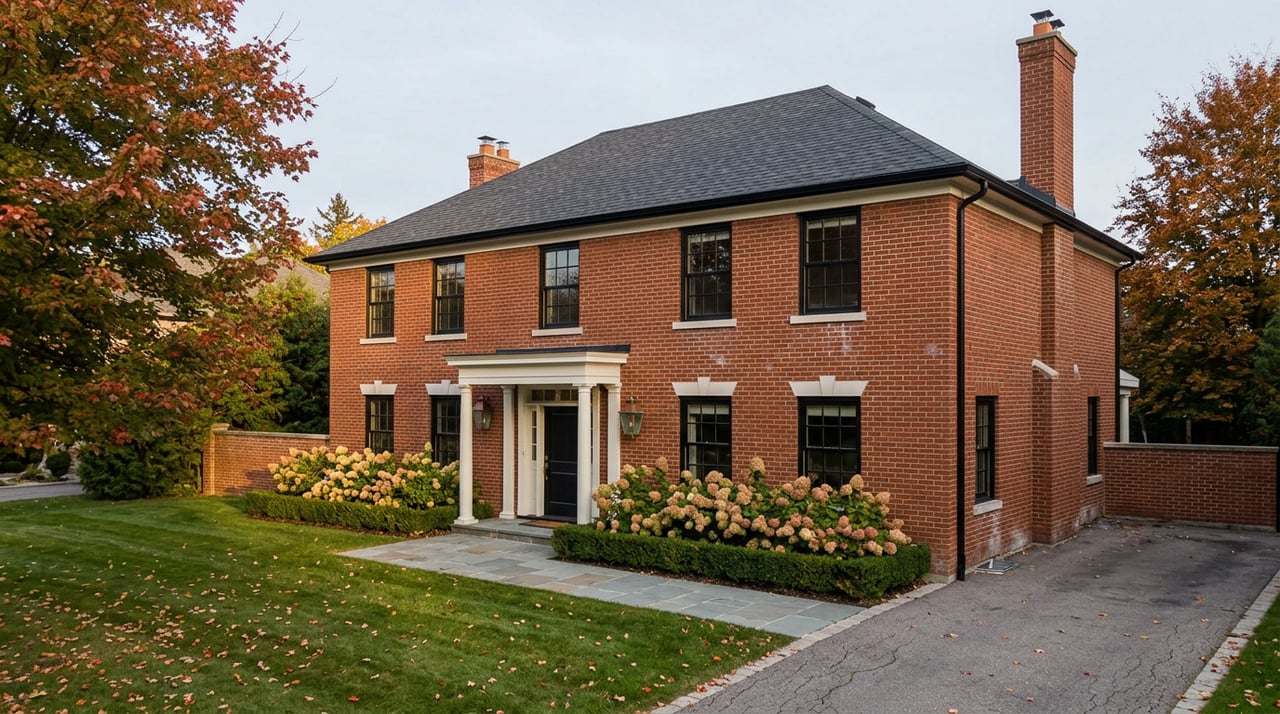
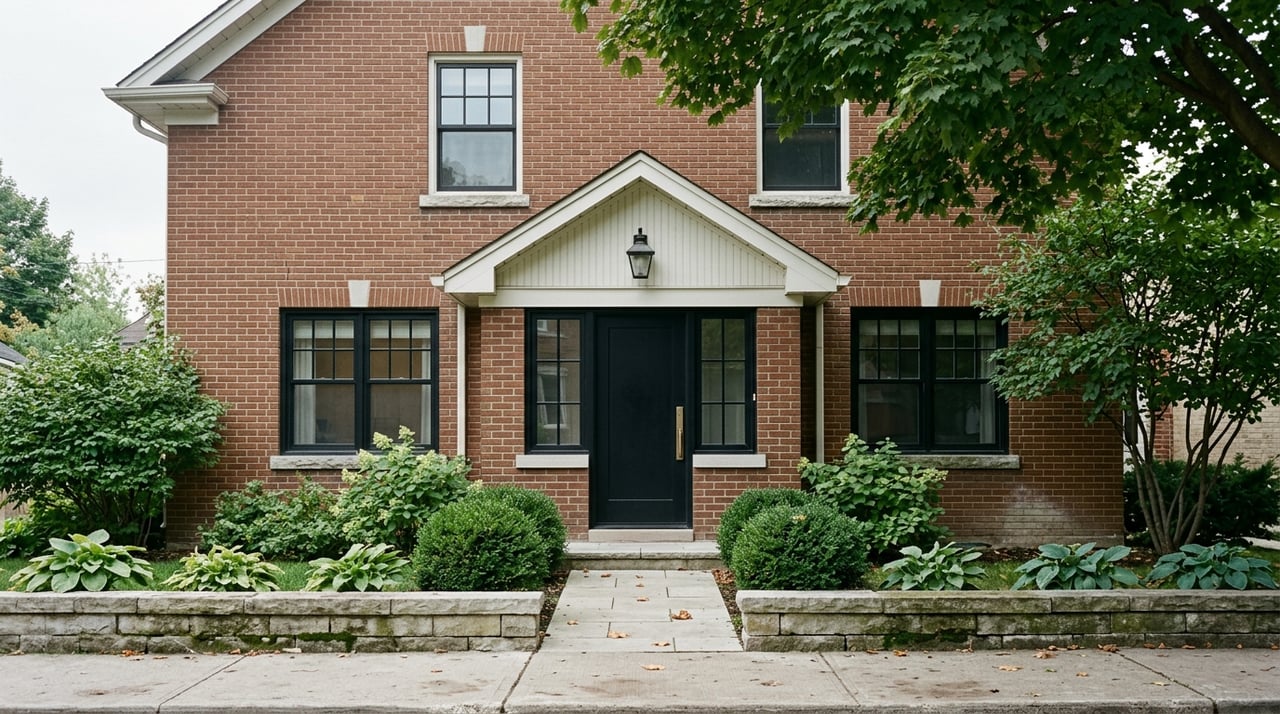
If you are drawn to charm, craftsmanship, and a strong sense of place, a heritage home may feel like the obvious choice. Rosedale’s older homes are part of what gives the neighbourhood its identity, and that can be hard to replicate in newer construction.
North Rosedale is noted by the City for its tree-lined streets, many homes from the 1920s and 1930s, and common centre-hall layouts. South Rosedale is described as more eclectic, with styles that include Georgian Revival and English Cottage homes set within a park-like streetscape.
For you as a buyer, that often translates into:
That lifestyle appeal is real, but so is the responsibility that comes with it.
Older homes often require more planning when it comes to comfort, efficiency, and maintenance. Natural Resources Canada notes that homes over 50 years old may have unusual construction details and materials, which can make upgrades less straightforward than they would be in a newer house.
That does not mean you should avoid an older home. It means you should go in with clear expectations.
Improvements like air sealing, insulation, and carefully planned window and door upgrades can help improve comfort and energy efficiency. At the same time, older homes may still involve trade-offs, more specialized work, and ongoing maintenance over time.
If you love heritage architecture, this can be a worthwhile exchange. You are often choosing character and context, knowing that the ownership experience may be more hands-on.
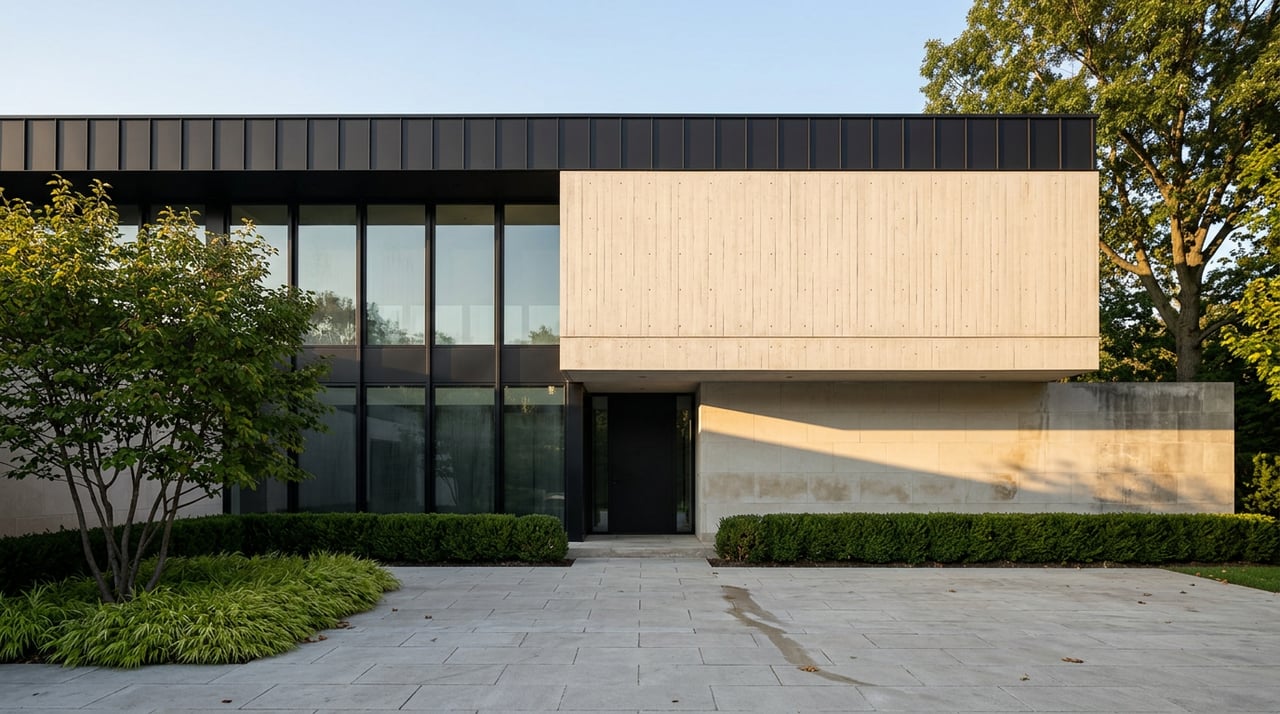
The strongest argument for a newer home in Rosedale is usually predictability. Newer systems, more modern construction standards, and a clearer warranty framework can offer peace of mind, especially if you want fewer near-term projects after moving in.
In Ontario, most new homes come with builder warranty coverage supported by Tarion. Tarion states that warranty coverage applies both before and after possession, which can give buyers more structure around deficiencies and repairs.
Energy performance is another major advantage. Natural Resources Canada says ENERGY STAR certified homes are about 20% more energy efficient than a typical home, and R-2000 homes are on average 50% more energy-efficient than typical new homes built to code.
If energy use and everyday comfort are high on your list, ask whether a newer property has an EnerGuide label. Natural Resources Canada notes that this label provides an official record of a home’s energy performance, which can be useful when comparing options.
A new build in Rosedale is not a blank slate. Because North and South Rosedale are Heritage Conservation Districts, new homes, additions, and exterior alterations are expected to fit harmoniously within the district’s character.
The City also makes an important distinction here. Heritage districts are not meant to freeze a neighbourhood in time. New construction and infill can happen, and non-contributing properties can sometimes be replaced, but the new work still needs to respect the existing context.
That means if you are considering a newer home in Rosedale, you are often buying something that balances modern features with neighbourhood compatibility. For many buyers, that middle ground is part of the appeal.
If you are considering a heritage property, renovation planning should be part of your buying process from the start. In Toronto Heritage Conservation Districts, owners who want to alter or demolish a building or structure must submit drawings, specifications, and details through Toronto Building, and Heritage Planning reviews the application as part of that process.
The City also notes that interior work is not regulated by the Heritage Conservation District plan. Exterior changes that are visible from the public realm are the main focus of heritage review.
This distinction matters because it helps you assess what kind of updates may be simpler and what may require more time and coordination. If your wish list includes major exterior changes, that should be part of your due diligence before you buy.
Whether you buy old or new, professional due diligence matters. Ontario advises that getting a home inspection can be a good idea whether you are buying or selling a home.
For an older home, the inspection can help you understand the condition of key systems and identify areas where heritage-sensitive upgrades may be needed. For a newer home, the focus may be more on workmanship, deficiencies, and understanding exactly what is complete before possession.
Tarion says the builder must conduct a pre-delivery inspection before possession of a new home. If you are buying new, use that walkthrough carefully and document issues instead of assuming the warranty alone will sort everything out later.
The best choice usually comes down to the kind of ownership experience you want. In Rosedale, both paths can be compelling, but they serve different priorities.
A heritage home may be the better fit if you are looking for:
This option tends to suit buyers who are comfortable with more hands-on maintenance and more thoughtful renovation planning.
A newer home may be the better fit if you prioritize:
This path often appeals to buyers who want a smoother day-to-day ownership experience and fewer unknowns in the short term.
There is also a third option worth considering: a recently built or extensively renovated home. This can offer some of the comfort and efficiency benefits of newer construction while still fitting naturally into Rosedale’s heritage context.
Just remember that in Rosedale, exterior work may still be subject to heritage review, even when a home feels newer overall. The details matter, so it helps to evaluate each property on its own merits.
Before you decide between a heritage home and a new build in Rosedale, ask yourself:
These questions can quickly bring clarity. Often, the right answer is less about which type of home is “better” and more about which trade-offs feel right for your next chapter.
If you are weighing properties in Rosedale and want a clear, strategic read on what fits your goals, working with someone who understands both the neighbourhood context and the practical side of the decision can make the process much easier. When you are ready to talk through your options, connect with Claire Speedie for tailored guidance on finding the right fit in Rosedale.

Claire has a keen interest in investment properties and looks forward to continuing to help her clients build their real estate investment portfolios.