Preparing Your Rosedale Home For Discerning Global Buyers

Thinking about selling your Rosedale home to a global audience? In a neighbourhood where architecture, setting, and story matter as much as square footage, first impressions often happen long before a buyer books a showing. If you want your home to stand out with discerning out-of-area and international buyers, the key is thoughtful preparation, clear documentation, and a listing presentation that makes the property easy to understand from anywhere. Let’s dive in.
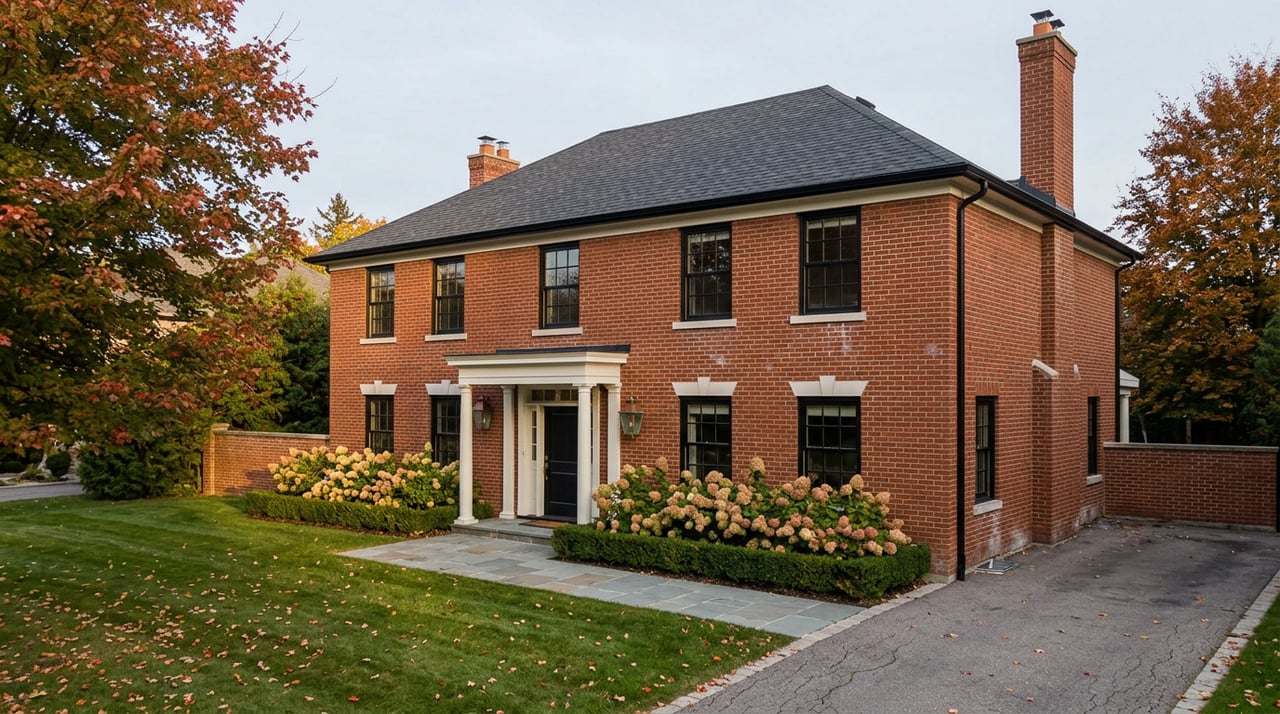
Rosedale offers something many buyers recognize right away: a distinct sense of place. The City of Toronto describes North and South Rosedale as an early picturesque suburb with architectural styles from the 1880s through the 1930s, mature tree canopy, and park-like lots close to downtown.
For a buyer comparing homes across cities or countries, that combination can be especially compelling. A Rosedale home often represents not just a property, but a classic Toronto lifestyle shaped by heritage architecture, established streetscapes, and central-city convenience.
The neighbourhood also has practical appeal that translates well in listing materials. Trail connections to the Don Valley system and Don Valley Brick Works Park, along with access to TTC service at Rosedale Station, help buyers quickly understand how the area supports daily life.
Many buyers begin their search online, and some make major decisions before ever stepping inside a home. That means your listing needs to work like a clear, polished pre-visit package that explains the home’s layout, condition, scale, and setting in just a few minutes.
For a premium Rosedale property, this is not just a marketing upgrade. It is a trust-building tool. The easier it is for a remote buyer and their representative to understand the home, the more seriously they can evaluate it.
A beautiful home can still underperform online if buyers cannot make sense of how it lives. Photos should help someone understand room relationships, ceiling height, natural light, and the connection between indoor and outdoor spaces.
In a heritage-rich neighbourhood like Rosedale, visual clarity matters even more. Buyers are often paying close attention to original details, thoughtful updates, and signs of careful stewardship.
Period millwork, staircases, windows, and architectural detailing are often part of the value story. Instead of hiding those details behind heavy styling or vague marketing language, your presentation should make them easy to see and appreciate.
That is especially important for global buyers who may not know the neighbourhood well yet. Strong visuals help them understand why a Rosedale home feels different from a newer property in another market.
If you want your home to read well to discerning buyers from near or far, have the core presentation pieces ready before listing.
These materials do more than make a listing look polished. They reduce uncertainty, answer early questions, and help buyers decide whether your home deserves immediate attention.
For premium buyers, confidence often comes from the paperwork as much as the presentation. Accurate, well-organized property information can make your home easier to evaluate and smoother to move forward on.
The Real Estate Council of Ontario advises sellers to ensure listing details are accurate and supported by documentation, especially when it comes to square footage, renovations, property taxes, lot dimensions, and inclusions or exclusions.
If you have renovated your home, be ready to show what was done and when. Invoices, receipts, permits, and other records can help support your listing details and reassure buyers that improvements were completed with care.
This matters even more when a buyer is reviewing the property from a distance. Clear records can answer questions quickly and reduce hesitation during due diligence.
The City of Toronto requires building permits for most construction, demolition, additions, and major renovations. The City also notes that open permits may complicate future real estate transactions or later applications.
For that reason, a pre-listing review is wise if your home has been updated over time. A Property Information Report can show active building permits, violations, work orders, and zoning designation, which can be especially helpful for renovated homes.
In Rosedale, heritage considerations may play a meaningful role in a sale. The neighbourhood includes a Heritage Conservation District, and some properties may also be designated.
If your home is designated, Toronto requires a heritage permit for changes to the property. If the home is within a Heritage Conservation District, certain work may be submitted through Toronto Building for Heritage Planning review.
Discerning buyers often want to know:
You do not need to overwhelm buyers with technical detail in the listing itself. You do want to be prepared with clear answers and supporting information when questions come up.
Property taxes and utilities may sound routine, but they are often part of a buyer’s decision-making process. The City of Toronto notes that sellers should be prepared to show current tax and utility status, and that buyers’ lawyers may request tax and utility certificates.
Having this information ready helps your sale feel orderly and transparent. It also signals that the home has been responsibly managed, which matters to premium buyers assessing value and risk.
The most effective Rosedale marketing is not overly dramatic. It is specific. Buyers respond to details they can picture in daily life.
That means focusing on the features that define the neighbourhood experience: heritage architecture, mature trees, ravines, trail access, and close connection to the city core. These are tangible qualities that travel well across borders because they are easy to imagine and hard to replicate.
A strong listing narrative can help buyers understand:
For remote buyers, these points help transform a beautiful home into a believable lifestyle choice.
Some prospective purchasers may be non-Canadian, and that can bring added questions early in the process. At a high level, sellers should expect buyers to ask about eligibility, timing, and financing.
The federal prohibition on the purchase of residential property by non-Canadians has been extended to January 1, 2027. Because eligibility and structure can vary by situation, it is best to keep these conversations high level and encourage buyers to confirm details with their legal and tax professionals.
You do not need to become the buyer’s advisor on cross-border issues. What helps most is being organized, responsive, and prepared to provide property-specific information quickly.
In many cases, the key questions are straightforward:
When those answers are easy to provide, your home becomes easier to trust.
If you are preparing your Rosedale home for a discerning global audience, this is a practical place to start.
This kind of preparation supports stronger marketing, better buyer confidence, and a smoother path from interest to offer.
In Rosedale, premium buyers are often evaluating more than finishes. They are looking at provenance, condition, setting, and how confidently a home has been presented.
When your listing combines polished visuals, accurate documentation, and a clear local story, it becomes much easier for a remote buyer to engage seriously. That is often what separates broad interest from meaningful action.
If you are considering a sale and want a tailored strategy for presenting your home to qualified local, relocation, and global buyers, Claire Speedie can help you prepare, position, and market your property with care.


Claire has a keen interest in investment properties and looks forward to continuing to help her clients build their real estate investment portfolios.