Relocating To Moore Park: A Guide For Out‑Of‑Town Buyers
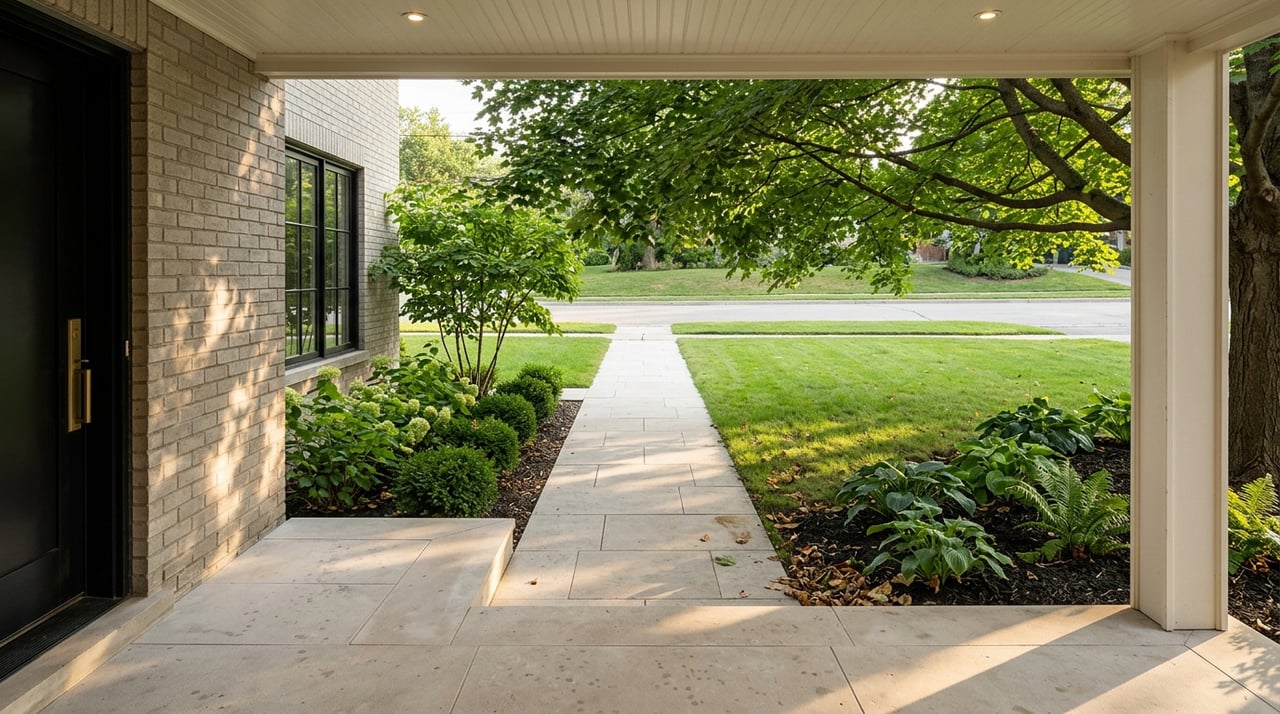
Thinking about moving to Toronto and wondering where you can find a central location that still feels tucked away? Moore Park often stands out for out-of-town buyers who want access to the city without living in the middle of its busiest corridors. If you are considering a move here, this guide will help you understand how Moore Park feels, how people get around, what daily life looks like, and what trade-offs to expect before you buy. Let’s dive in.
Moore Park is a primarily residential neighbourhood in central Toronto, bounded by Mount Pleasant Cemetery to the north, railway tracks to the south, Moore Park Ravine to the east, and the Vale of Avoca Ravine to the west. Its setting gives it a distinct shape and feel compared with nearby areas built around major retail streets.
For many out-of-town buyers, the biggest surprise is how enclosed and residential it feels despite being close to downtown and midtown amenities. The ravine edges and historic built form create a calmer rhythm, so Moore Park often feels more like an enclave than a pass-through neighbourhood.
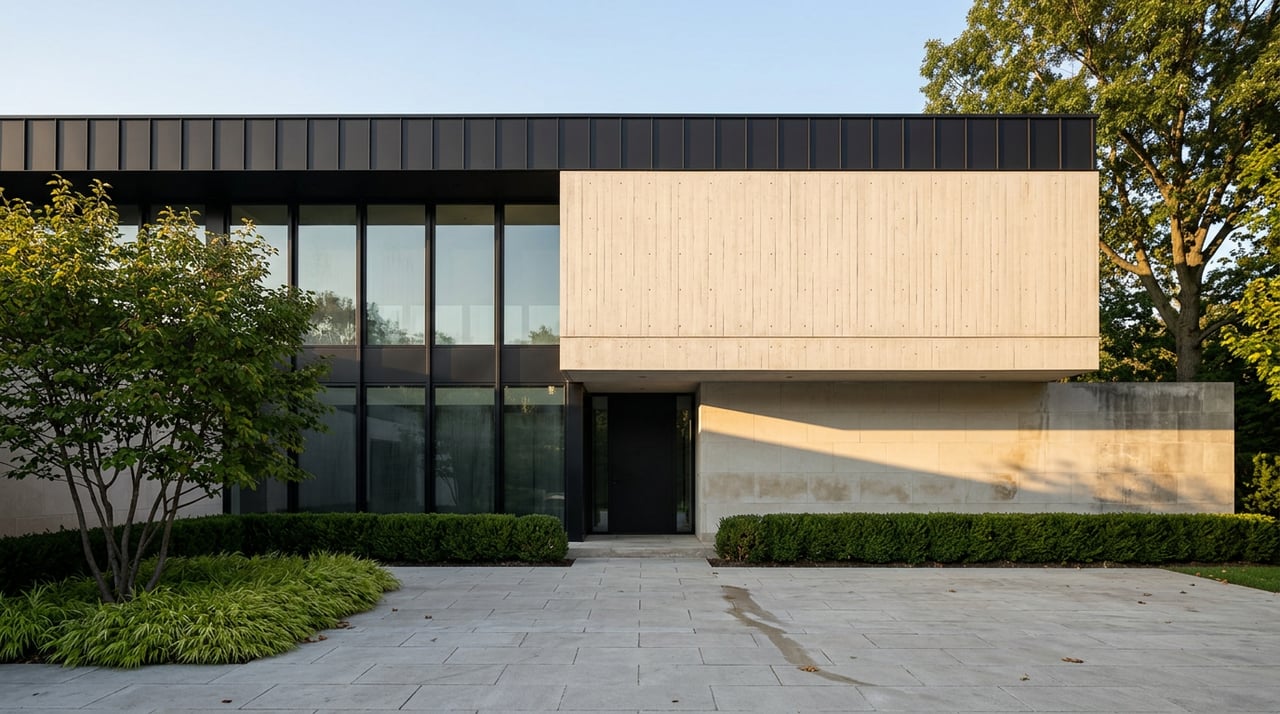
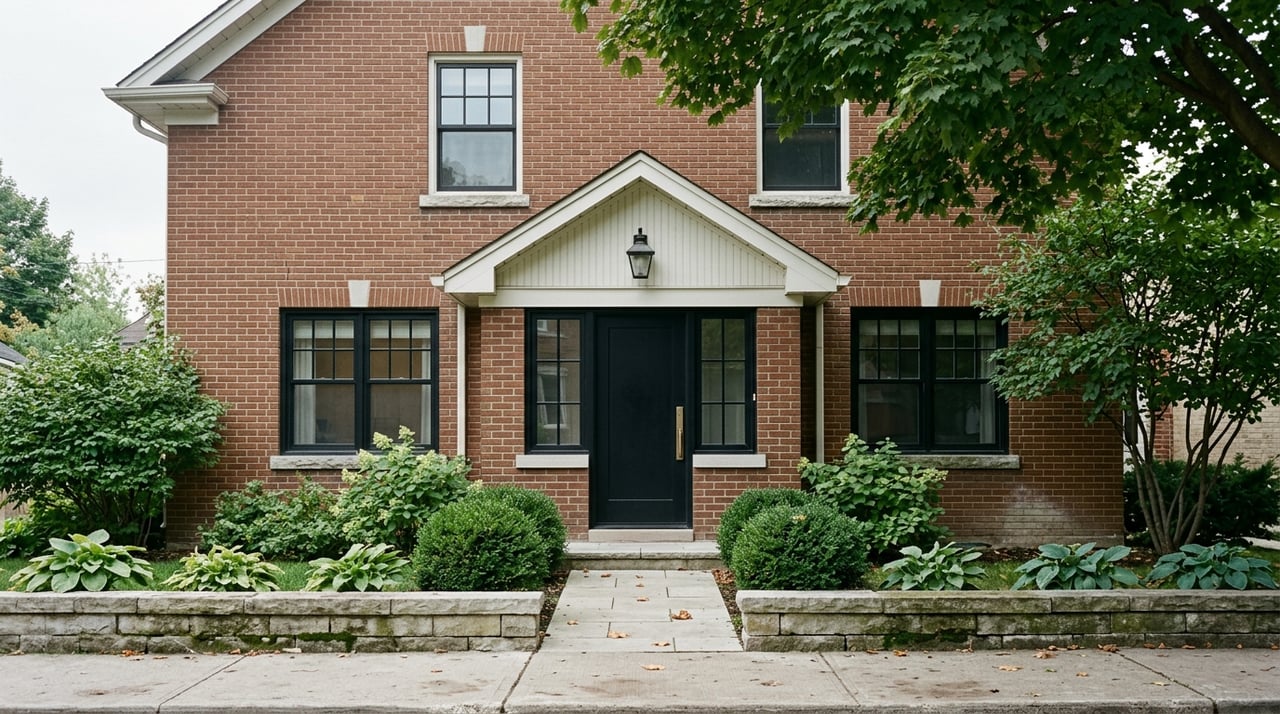
One of Moore Park’s defining features is its historic housing stock. City records describe a mix of detached, semi-detached, and multi-family dwellings, much of it developed between the 1900s and 1930s, with Dutch Colonial Revival, English Cottage, Georgian, and Tudor influences.
If you are relocating from another city, this means you should expect character-rich homes rather than a neighbourhood defined by one modern housing type. The area is known for its garden-suburb layout, and some homes sit on lots that back onto ravines, which adds privacy and a strong connection to green space.
That built form is a major part of Moore Park’s appeal. You are not just choosing a postal code. You are choosing a residential setting where architecture, mature landscaping, and lot placement shape the daily experience.
Moore Park behaves like a residential enclave first. That is one of the most important expectation-setting points for buyers moving from out of town.
You can be close to central Toronto amenities while still living in a neighbourhood that does not have a dense commercial core within its interior streets. In practical terms, that usually means your errands, dining, and some transit connections happen around the neighbourhood’s edges rather than right outside your front door.
For some buyers, that trade-off is exactly the point. You give up some immediate retail convenience in exchange for more trees, quieter streets, and a stronger sense of separation from the city’s busiest areas.
Transit access in Moore Park is best understood as walk-or-bus-to-subway rather than subway-at-the-door. Nearby Line 1 stations on Yonge Street include Rosedale, Summerhill, St Clair, and Davisville, so many trips start with a short walk, drive, or surface transit connection.
If you commute regularly, planning still matters. Toronto’s official visitor information notes that weekday rush-hour traffic is heaviest from 7 to 9 a.m. and 4 to 6 p.m., which is worth keeping in mind even in a central neighbourhood.
Mount Pleasant Road is also a key route in the area and has long been an important approach into Moore Park and nearby central neighbourhoods. For buyers who drive, that can be helpful context when you are mapping out weekday routines.
Each nearby station offers a slightly different advantage depending on how you move around the city.
For many relocating buyers, the takeaway is simple: Moore Park offers strong access, but not always one-step convenience. It works best when you are comfortable with a short connection to get onto the subway network.
Moore Park itself is not defined by a large internal shopping district. Instead, buyers usually rely on nearby commercial nodes for groceries, services, restaurants, and everyday stops.
The most significant nearby hub is Yonge and St Clair. City planning documents describe it as the commercial centre and focal point of the Yonge-St. Clair community, with retail, transit services, office buildings, shops, and restaurants.
Other nearby options add variety depending on your routine and preferences.
For an out-of-town buyer, this usually means your lifestyle can be very convenient, but convenience is often destination-based rather than embedded inside Moore Park’s residential streets.
If green space matters to you, Moore Park has a strong story to tell. Toronto’s Ravine Strategy identifies Moore Park and Yellow Creek Ravines as one of the city’s priority ravine investment areas, with a focus on safe and sustainable access, ecological protection, and trail connections.
That matters in real life because ravines are not just scenic backdrops. They shape how the neighbourhood feels and how people use outdoor space from season to season.
The Kay Gardner Beltline Trail is another major draw nearby. The City describes it as following an old railway line from Allen Road south of Elm Ridge Drive west to Mount Pleasant Cemetery, and as a way to experience hidden green spaces and old ravines across the city.
Moore Park also connects into Toronto’s broader ravine network, including links into the Don Valley system. If walking, running, or spending time near natural landscapes is part of how you choose a neighbourhood, this is one of Moore Park’s clearest strengths.
If you are considering a property near a protected ravine or mature trees, it is important to understand that there can be added rules around exterior work. The City states that trees and natural features in protected areas are covered by by-law and may require review before work is done.
That does not make ravine properties less appealing. It simply means buyers should go in with a clear understanding of what ownership and future planning may involve.
Out-of-town buyers often look at several central Toronto neighbourhoods at once, so comparison matters. Moore Park is best understood as the quieter, more nature-buffered choice among several nearby well-known areas.
Yonge-St. Clair functions as a more active commercial and transit hub. Rosedale Main Street offers a boutique retail corridor. Forest Hill Village has a village-style retail and services focus with a distinct streetscape character.
Moore Park offers a different value proposition. You are choosing a more private residential setting with strong ravine adjacency, while still staying close to those nearby commercial and transit nodes.
That difference is often what helps buyers decide. If you want constant activity outside your door, another area may be a better fit. If you want a central neighbourhood that feels removed from the city’s busiest streets, Moore Park can make a lot of sense.
When you are relocating, it helps to focus on fit before finishes. Moore Park tends to work well for buyers who value a residential setting, character homes, nearby green space, and access to Midtown and downtown without living directly on a main strip.
As you evaluate homes here, keep these questions in mind:
These questions can help you narrow not only whether Moore Park is right for you, but also which part of the neighbourhood best fits your routine.
Relocating to a neighbourhood like Moore Park is not only about finding a house. It is about understanding how the area lives from one block to the next, how your commute will really work, and what trade-offs will shape your daily routine.
That is especially true in central Toronto, where neighbourhoods that sit close together can offer very different experiences. A guided, local approach can save you time and help you focus on homes and streets that match the lifestyle you actually want.
If you are planning a move to Moore Park or comparing it with nearby Midtown neighbourhoods, Claire Speedie can help you navigate the options with clear advice, curated opportunities, and local insight tailored to your next chapter.
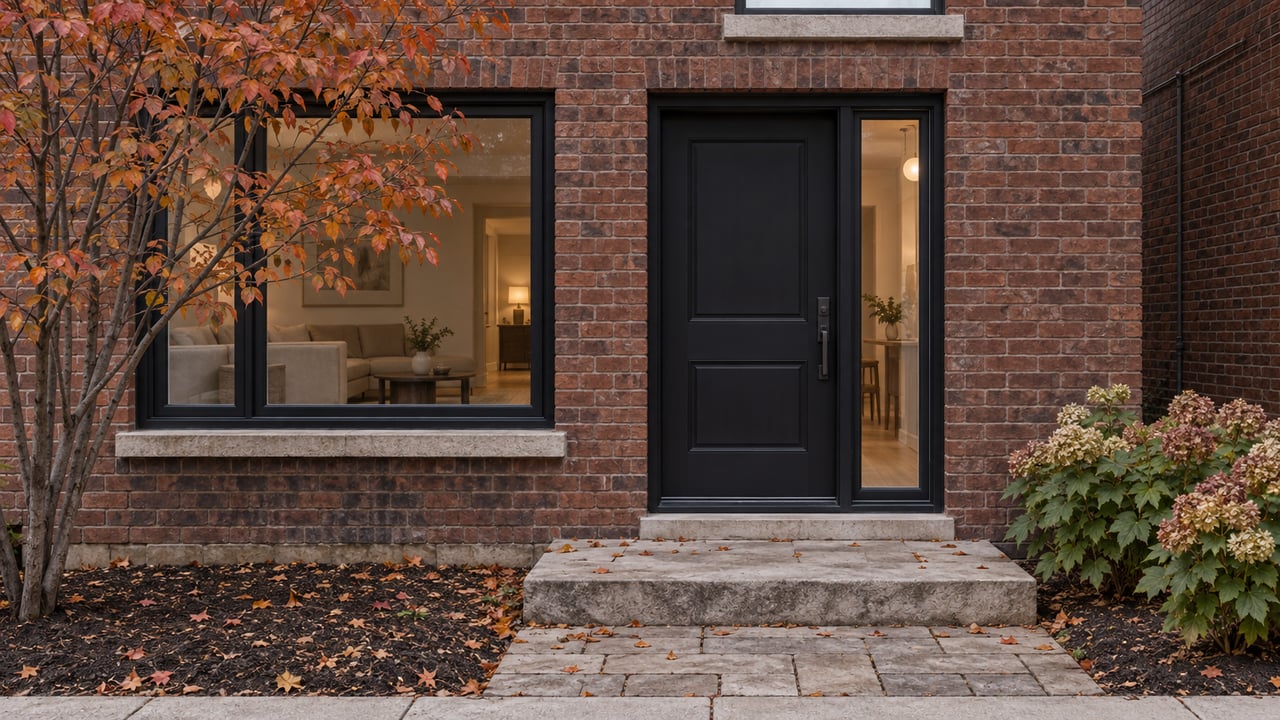
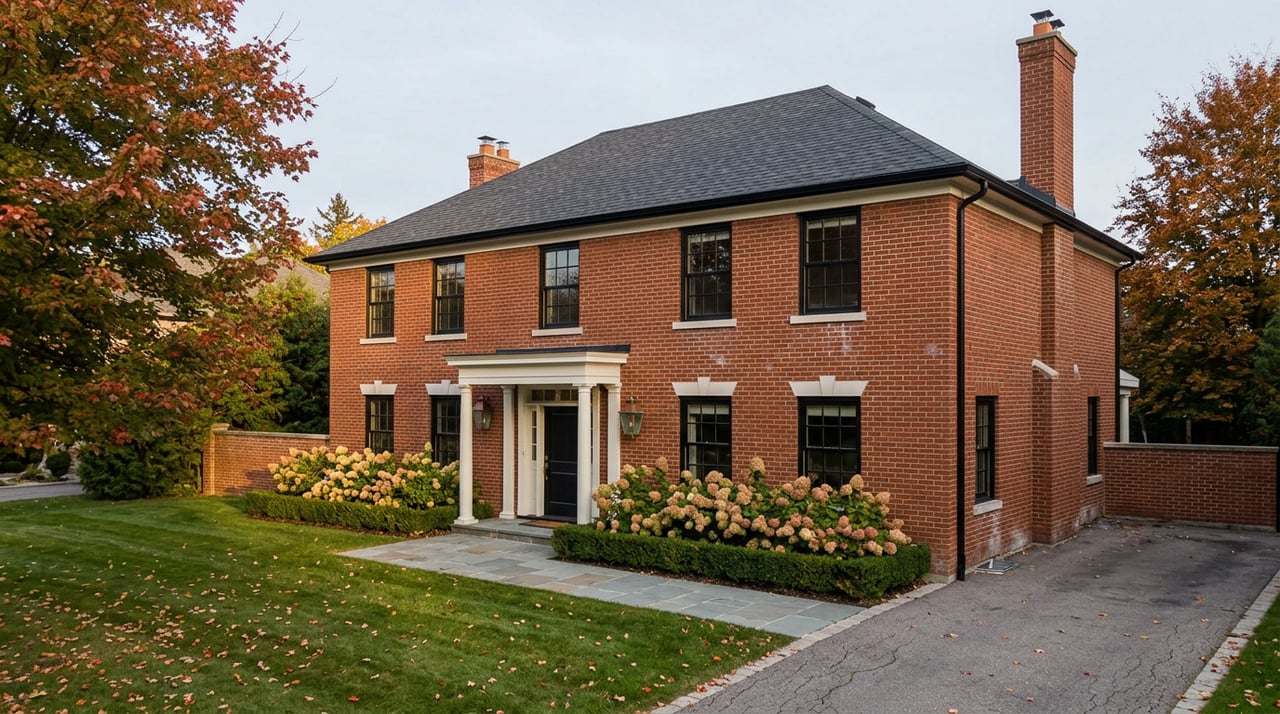
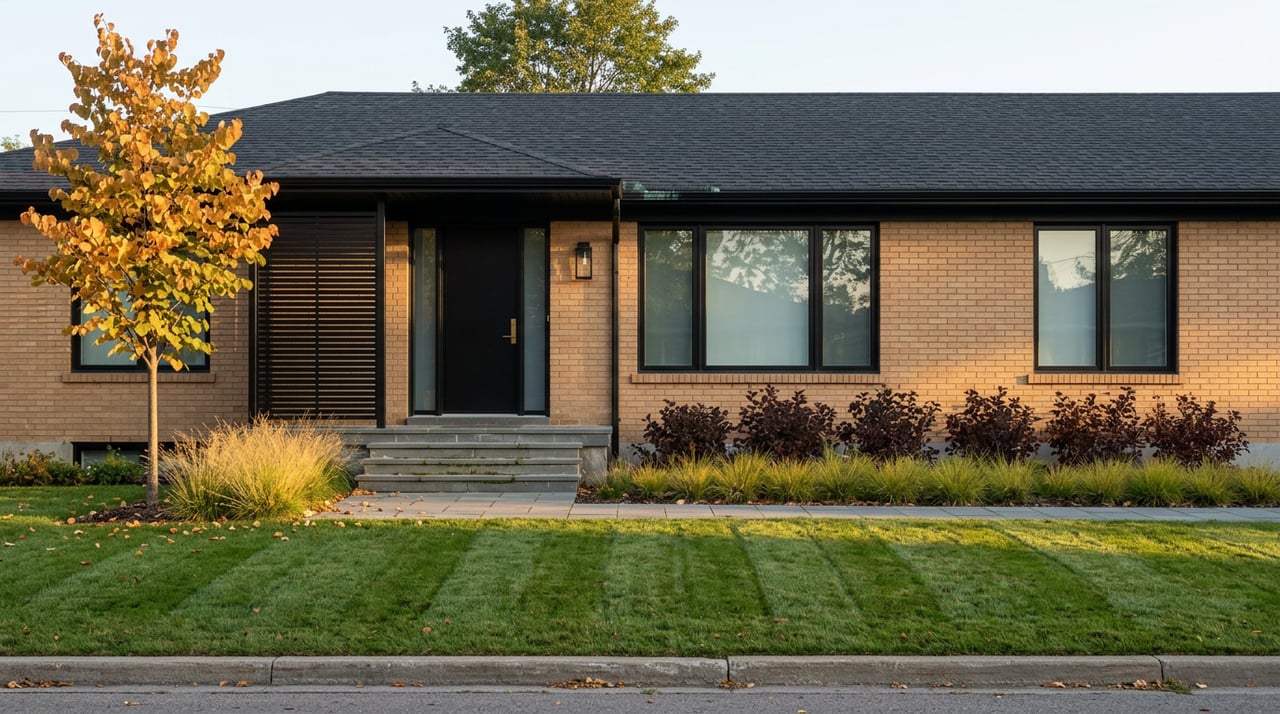

Claire has a keen interest in investment properties and looks forward to continuing to help her clients build their real estate investment portfolios.